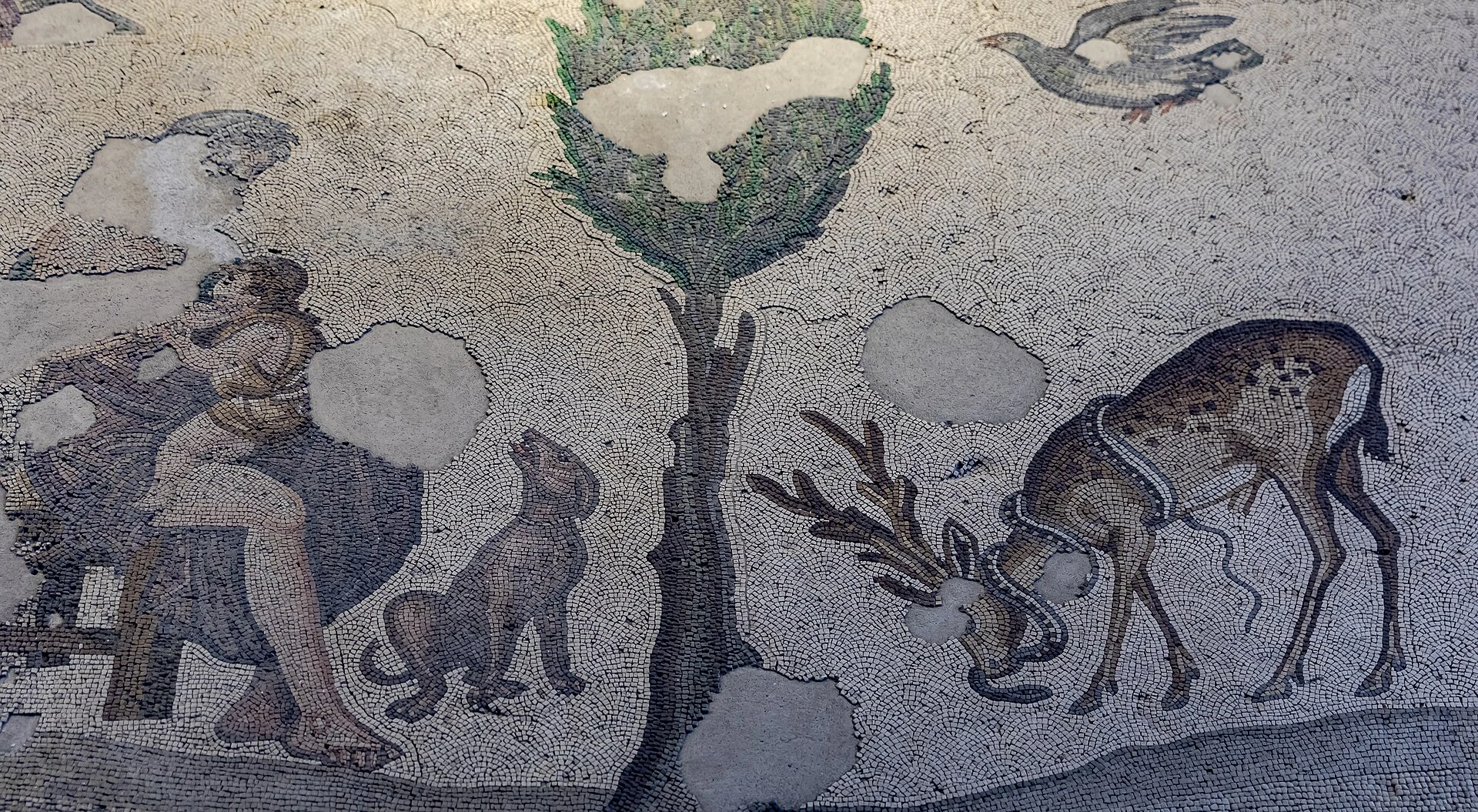
Byzantine food history covers more than a thousand years and territories whose boundaries changed . One imperial banquet cannot stand for everybody's daily meal. A wealthy Constantinopolitan household, a rural Anatolian family and a monastery had different resources. Climate, income, trade and religious observance all affected consumption. Surviving evidence offers glimpses of these settings, but it does not form a complete cookbook representing every population .
Grain, olive oil and wine formed important elements within this Mediterranean food world. Legumes, vegetables, dairy products and marine resources supplemented them. Isotope research on human remains tests the picture suggested by written sources across communities. This distinction matters: an ingredient mentioned in a text was not necessarily consumed equally often by everyone.
Vessels and utensils reveal another side of eating. An early Byzantine silver spoon at the Metropolitan Museum of Art combines skilled workmanship with inscriptions, opening a window onto refined material culture. It does not demonstrate that ordinary households owned comparable silver services. Food history becomes more revealing when the labour of growing, preparing and distributing ingredients accompanies the story of luxury.
Christian observance also influenced food choices, although fasting practices varied across settings and periods. Bread and wine carried meanings extending beyond nutrition through their liturgical roles. A modern historical menu should respect the distance between evidence and reconstruction. Tomatoes, potatoes and American peppers cannot appear as original Byzantine ingredients. Contemporary interpretations may be enjoyable, provided their imaginative choices are distinguished from what documents or archaeological remains establish.
At the heart of the table
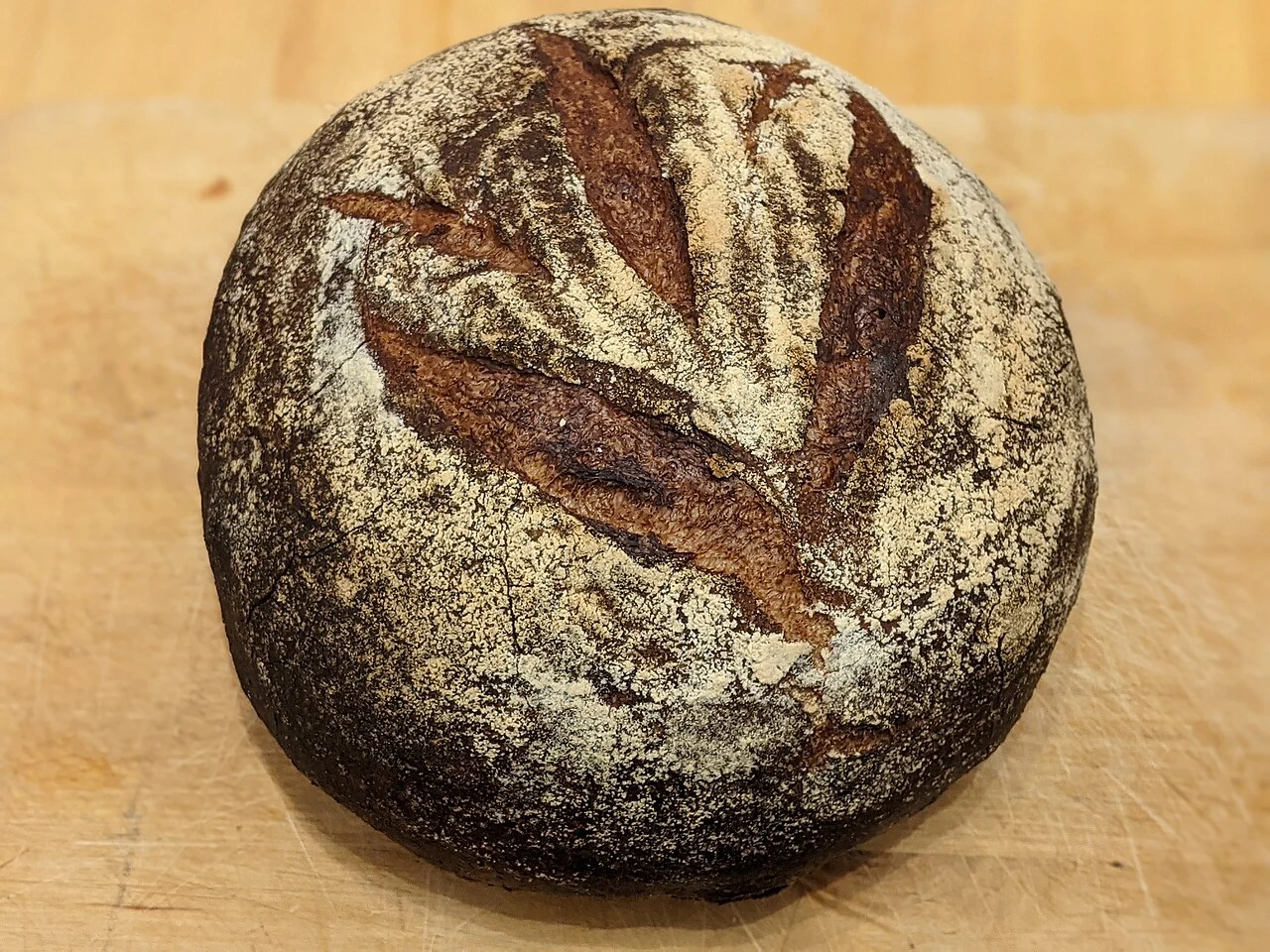
Bread
Bread made from grain was a fundamental food, but quality and form varied. Economic resources affected what people could obtain. Claims that a particular modern loaf survives unchanged from Byzantium require additional evidence, beyond the broad continuity of baking itself.
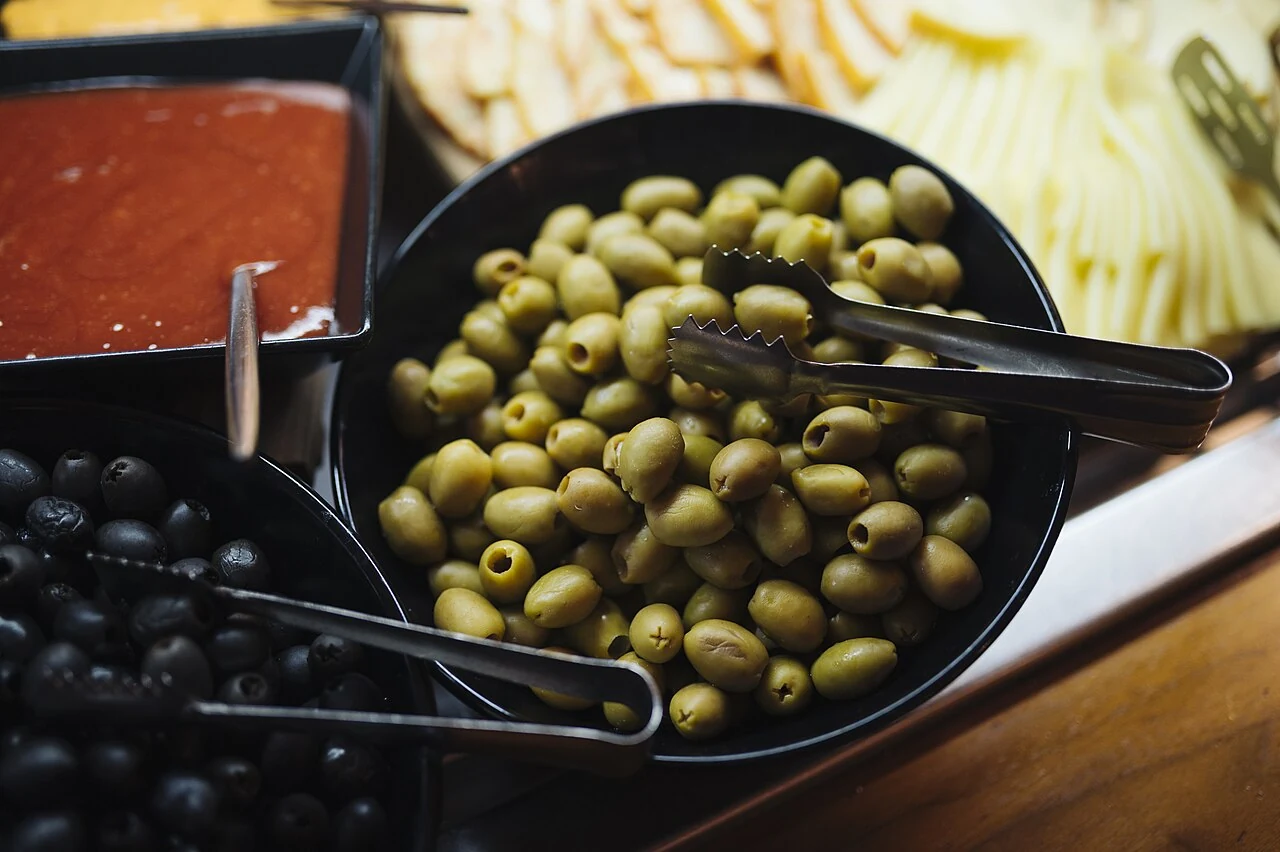
Olives and olive oil
Products from olive growing regions contributed to everyday consumption and trade. Oil shaped cooking and flavour, although availability and quality differed. It would be misleading to imagine the same amount or type being used throughout the empire.

Wine
Vine cultivation and wine connected agricultural production with religious life. Wines differed in character and value. Identifying a medieval wine with a specific modern grape variety is a separate research question requiring more than geographical proximity or similar names.
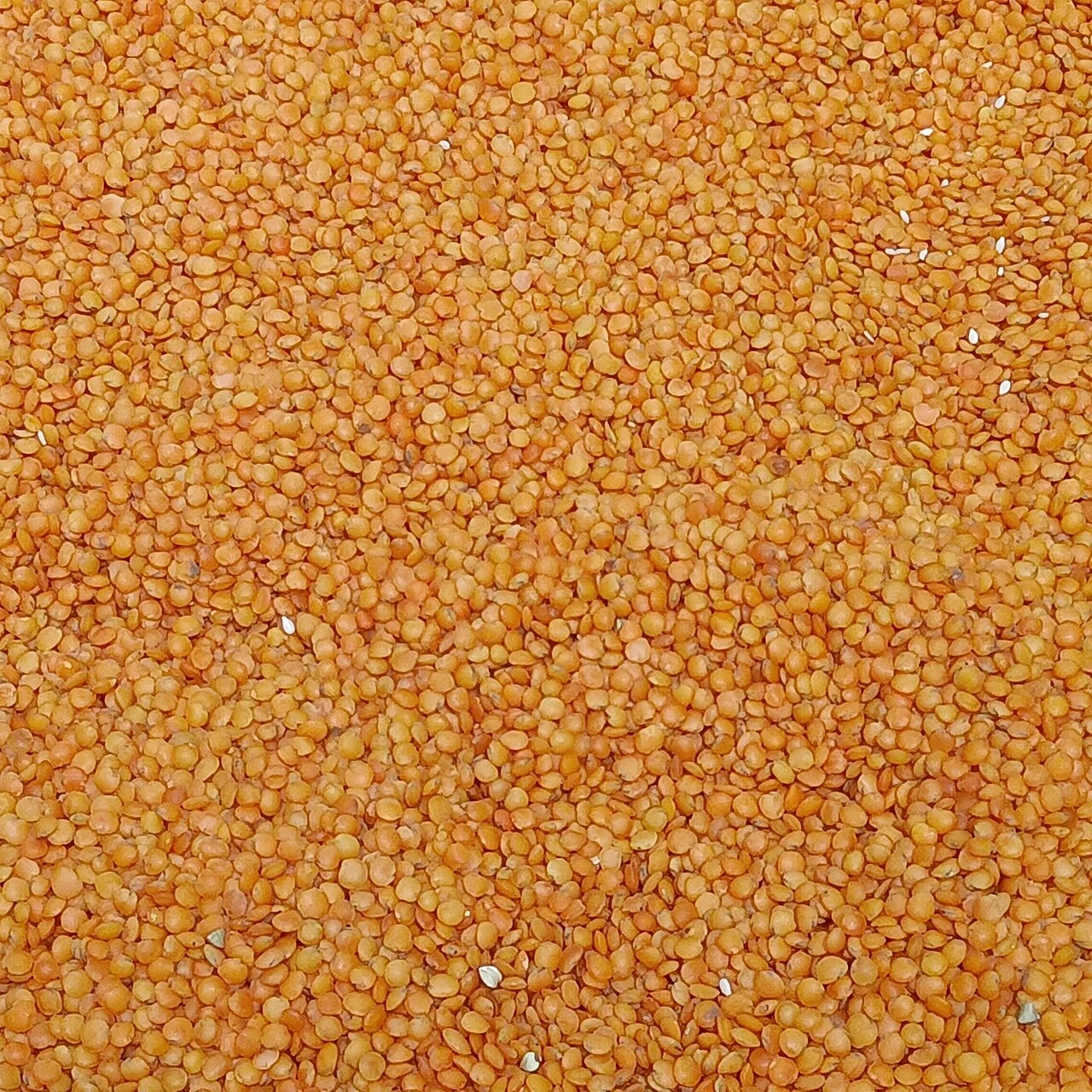
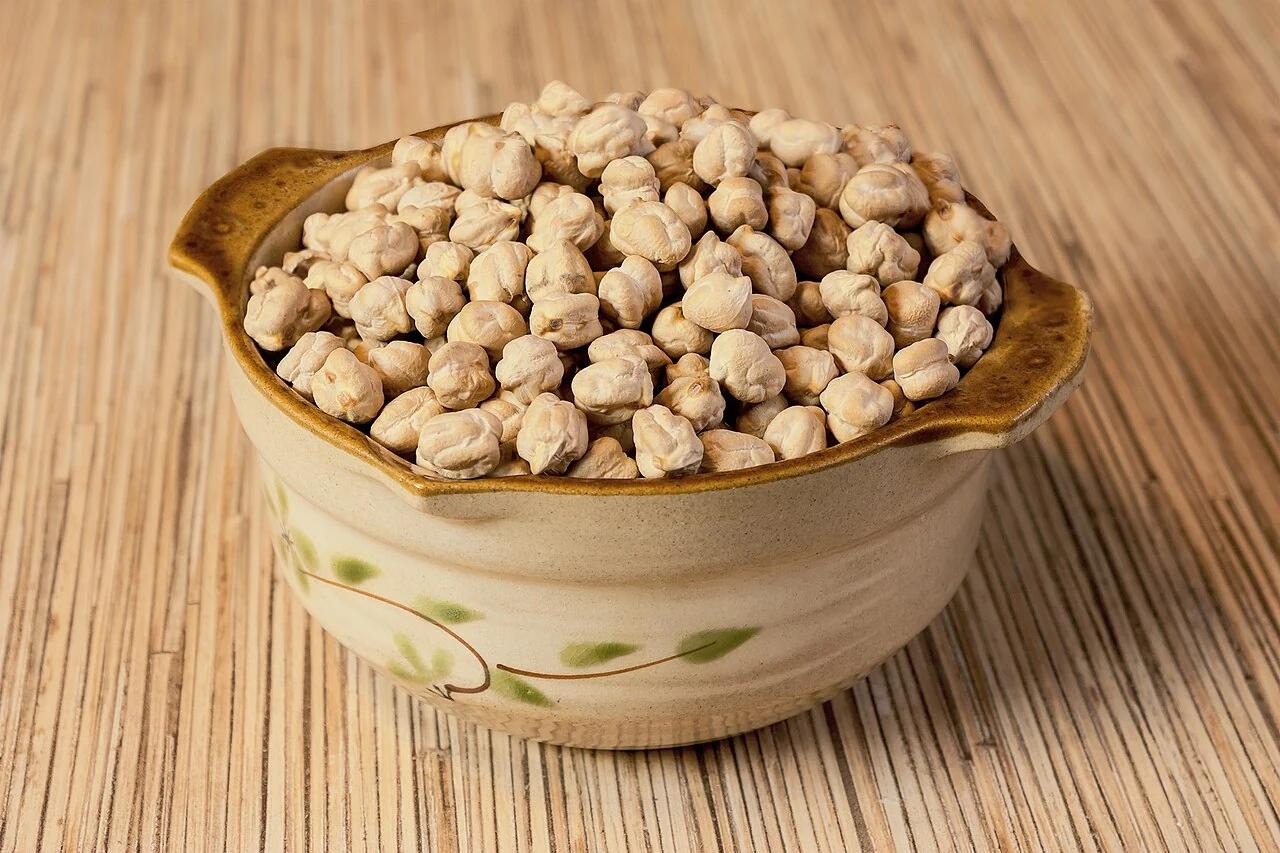
Lentils and chickpeas
Legumes complemented grain and vegetables, helping us understand the less spectacular side of daily food. Their documented presence does not establish that a modern recipe, particularly one containing tomatoes, was prepared in precisely the same way during Byzantine times.

Honey and nuts
Honey, fruit and nuts contributed sweet flavours. Their use cannot establish a Byzantine origin for every later syrup soaked dessert. Recognising historical ingredients and proving an uninterrupted genealogy for a named modern confection are different forms of inquiry.
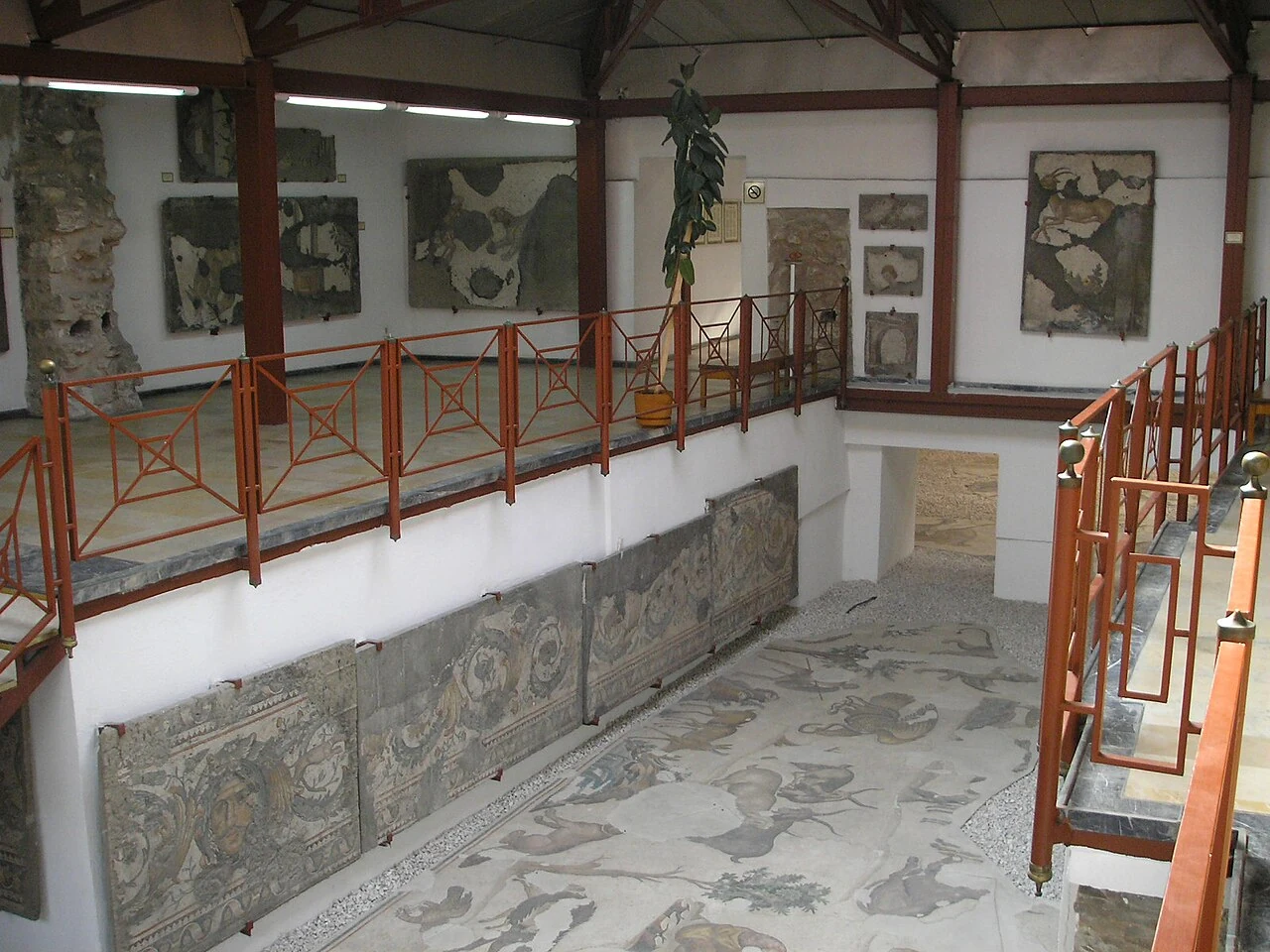
Among Cappadocia's rock churches, consider the fields, storage spaces and kitchens that sustained the people behind the paintings. A present day tasting built around bread, legumes and grapes can start a meaningful conversation with that past, particularly when described honestly as historical inspiration rather than an exact reconstruction.