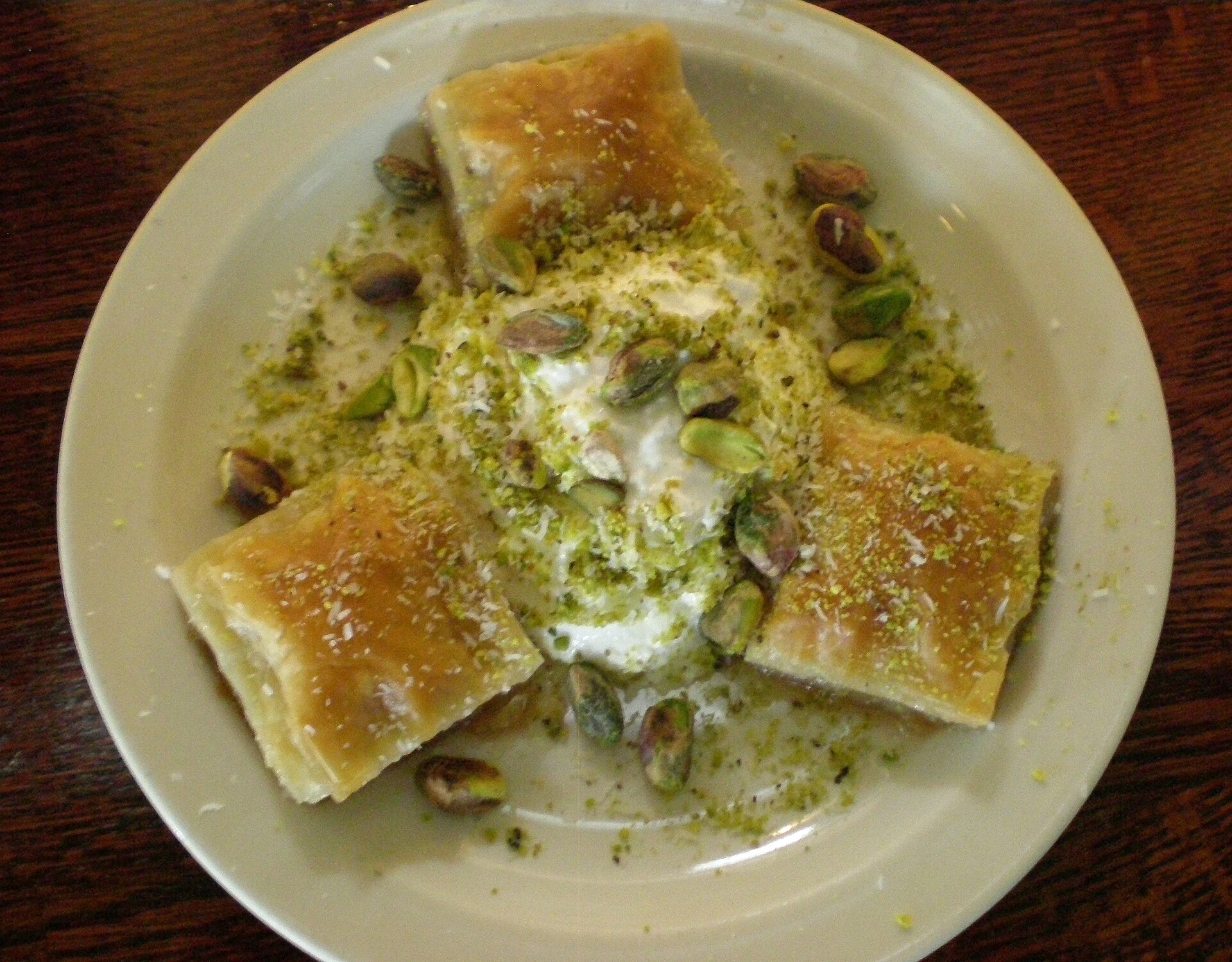
Turkish gastronomy cannot be explained through a single signature dish. A pot simmering beside the Black Sea, an oven in central Anatolia, an Aegean market stall and a fish supper in Istanbul reflect different environments. What connects these tables is a collection of habits: preserving seasonal abundance, offering food to visitors, sharing preparation and making ingredients travel beyond their harvest season.
Pastoral knowledge associated with Central Asia encountered the fields, orchards and settled communities of Anatolia. Seljuk towns, Ottoman markets and the kitchens of many populations added further layers. This history should not become a claim that every contemporary recipe descends unchanged from one ancient civilization. Food names migrate, techniques adapt and ingredients acquire new meanings when people move between regions.
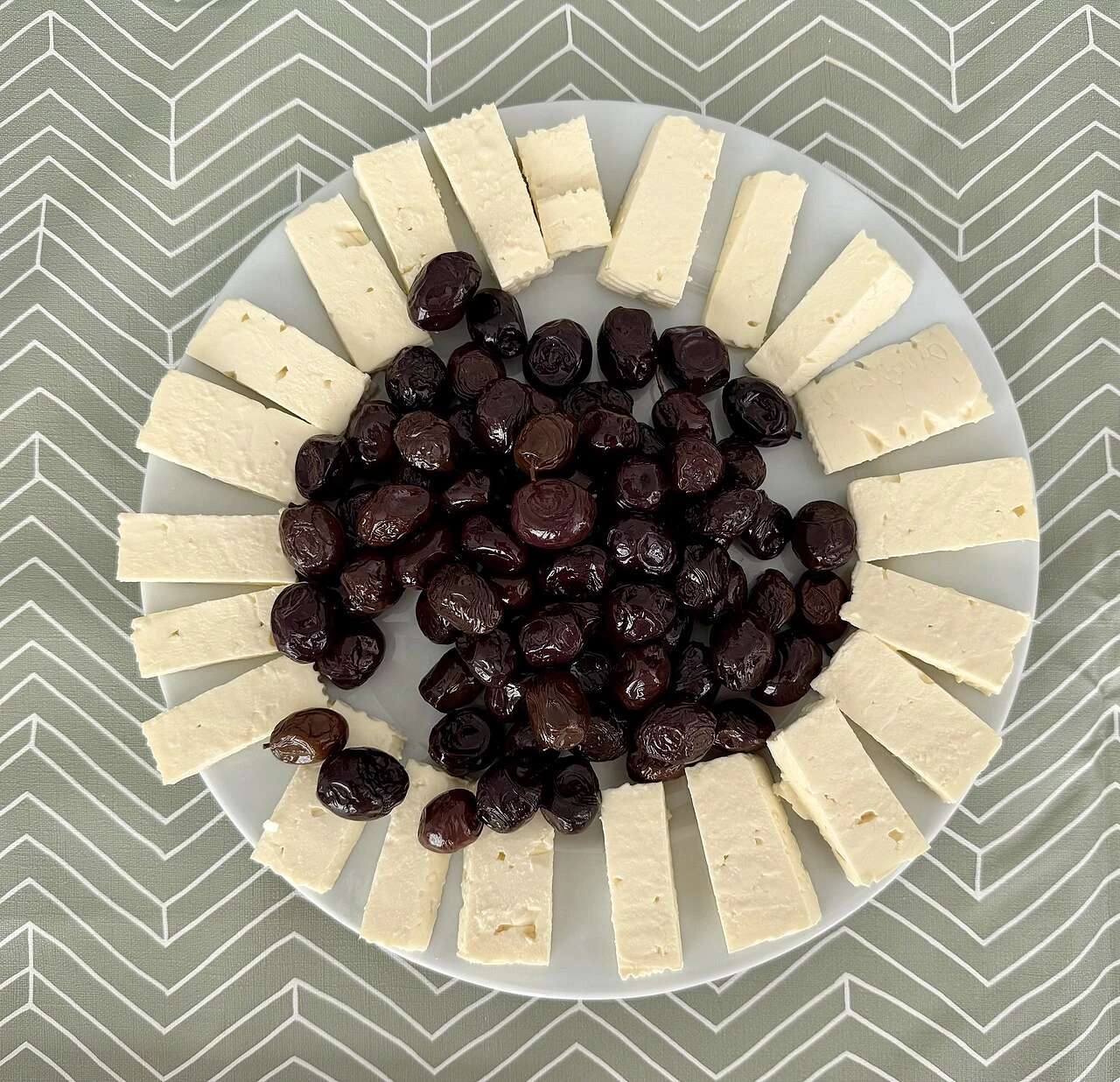
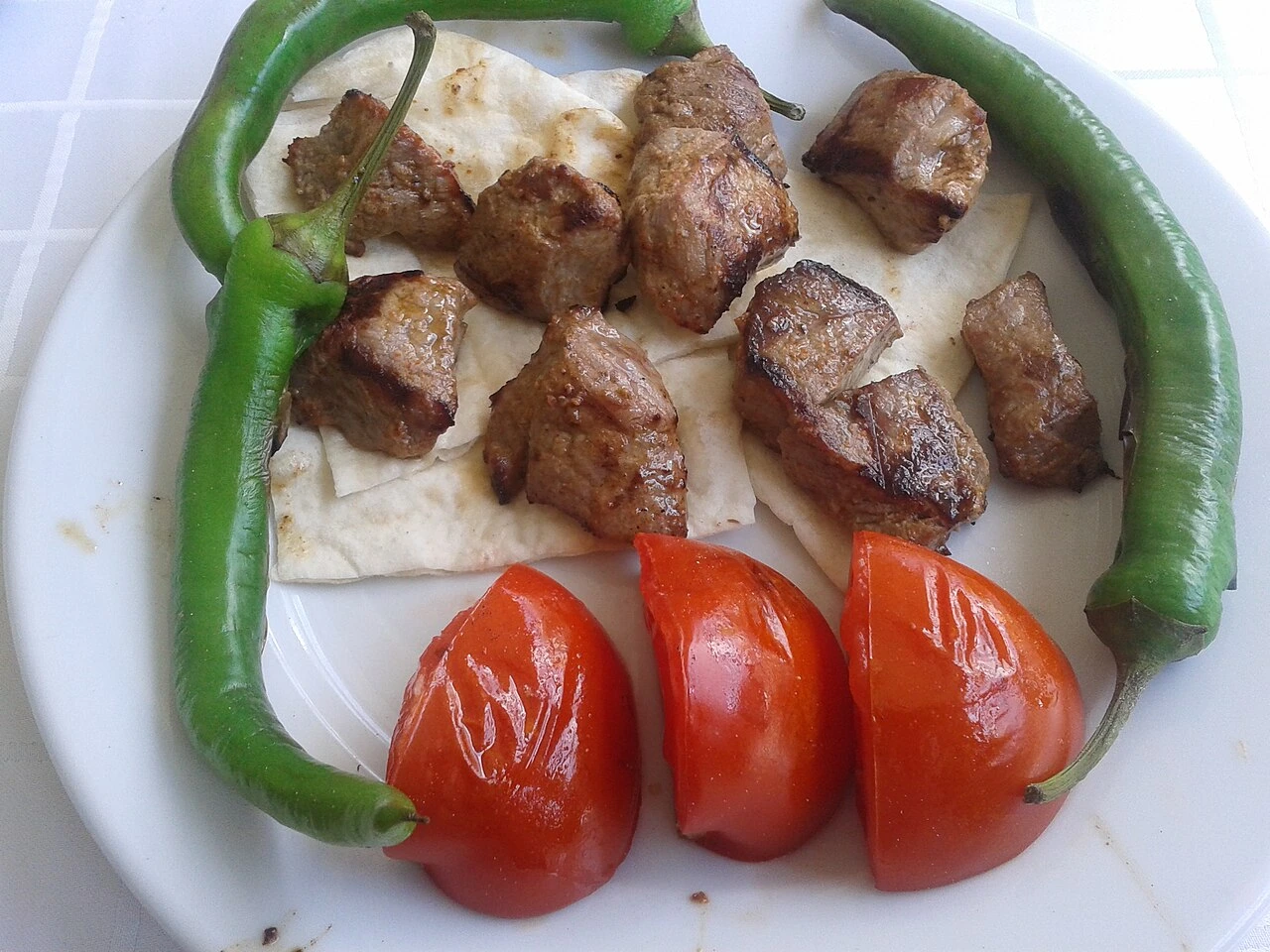
Looking at techniques often reveals more than looking for a single origin. Fermenting milk, drying vegetables, reducing grapes into molasses and rolling thin dough transform perishable resources into useful provisions. Preparing stores for winter also creates opportunities to teach. Children watch experienced hands, neighbours exchange labour and families remember quantities through practice rather than written measurements. Culinary knowledge survives through such ordinary encounters.
UNESCO heritage records highlight this social dimension. Ceremonial keşkek involves collective preparation and occasions of community gathering. Shared flatbread traditions connect several countries through the work of kneading, rolling and baking. These records concern living practices, not certificates establishing exclusive ownership of a food. Regional differences remain essential to understanding the traditions and the people who maintain them.
At the heart of the table
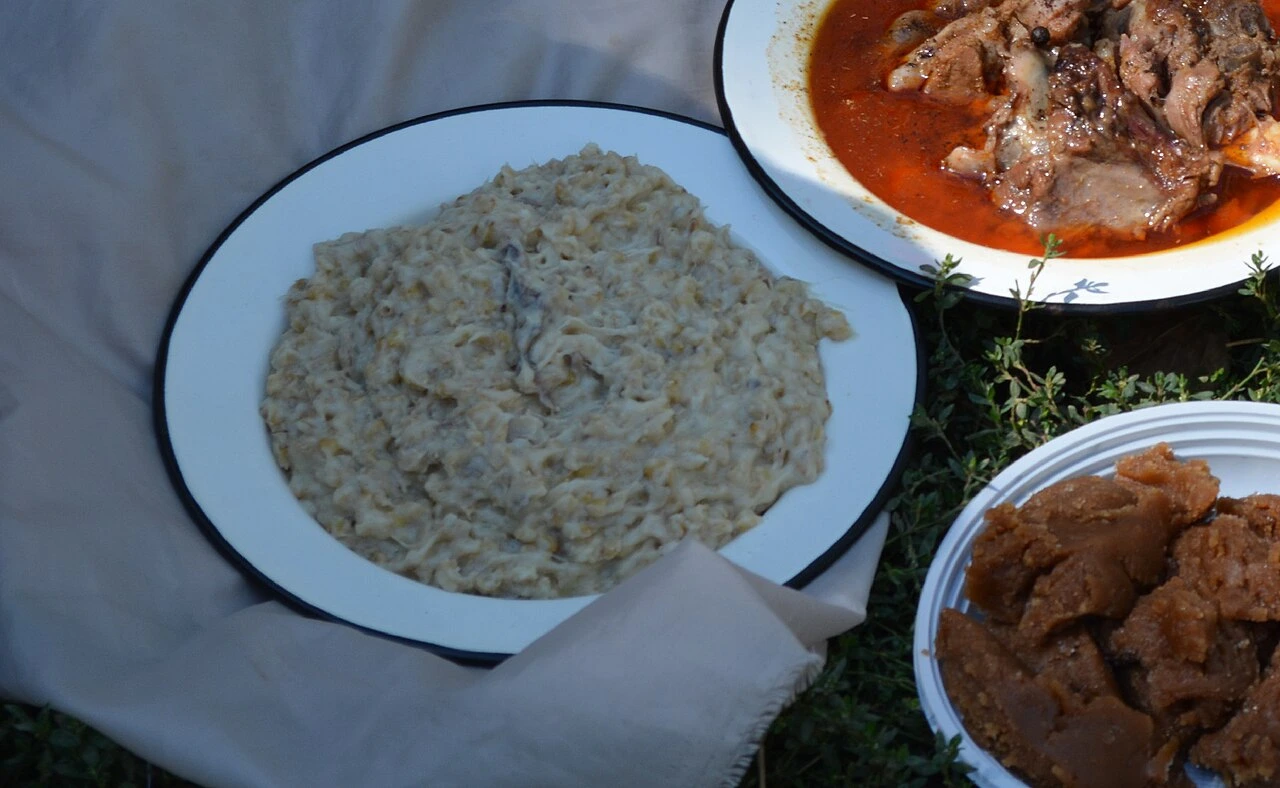
Keşkek
Wheat and meat are cooked until they form a substantial, unified dish. Associated with weddings and other communal occasions, it makes shared labour visible. Local choices of meat, texture and finishing fat distinguish one preparation from another.
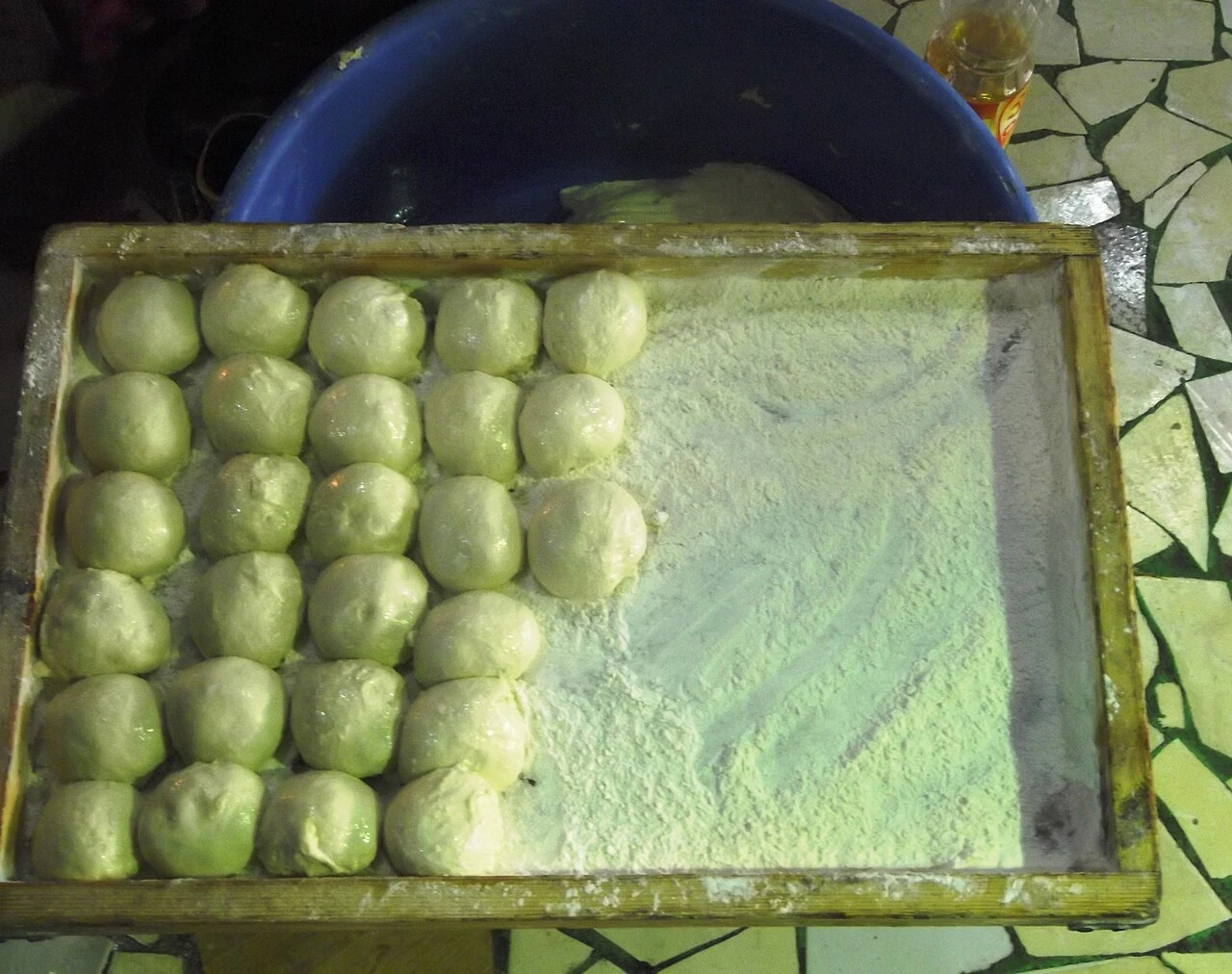
Yufka
Thin sheets of dough become practical bread and a versatile kitchen ingredient. Their preparation can involve coordinated work around a rolling surface and hot cooking plate. Related flatbread traditions extend beyond modern national borders and carry many local names.
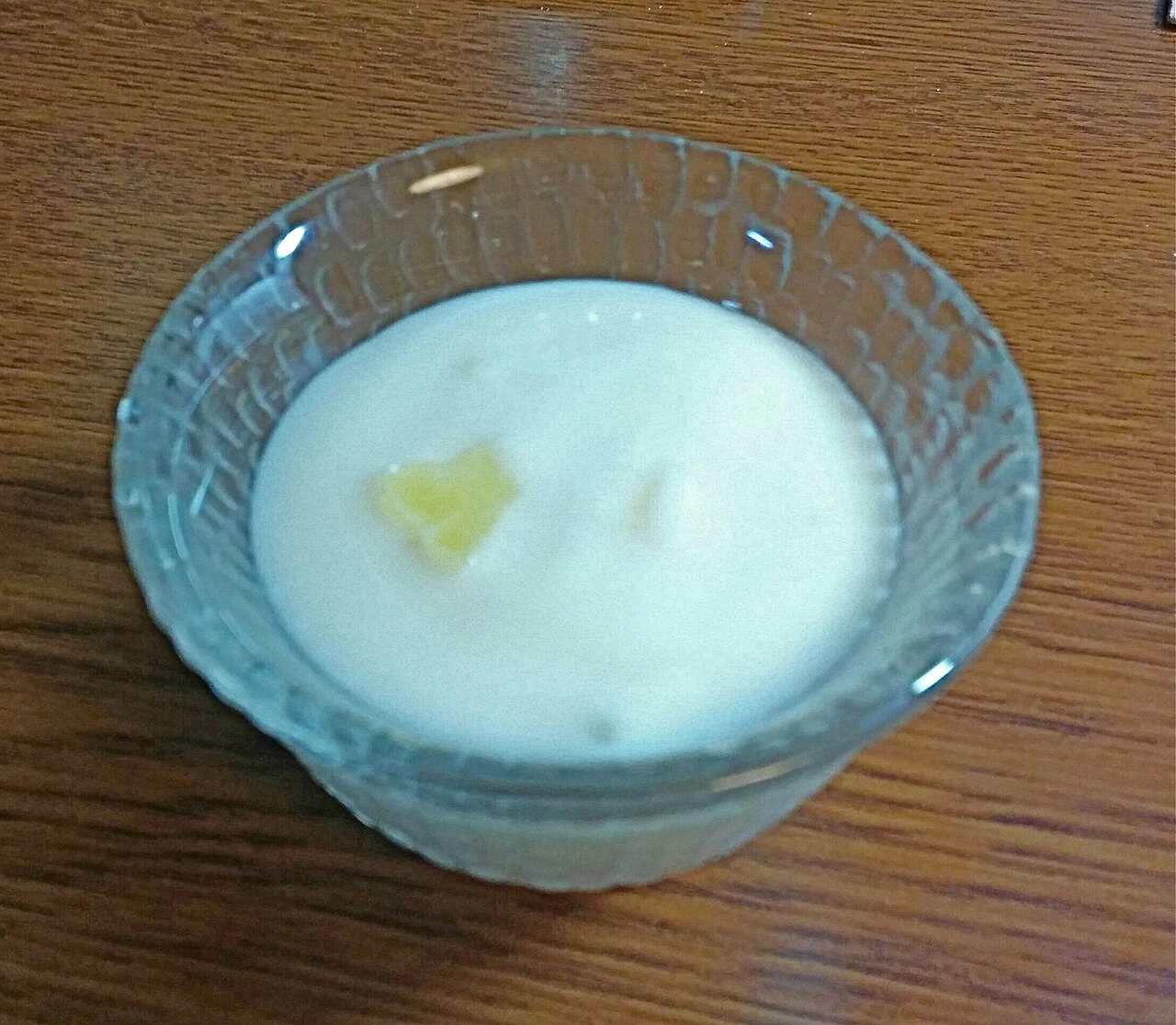
Yogurt
Fermented milk appears by itself, alongside cooked dishes and inside soups. Straining, drying or diluting it produces different textures and uses. Its acidity can balance rich food, while regional techniques reflect available milk and household preferences.
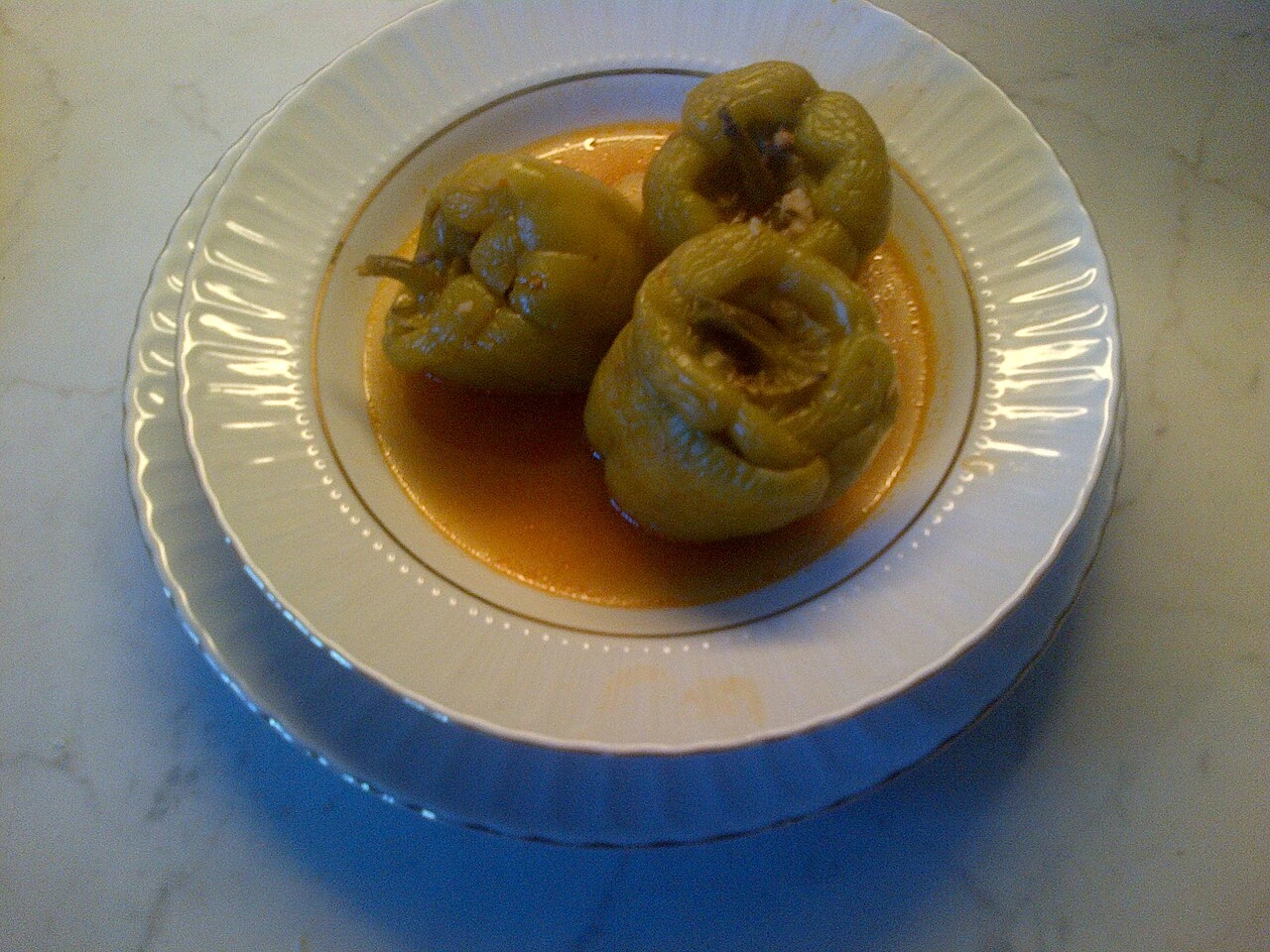
Dolma
Stuffed vegetables and filled leaves form a broad family rather than a single fixed recipe. Meat, rice, herbs and other ingredients vary with place and season. Versions served warm or cool illustrate the flexibility of this approach.
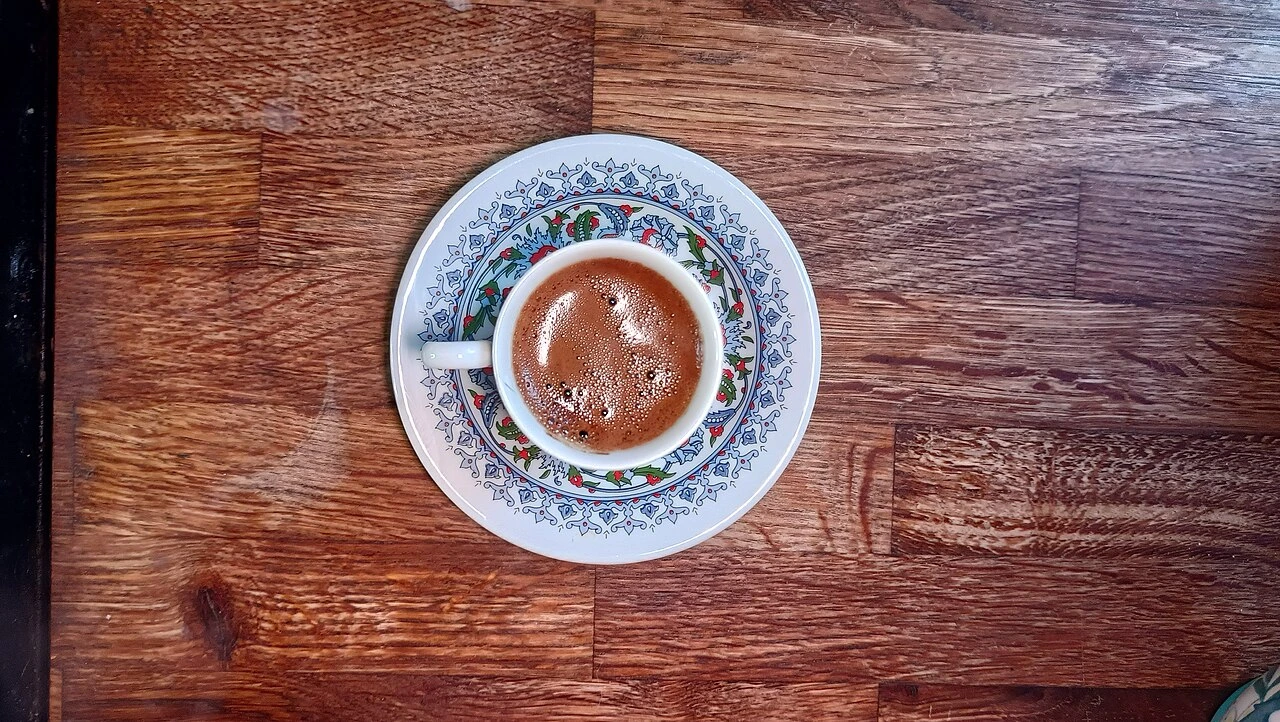
Turkish coffee
Finely ground coffee is cooked with water and served in small cups. Its preparation belongs to a wider culture of conversation and hospitality. The occasion surrounding the cup matters as much as the particular roast or sweetness.
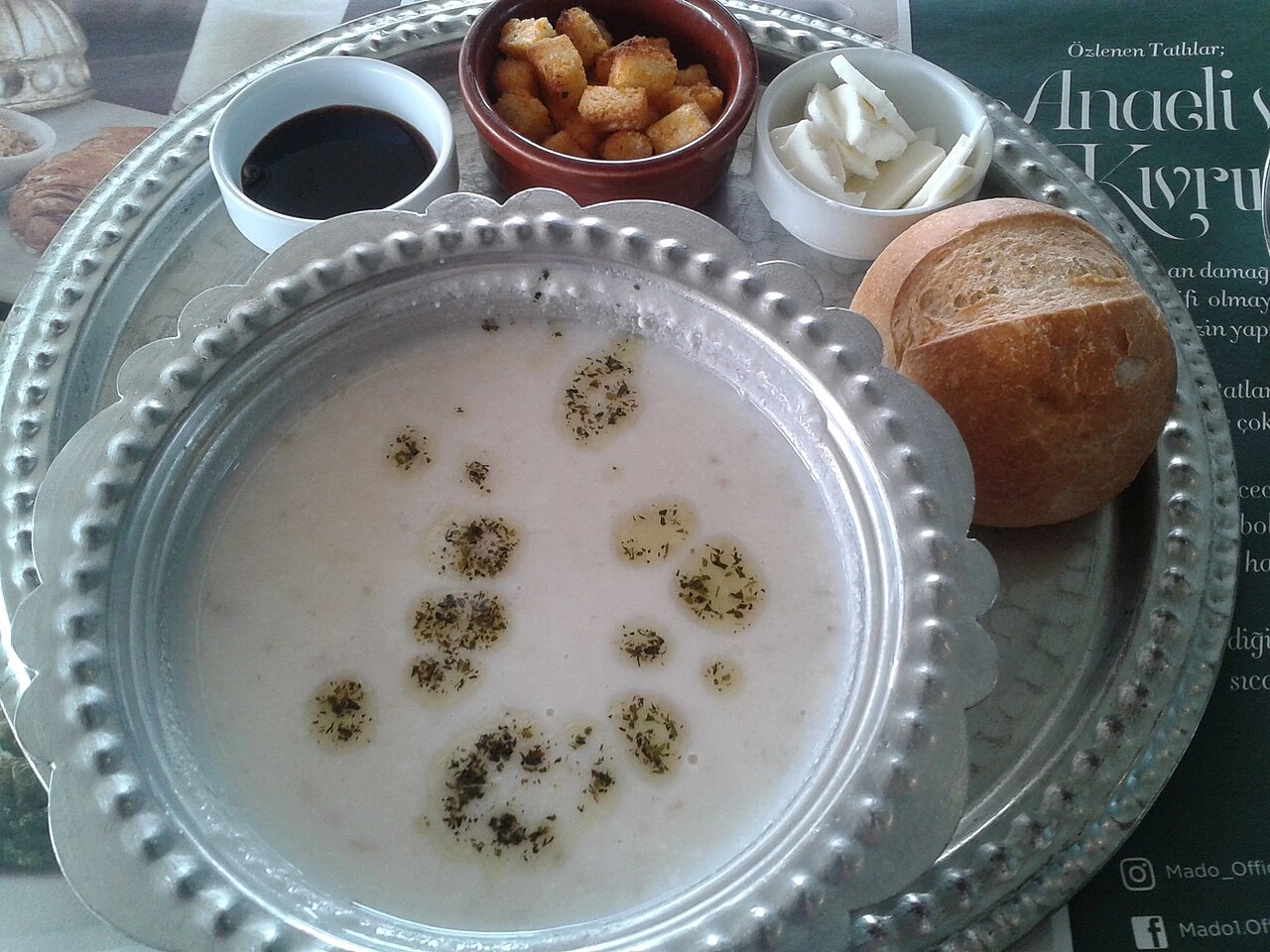
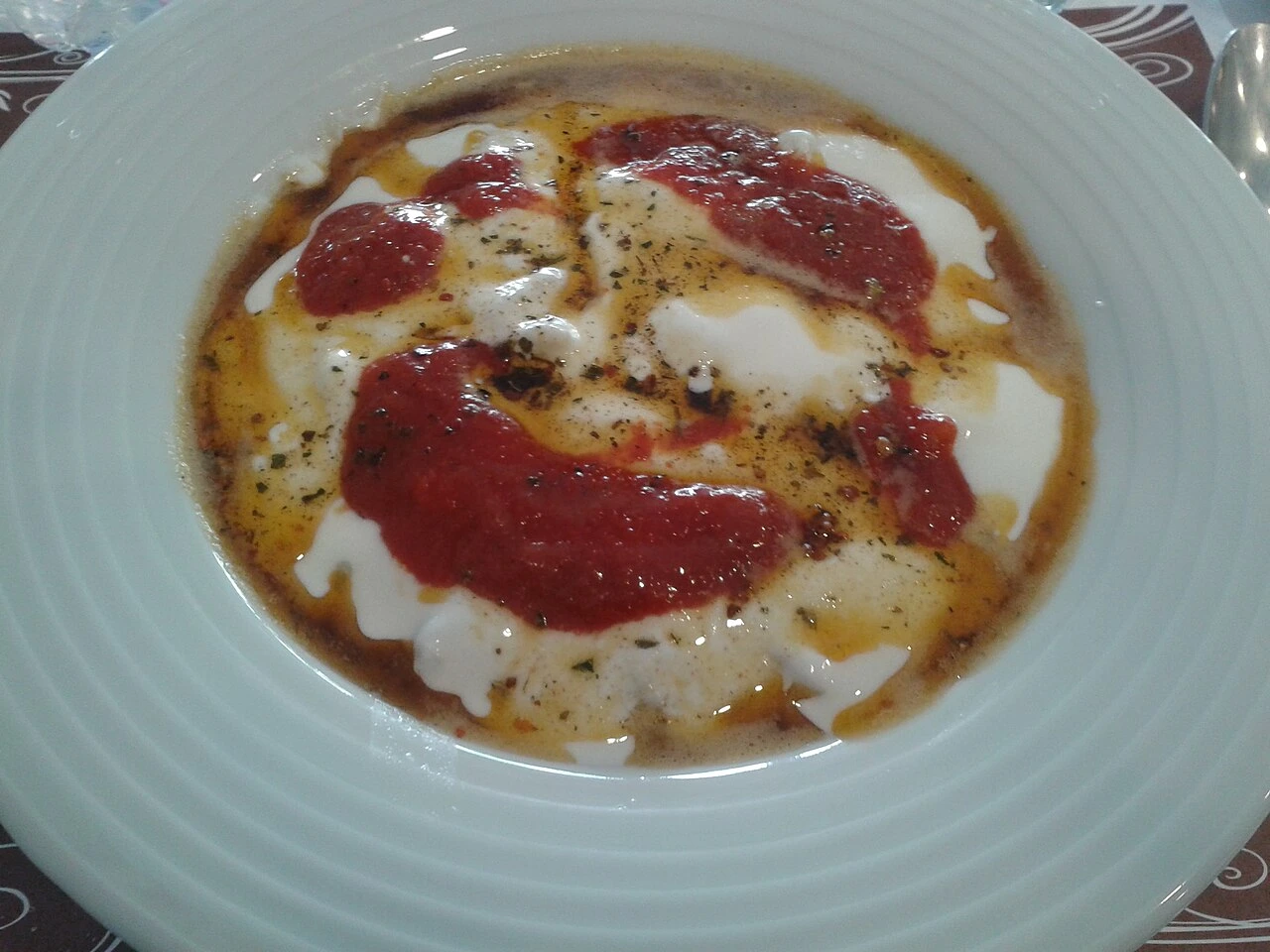
In Göreme, these connections become tangible through a local meal. Ask which ingredients are seasonal, which preparations are made in the kitchen and where a recipe was learned. Such questions reveal the work behind familiar names. They also encourage an appreciation of regional cooking as a living practice, shaped by producers, cooks and the people who gather around their tables. Every thoughtful question can reveal more.