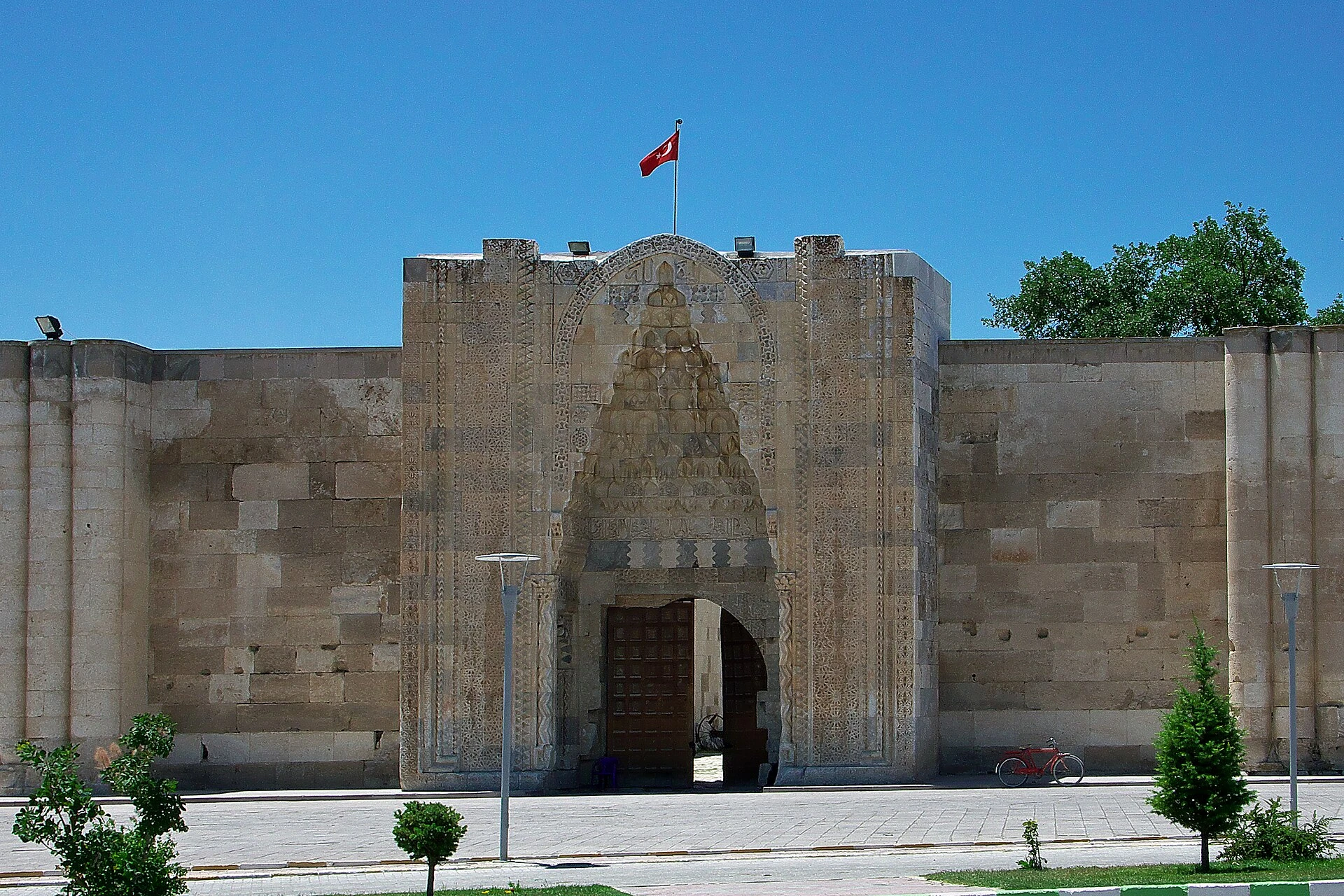
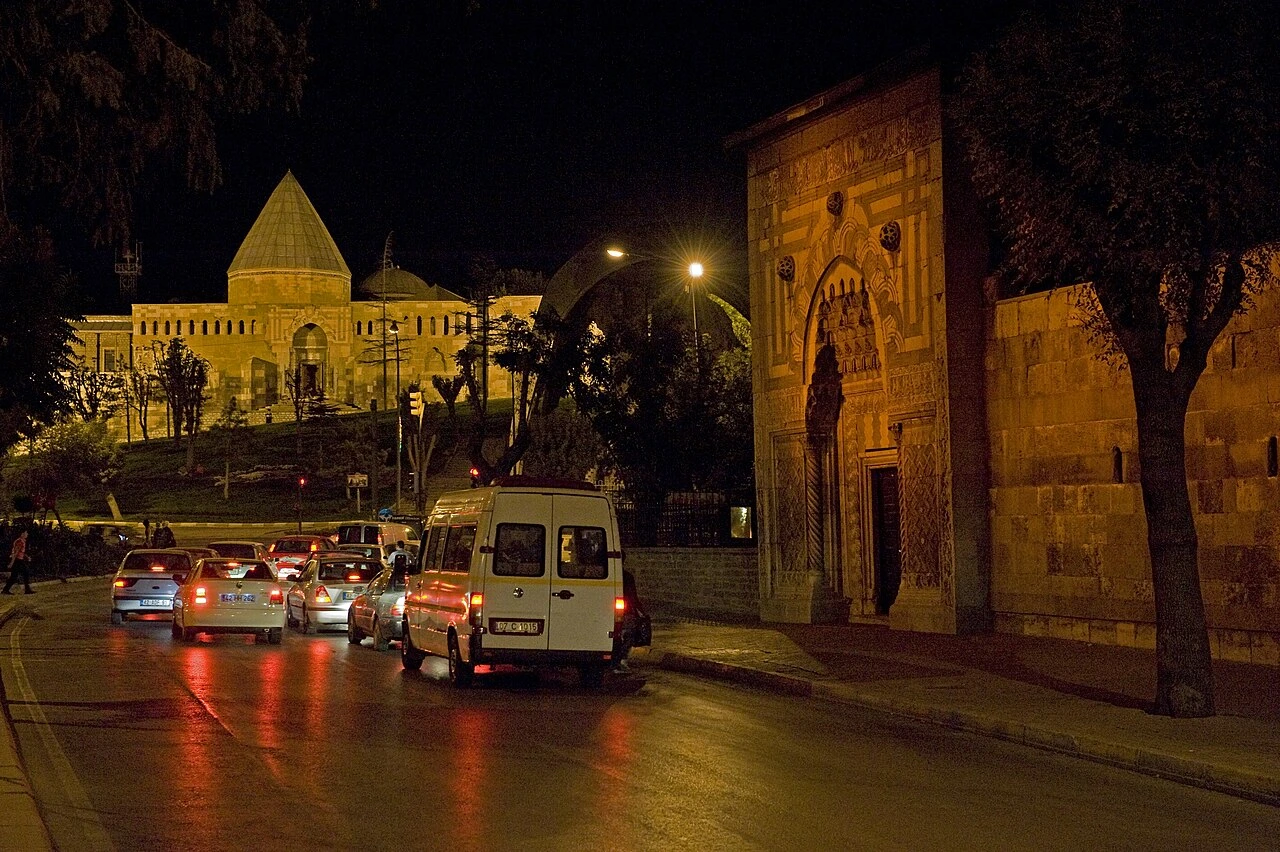
Seljuk gastronomy reflects encounters between the habits of arriving communities and the resources of Anatolian towns, villages and trading routes. Konya is a centre when discussing the Anatolian Seljuk period, but palace meals cannot represent everything people ate. Income, season, settlement and access to production all affected the table. Cooking deserves attention alongside the image of elaborate feasts.
Researchers reconstruct this food culture using literary works, historical accounts and evidence. Finding a dish name in a medieval text does not prove that its modern recipe is identical. Quantities, ingredients and cooking times may remain uncertain. A restaurant offering a Seljuk menu is usually presenting an informed contemporary interpretation, an approach that can be valuable when its relationship with historical evidence is explained.
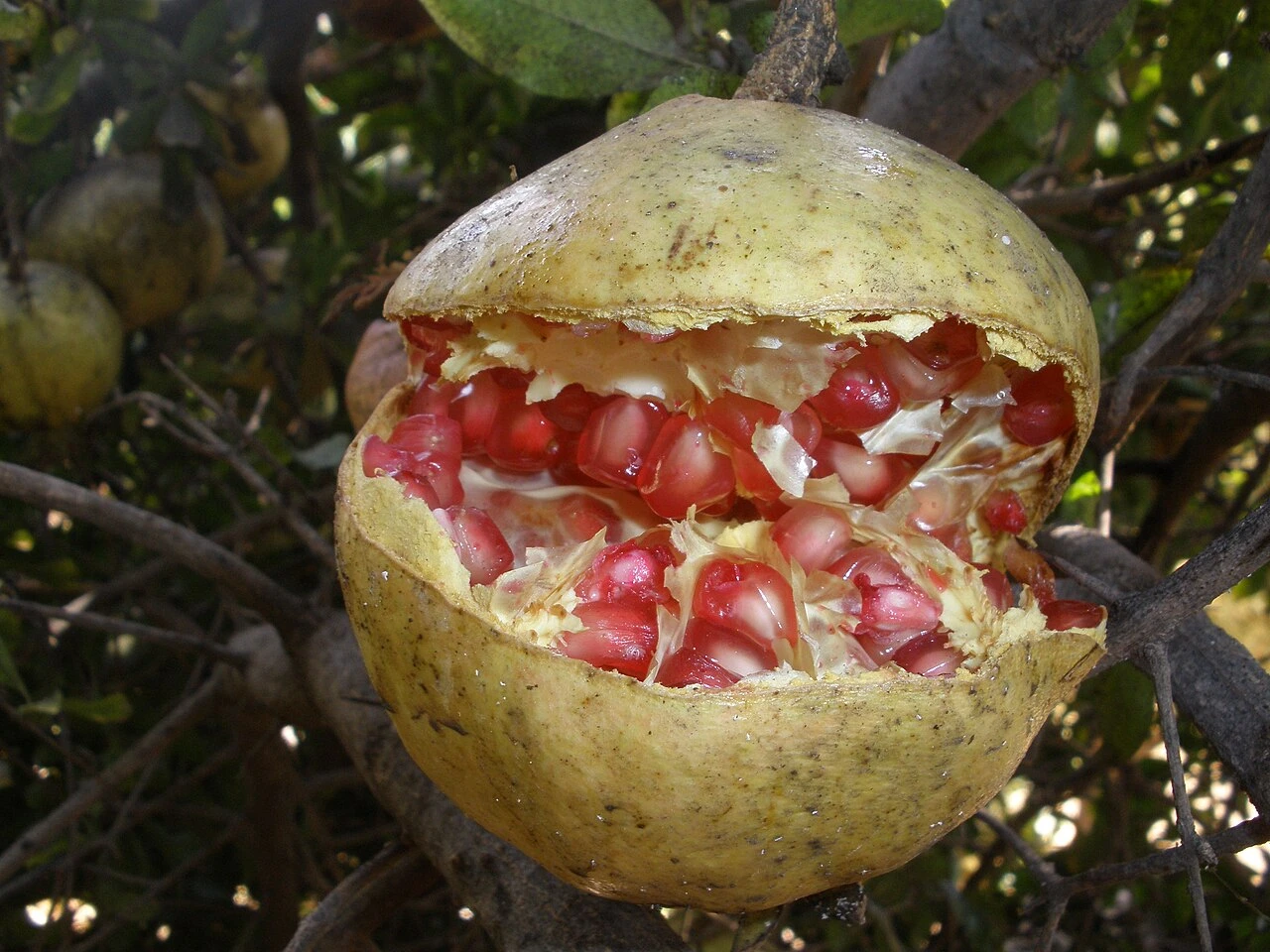
Studies discuss grain, legumes, dairy and animal foods together. Meat could be used in moist preparations and combined with other ingredients rather than always being roasted. Bread might become part of a dish as well as accompany it. Honey and grape molasses help illuminate sweet preparations. The appearance of spices in a source should not imply that every household enjoyed the same access or abundance.
Chronology also matters. Tomatoes, potatoes and American peppers must not be casually inserted into a medieval Anatolian menu. Nor should the present popularity of a dish become evidence that it existed in precisely the same form centuries ago. A more useful account identifies historically discussed food families, then considers how contemporary cooks interpret them through local ingredients and available equipment.
At the heart of the table
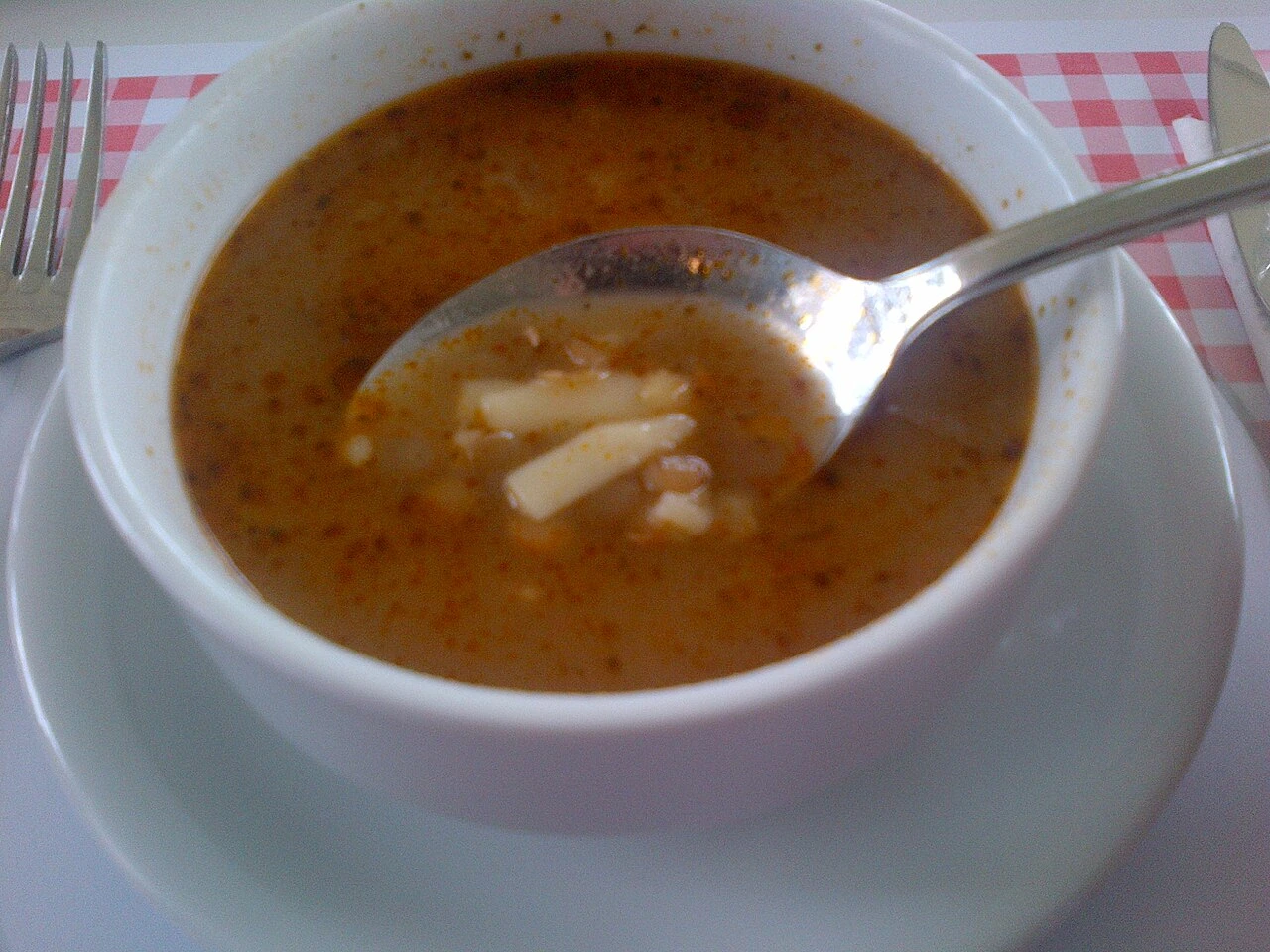
Tutmaç
Dough and yogurt are central to discussions of this historical food family. Contemporary soup versions can include additional ingredients. No single modern formula should be treated as a complete reconstruction of every preparation associated with the medieval name.
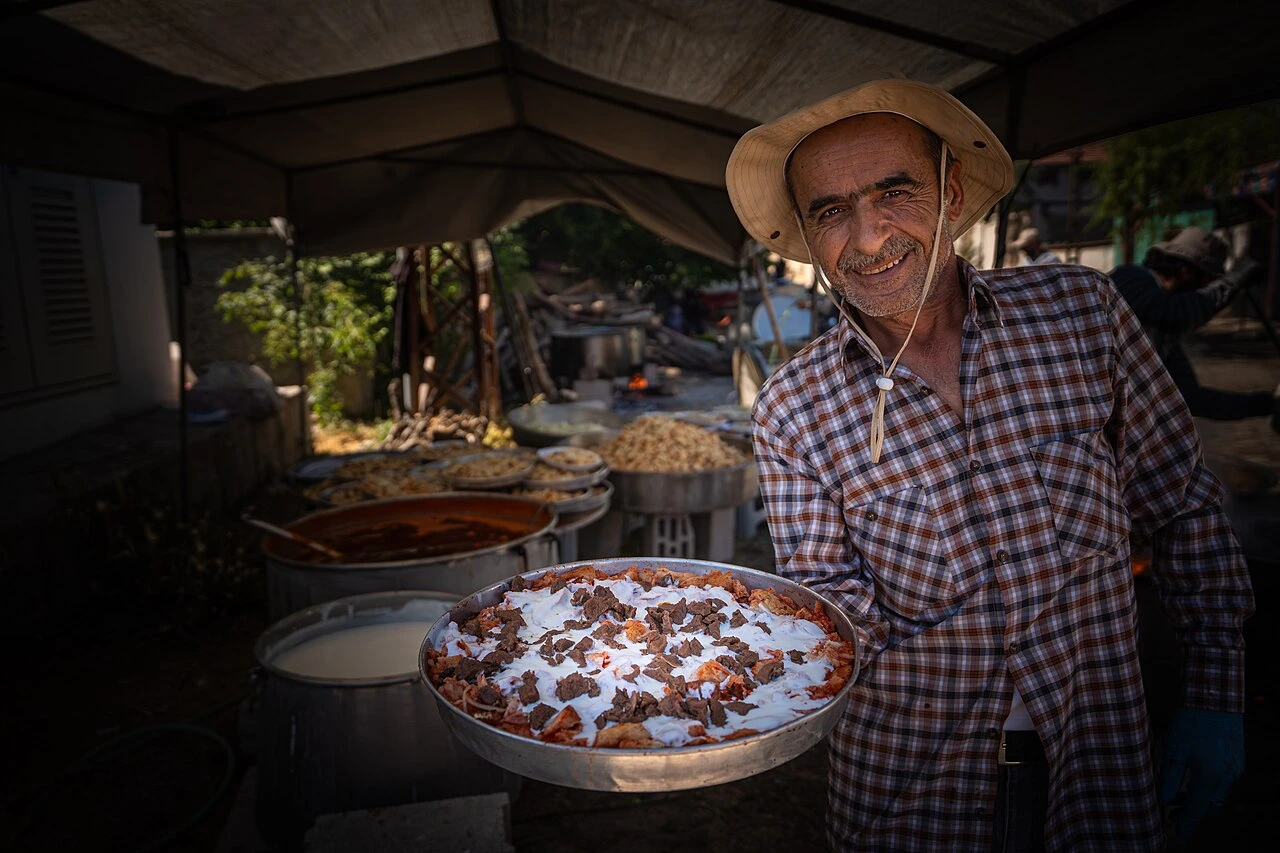
Tirit
Bread combined with broth or a moist meat preparation gives this family of dishes its character. The method makes bread part of a substantial meal. Different regional versions today illustrate the continuing flexibility of the underlying culinary idea.
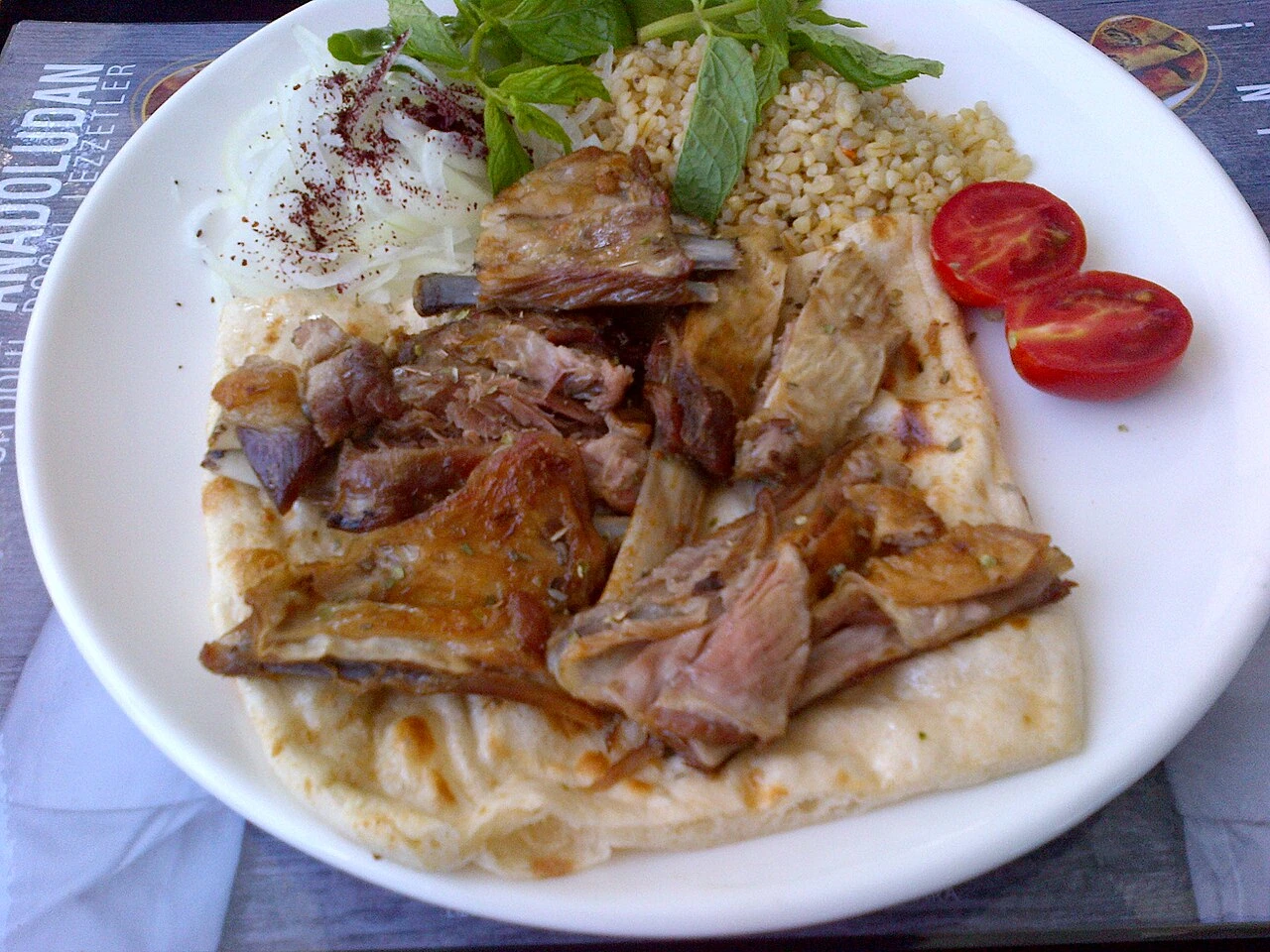
Biryan
This historical name is associated with cooked meat and is related to the form büryan encountered today. Contemporary regional preparations use particular ovens and techniques. Similar names provide a starting point for research rather than proof of identical methods.
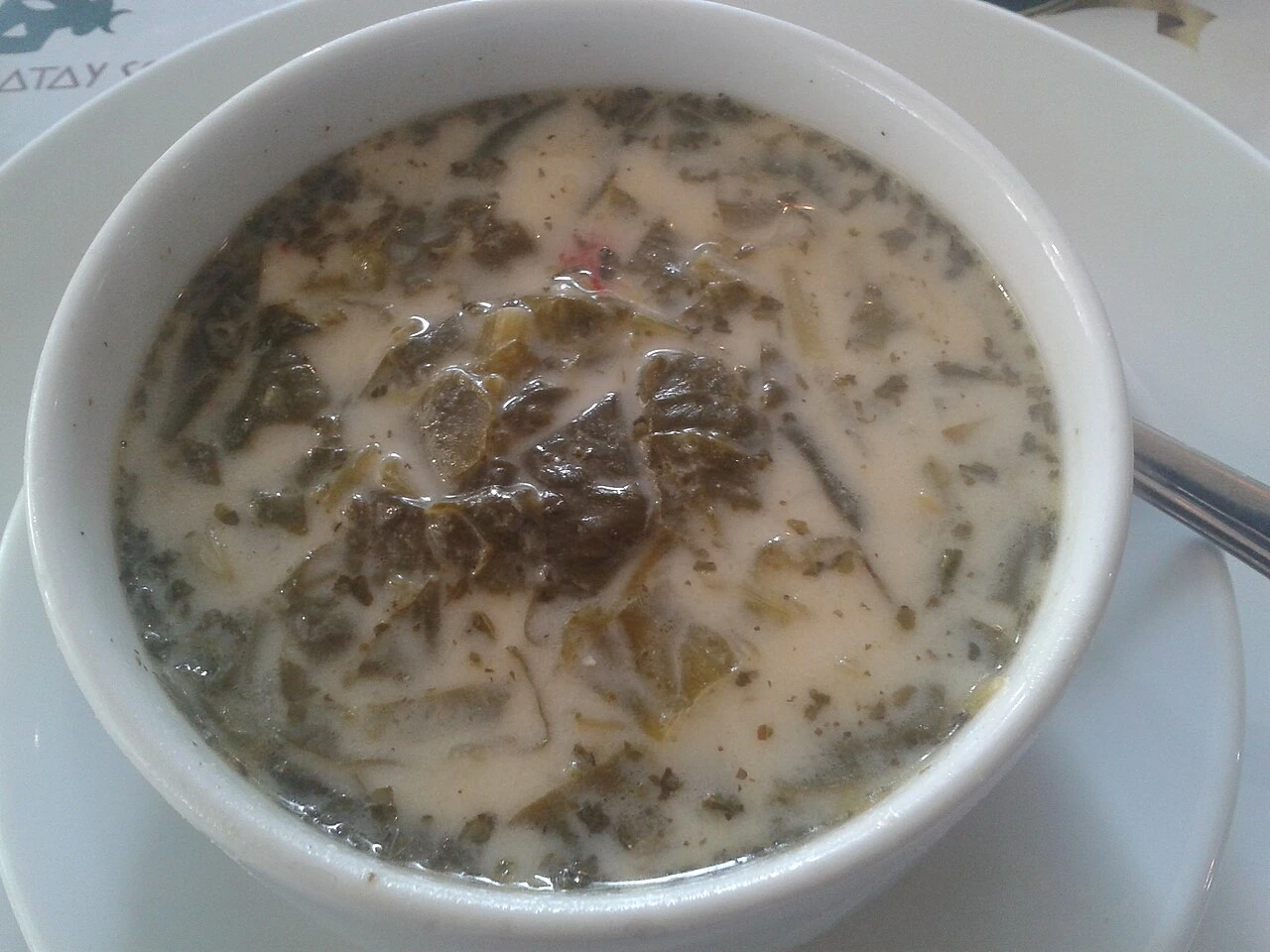
Borani
Vegetables, yogurt and sometimes grain appear in preparations discussed under this name. Research on Seljuk food mentions several versions. Looking at seasonal greens and the relationship between vegetables and dairy helps make the family understandable without imposing one recipe.
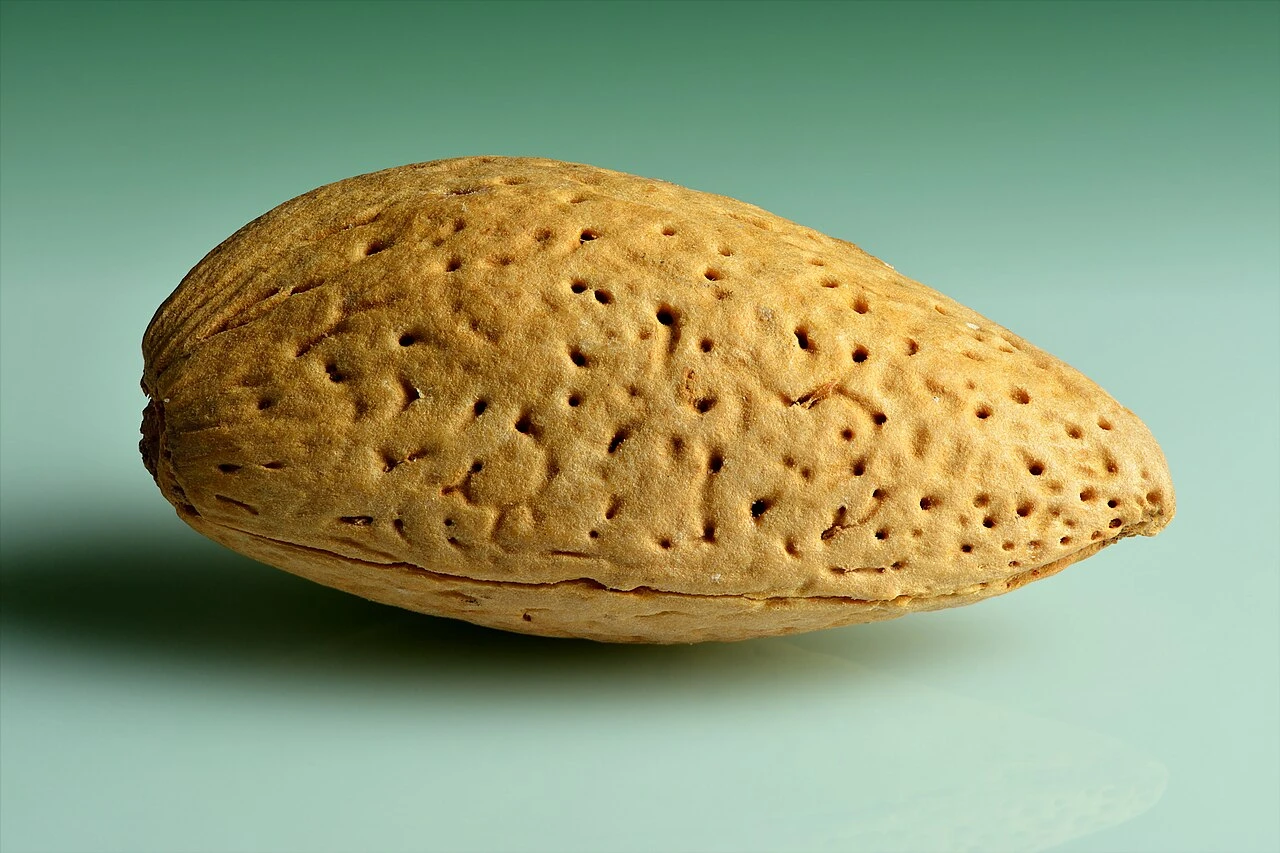
Almond halva
Almond based sweets offer a route into the dessert repertoire. Modern interpretations use their own proportions of nuts, fat and sweetening ingredients. The survival of a historical name does not establish that all ingredients or measurements remained unchanged.
In Cappadocia, ask how a historical menu was developed and which sources guided the kitchen. Tasting tutmaç, tirit or borani can connect research with the practical decisions of a working cook. The most engaging presentation acknowledges the distance between medieval evidence and a contemporary plate, making interpretation part of the pleasure rather than concealing it.