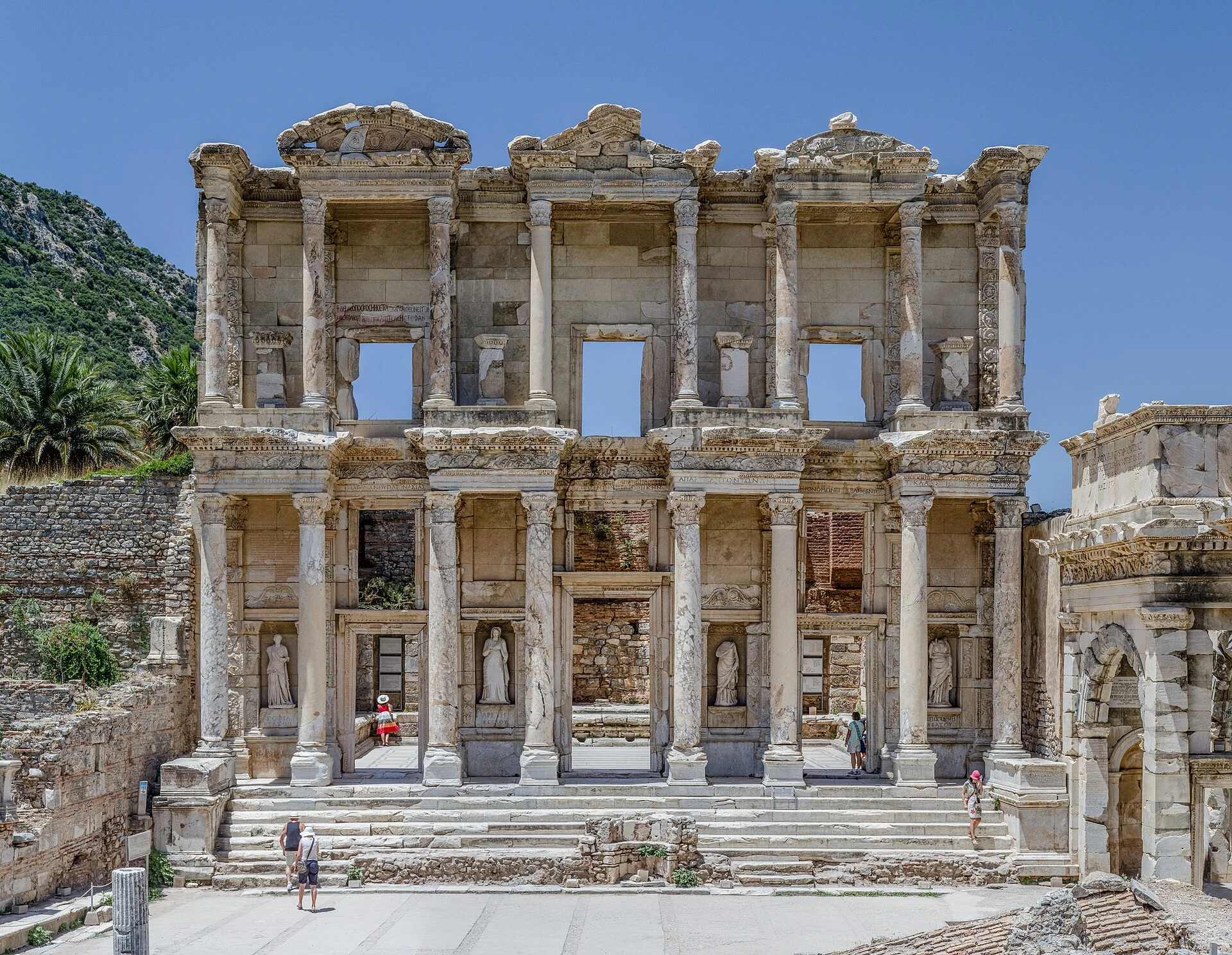
Food in Hellenistic and Roman Anatolia belonged to many different tables. Coastal cities and inland settlements differed in their access to ingredients, and households experienced different circumstances. Maritime connections, agricultural surroundings and resources all shaped meals. Describing this diversity as one metropolitan menu spreading across the countryside would overlook much of what makes the region interesting.
Sagalassos offers an example of the relationship between food and urban life. Its productive territory supplied grain and olives, while local clay supported the manufacture of fine tableware. Agricultural surplus and ceramic production contributed to the city's connections. A meal therefore involved more than edible ingredients: fields, workshops, markets and serving vessels participated in the same economy.
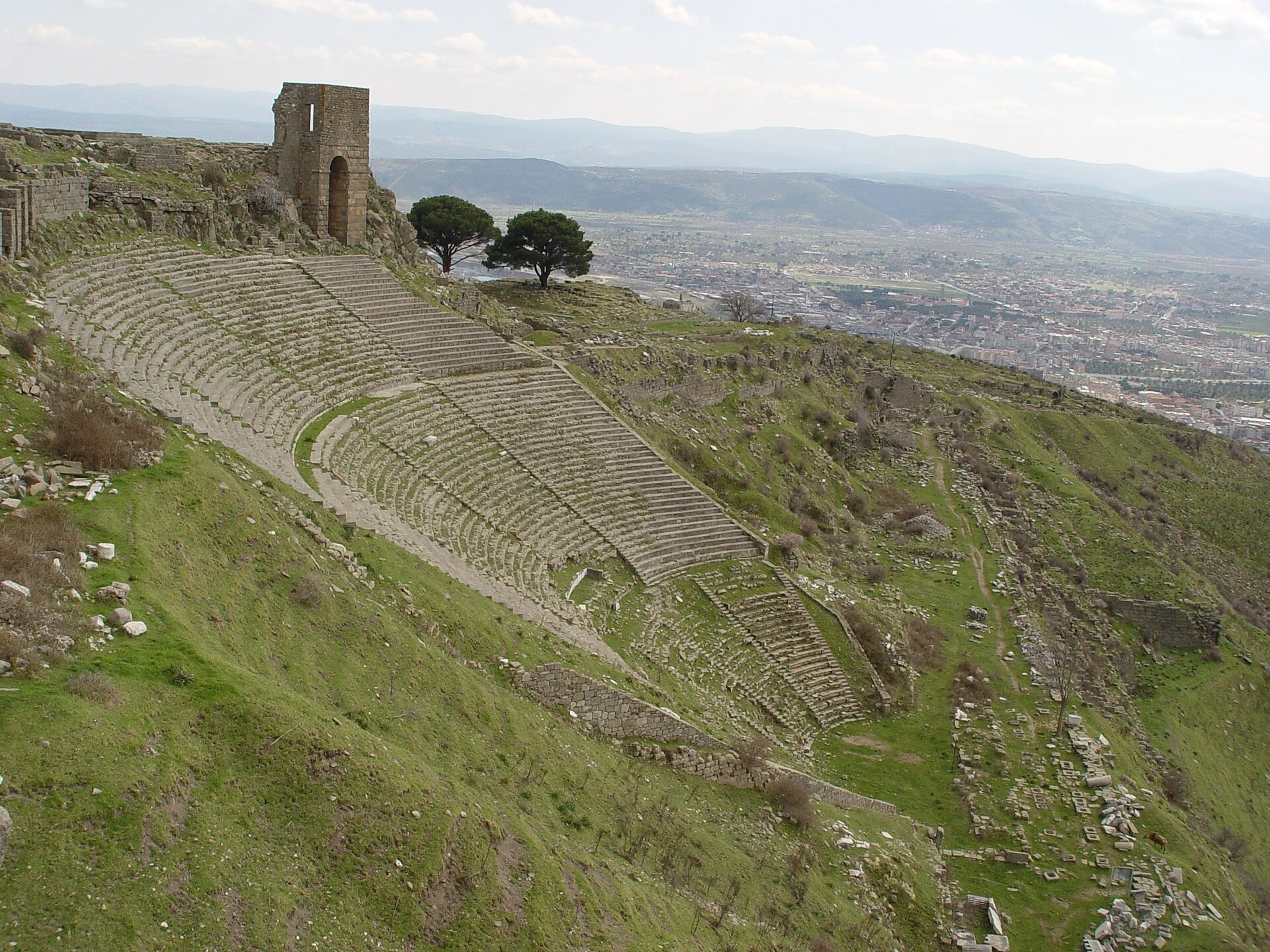
Political transitions alone do not explain every culinary change. Moving from Hellenistic kingdoms into Roman rule did not mean that every household adopted a different breakfast. Communities could retain practices while encountering new goods and habits. Seeds, vessels and production facilities help archaeologists investigate these longer processes, often revealing patterns that do not follow a simple sequence of rulers.
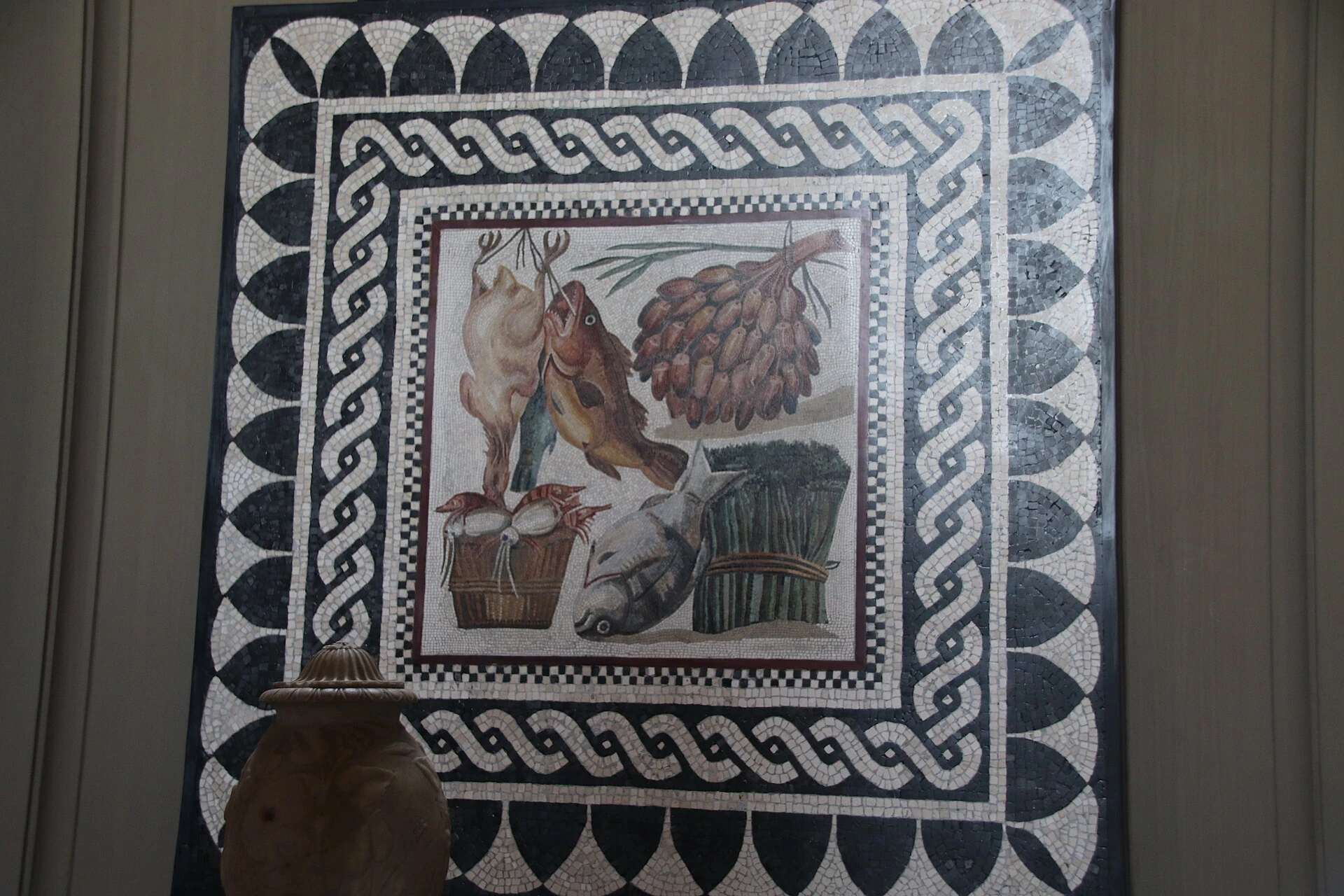
Descriptions of Roman banquets can be spectacular. The Metropolitan Museum discusses elite dining rooms in which decoration, tableware and entertainment expressed the host's standing. Such evidence illuminates social display, but does not describe the ordinary meals of an entire population. Getty's approach to everyday pantry ingredients provides a useful counterweight, directing attention towards cereals and pulses alongside the more theatrical imagery of luxury.
The five selections below introduce this wider Mediterranean food world without claiming that every Anatolian city prepared them identically. Grain and olives have a local example at Sagalassos, while other entries draw on broader Roman evidence. Keeping those geographical distinctions visible is essential. A discovery in Italy can illuminate the empire's culinary range without automatically proving the contents of a Cappadocian kitchen.
At the heart of the table
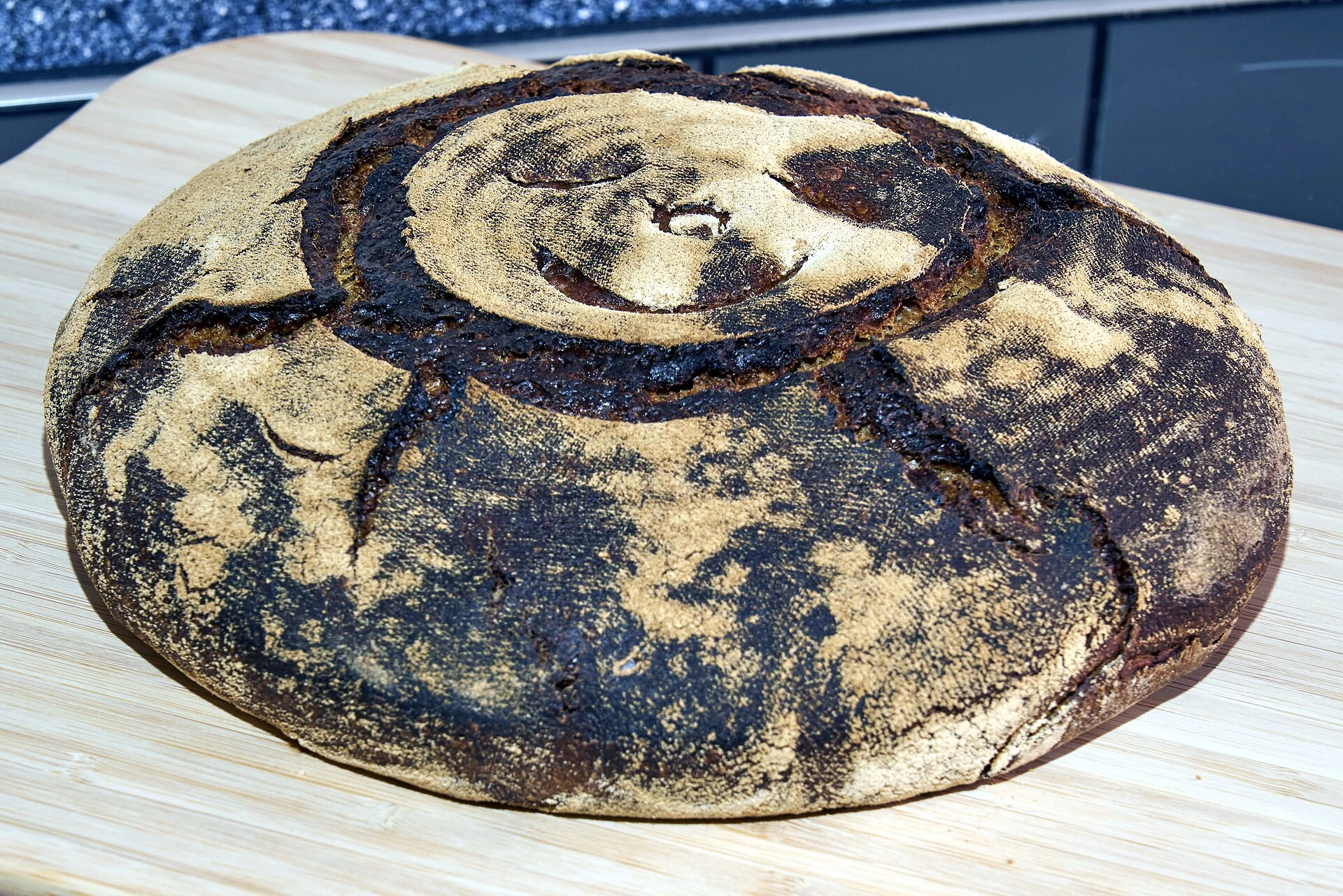
Grain bread
An essential starting point for thinking about everyday nourishment. Milling, dough preparation and baking connect cultivated landscapes with the practical demands of feeding people in towns and households.
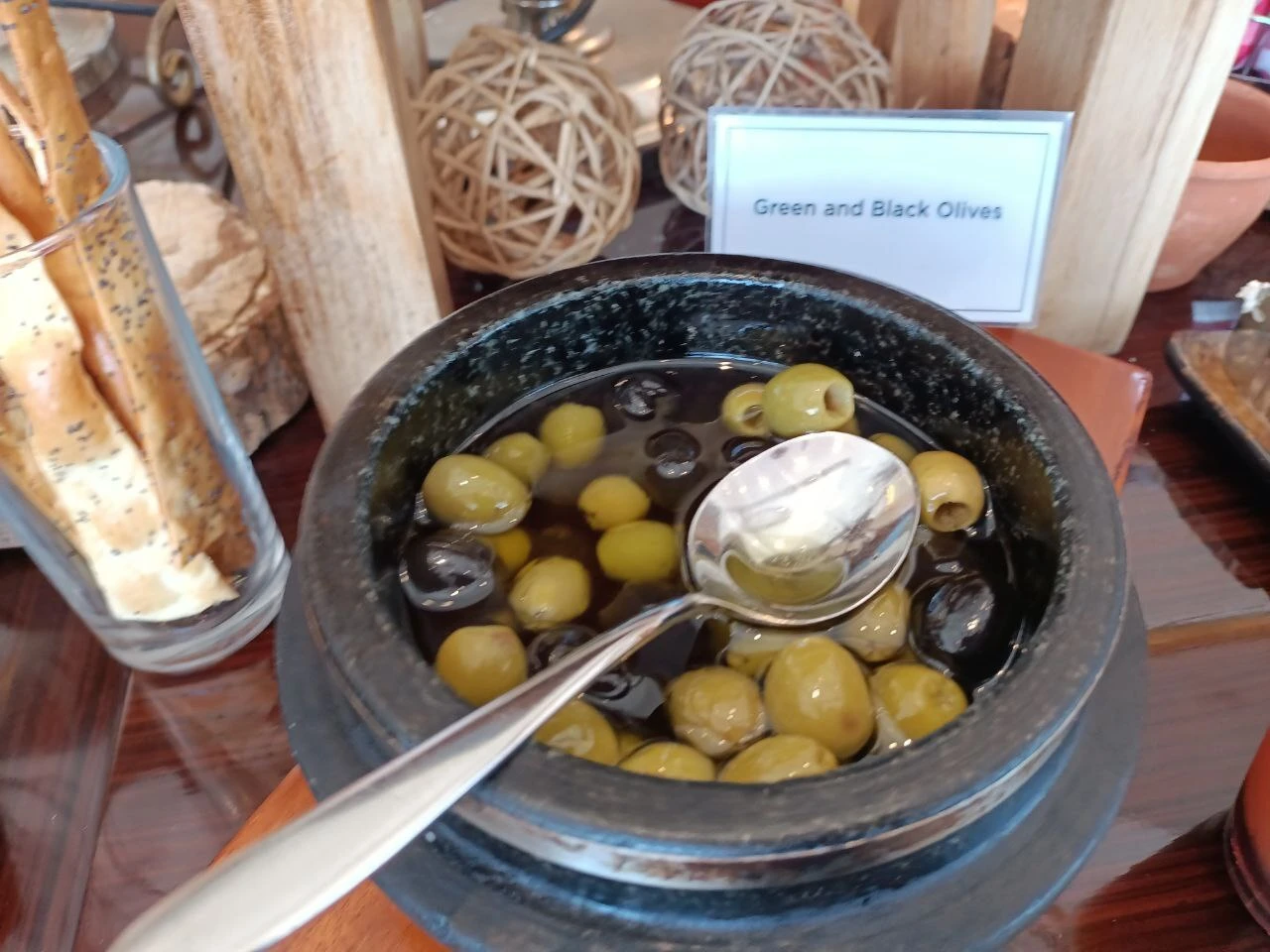
Olives
Mentioned among the productive resources of the Sagalassos territory and familiar across Mediterranean food culture. Evidence for cultivation does not supply every detail of local processing or seasoning.
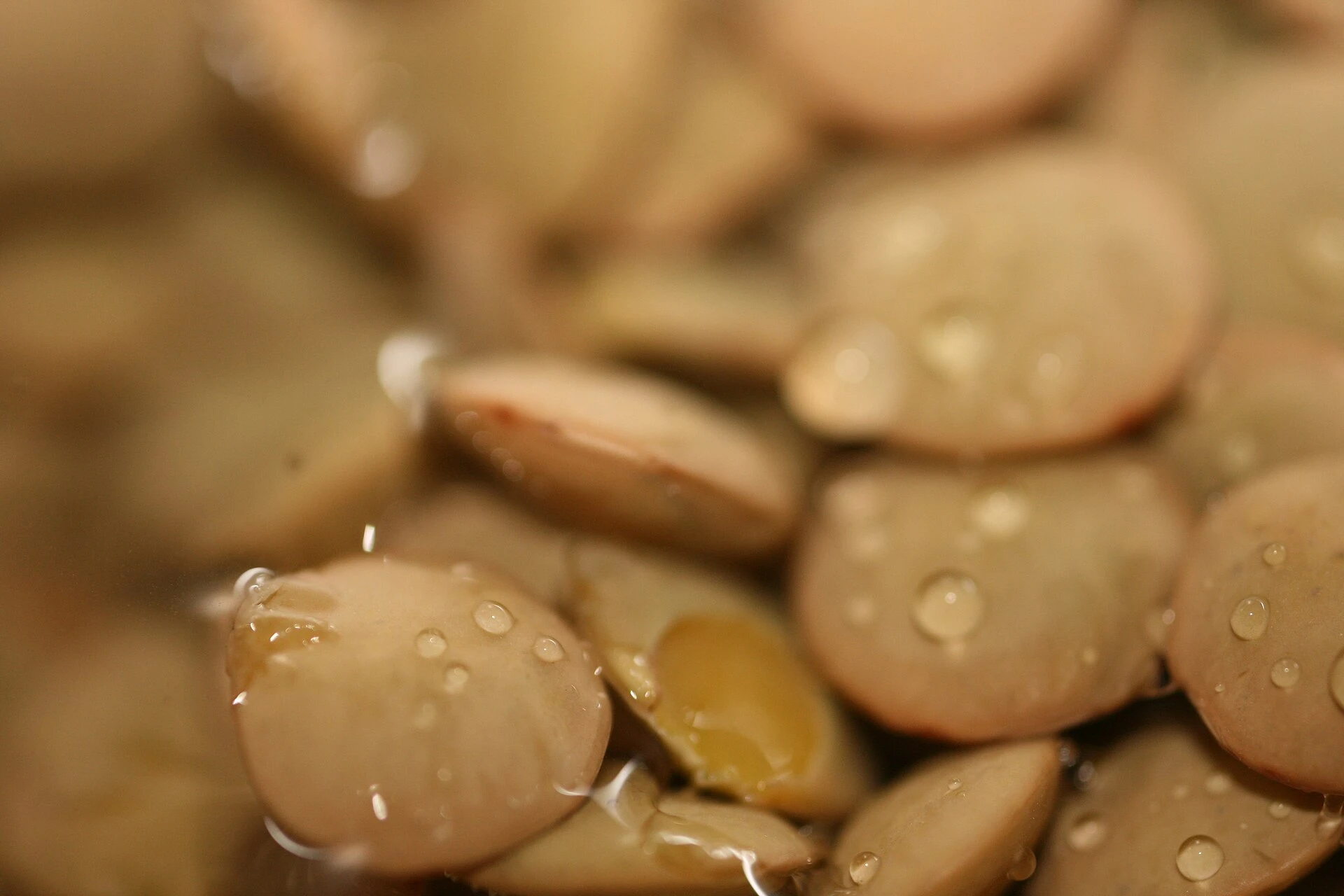
Lentils
A modest pulse within the wider Roman culinary repertoire. Comparisons with a modern soup can be evocative without establishing that its complete recipe survived unchanged into the present.

Figs
A fruit supported by archaeological evidence from the Roman world, including Herculaneum. That Italian material should be identified accurately rather than relabelled as a direct Anatolian discovery.

Wine
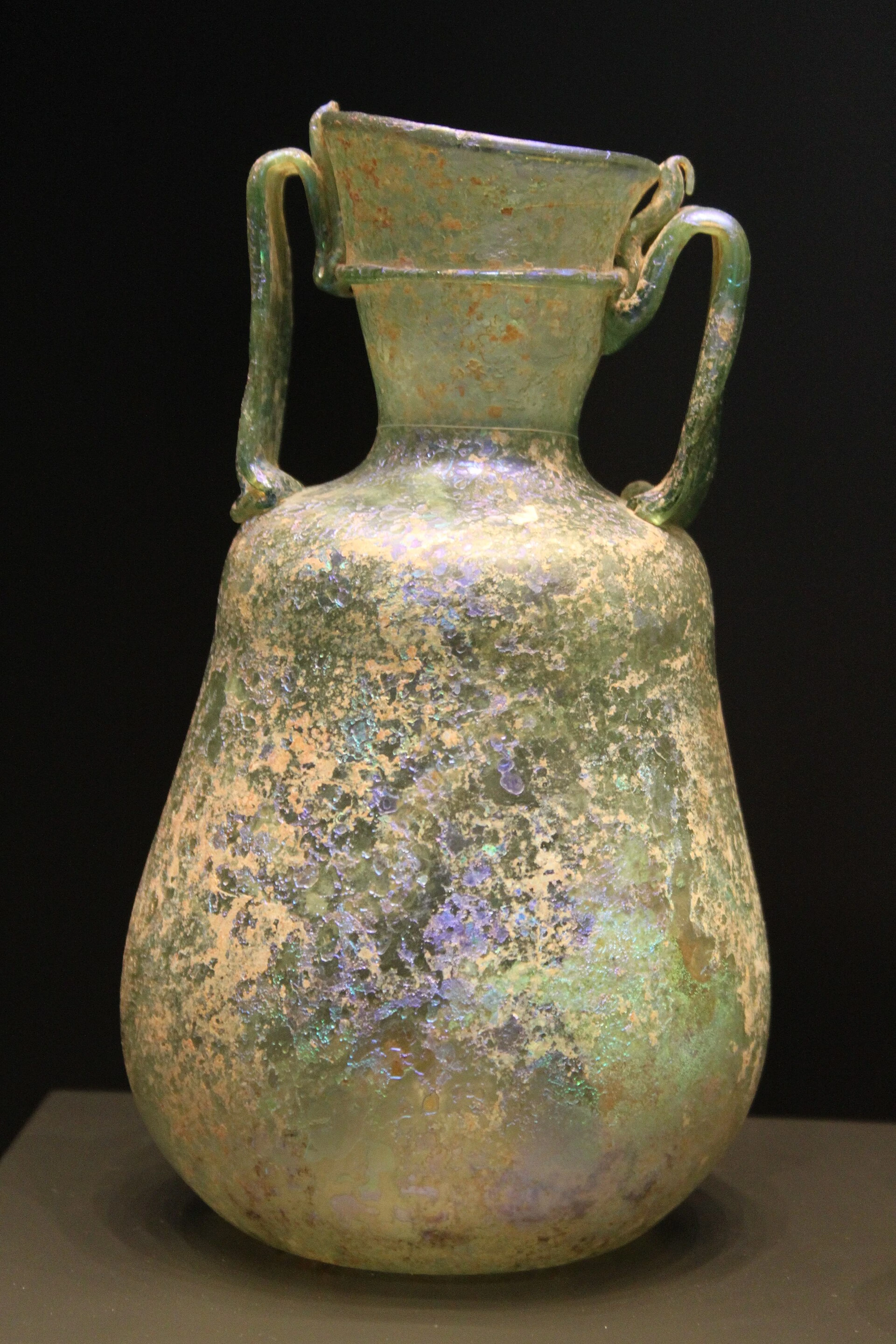
An accompaniment within Roman banquet culture. Serving vessels and social conventions reveal meanings extending beyond grape cultivation, while elaborate dining evidence must remain distinct from ordinary consumption.
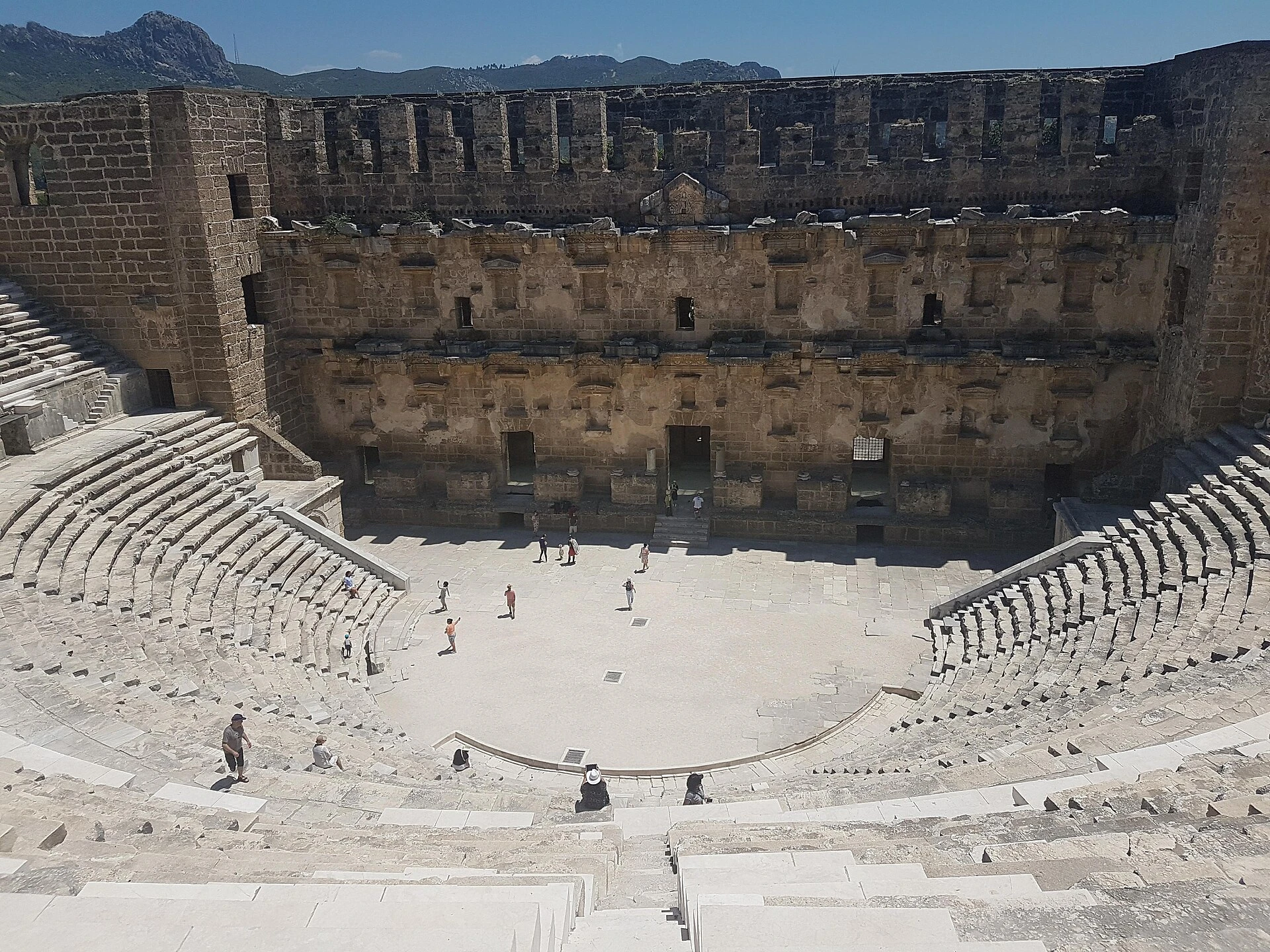
Bread, olives or pulses at a Cappadocian table can create a thoughtful connection with antiquity. Their familiarity does not require giving a modern dish false antiquity. More useful questions concern where ingredients grew, who prepared them and how they were shared. Looking for ovens, storage spaces and everyday pottery beside monumental ruins brings these human relationships into clearer view.