Iron Age Anatolia did not possess a single cuisine. Phrygian Gordion, Lydian Sardis and the Urartian landscapes around Lake Van occupied different environments and political worlds. Their food histories should therefore be compared without being collapsed into one ancient menu. Similar ingredients can reveal shared possibilities, while differences in evidence illuminate particular households, communities and ceremonial occasions.
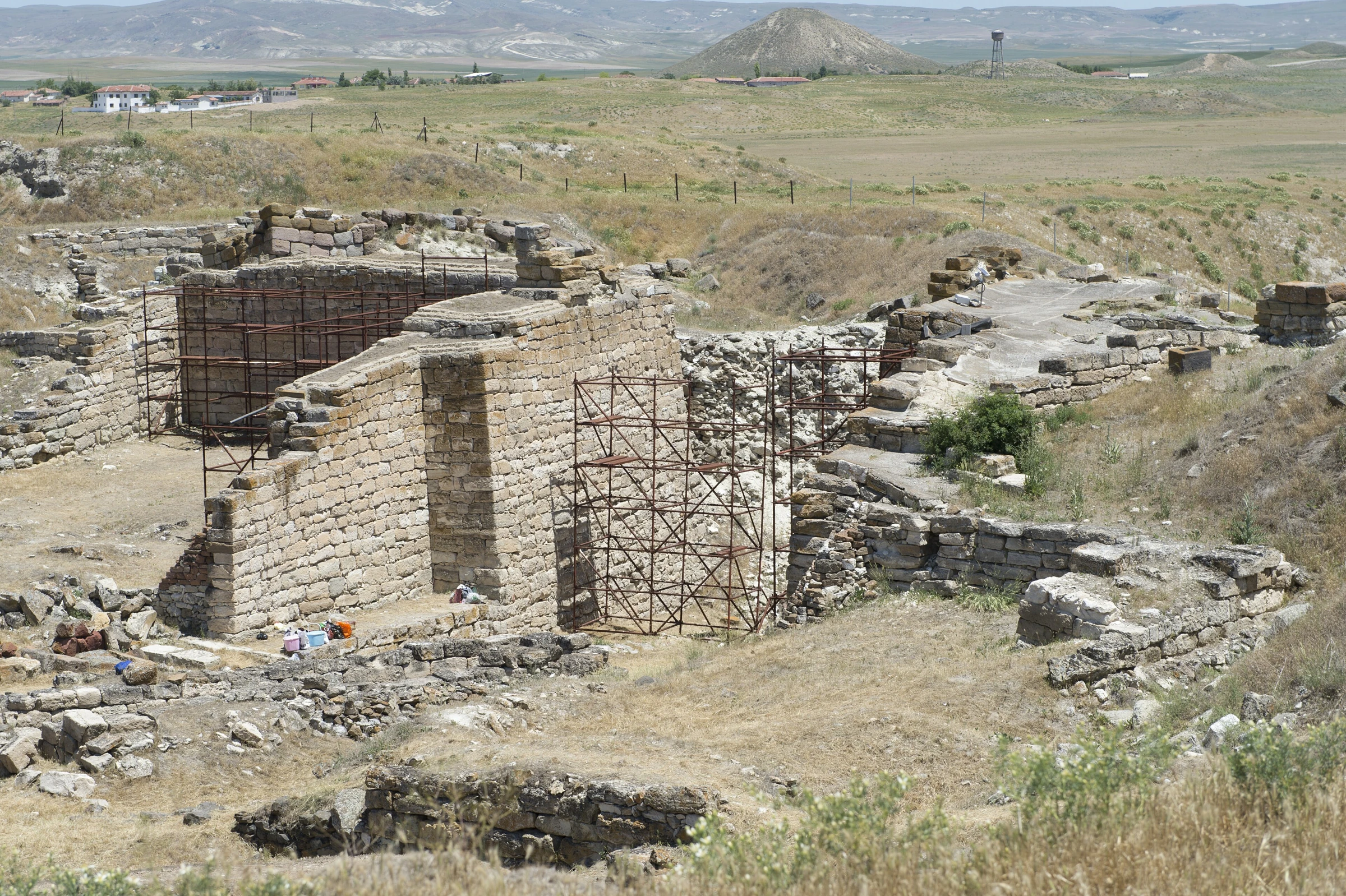
Tumulus MM at Gordion provides a vivid example. Traditionally associated with the name Midas, the tomb is now connected with his father. Residues from its vessels point towards a feast involving sheep or goat meat with lentils, accompanied by a beverage combining grape wine, barley beer and fermented honey. This was a funerary setting rather than a documented everyday family supper.
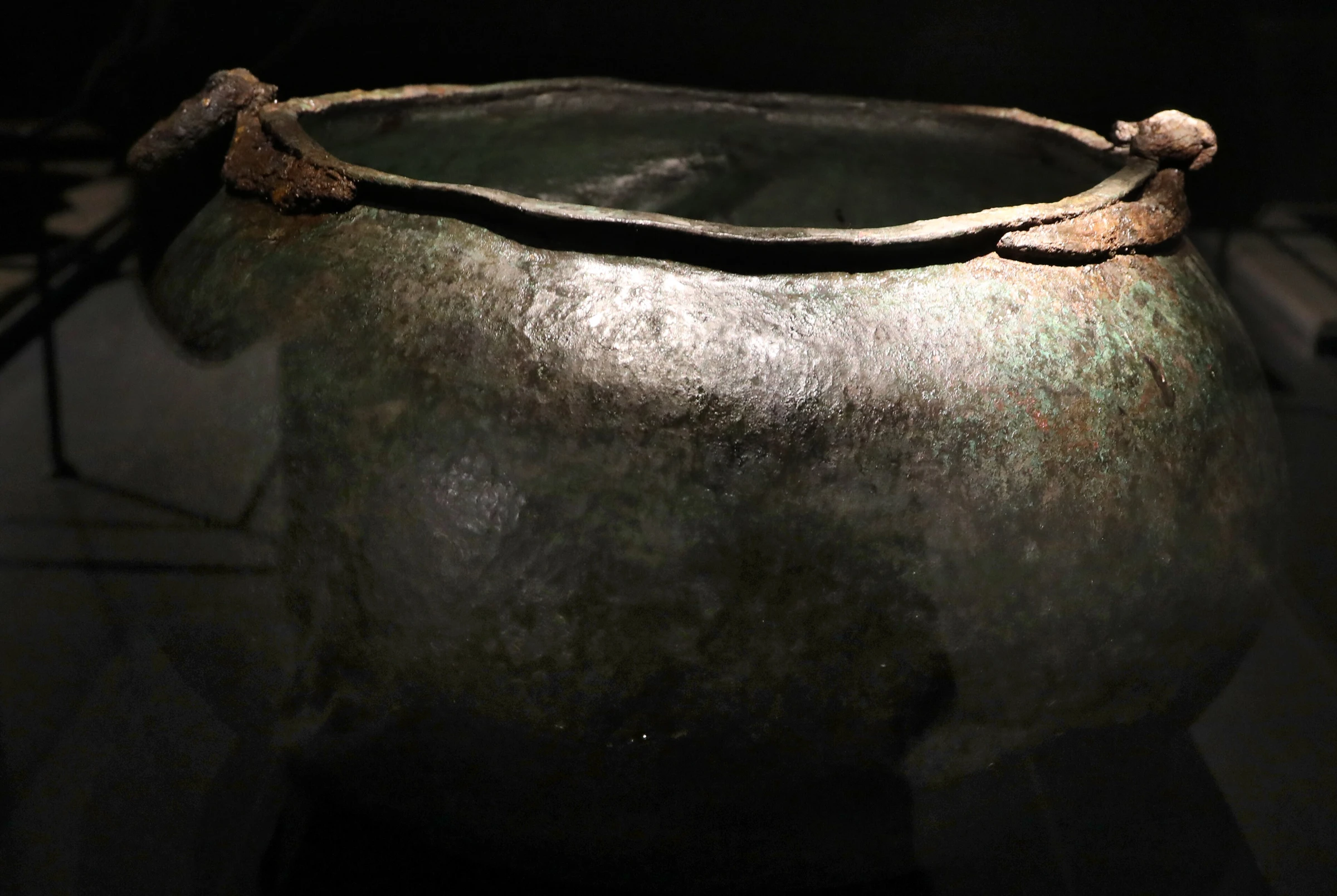
That distinction prevents a discovery from becoming an exaggerated claim about an entire population. Residue analysis identifies traces of ingredients, but does not recover every quantity, cooking time or serving decision. Modern recreations translate archaeological interpretations into edible experiments. They can make the past engaging while remaining different from a preserved ancient recipe.
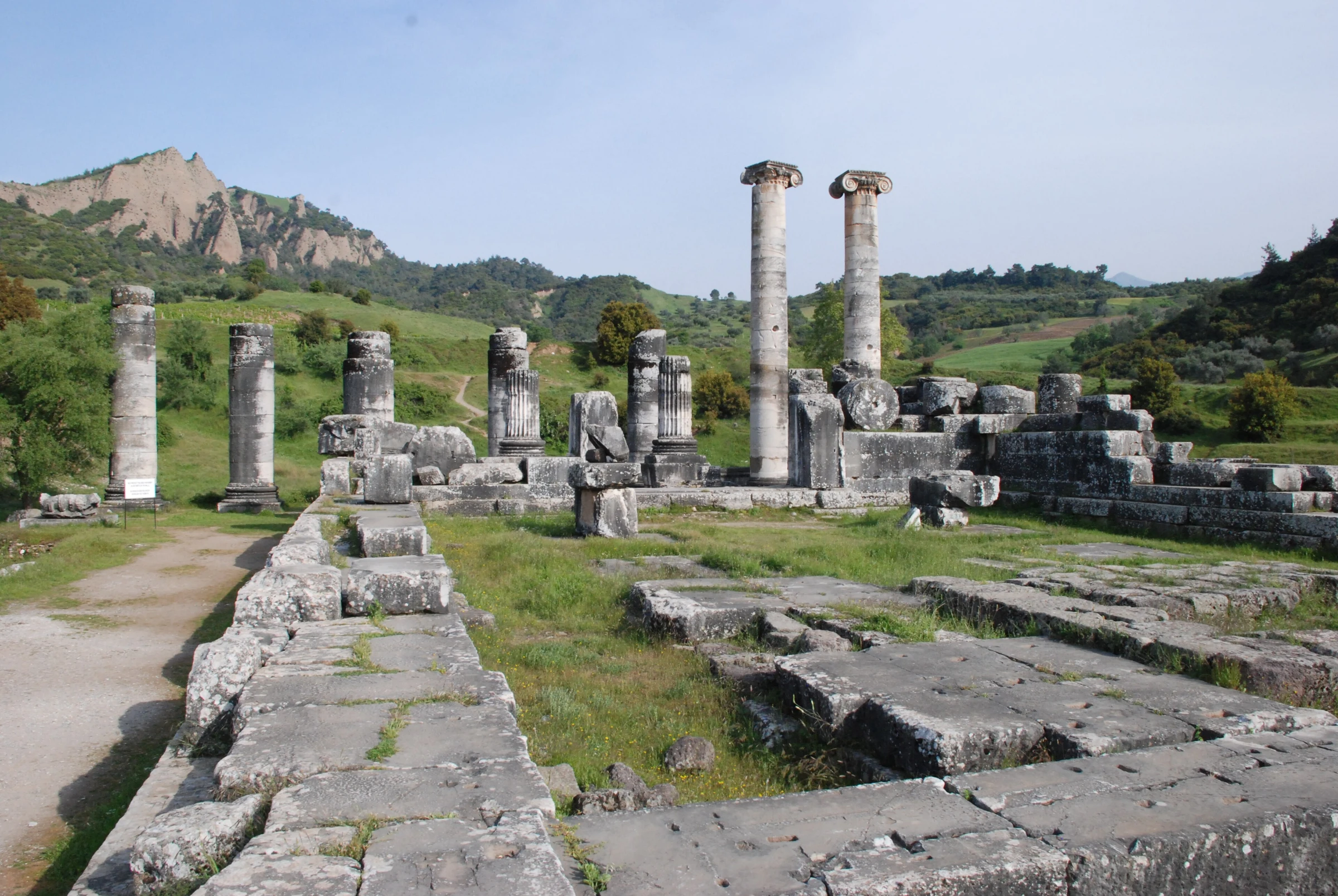
Lydian houses at Sardis offer a domestic perspective. Grinding equipment, cooking pots, stands and coarse ceramic trays illuminate the work preceding a meal. Excavation publications describe barley within a vessel and trays interpreted as equipment for baking bread. Literary references to kandaulos provide another kind of evidence, associating a Lydian dish with meat, cheese and bread. Objects and texts answer related but different questions.
At Urartian Ayanis, researchers examined plant remains rather than a surviving cookbook. The starch structure of processed wheat suggested a preparation resembling bulgur. Resemblance is the crucial qualification: it does not prove that an identifiable modern pilaf already existed with an unchanged recipe. Sometimes archaeology reveals a technique more securely than it reveals a dish name. These five selections reflect that uneven but fascinating record.
At the heart of the table
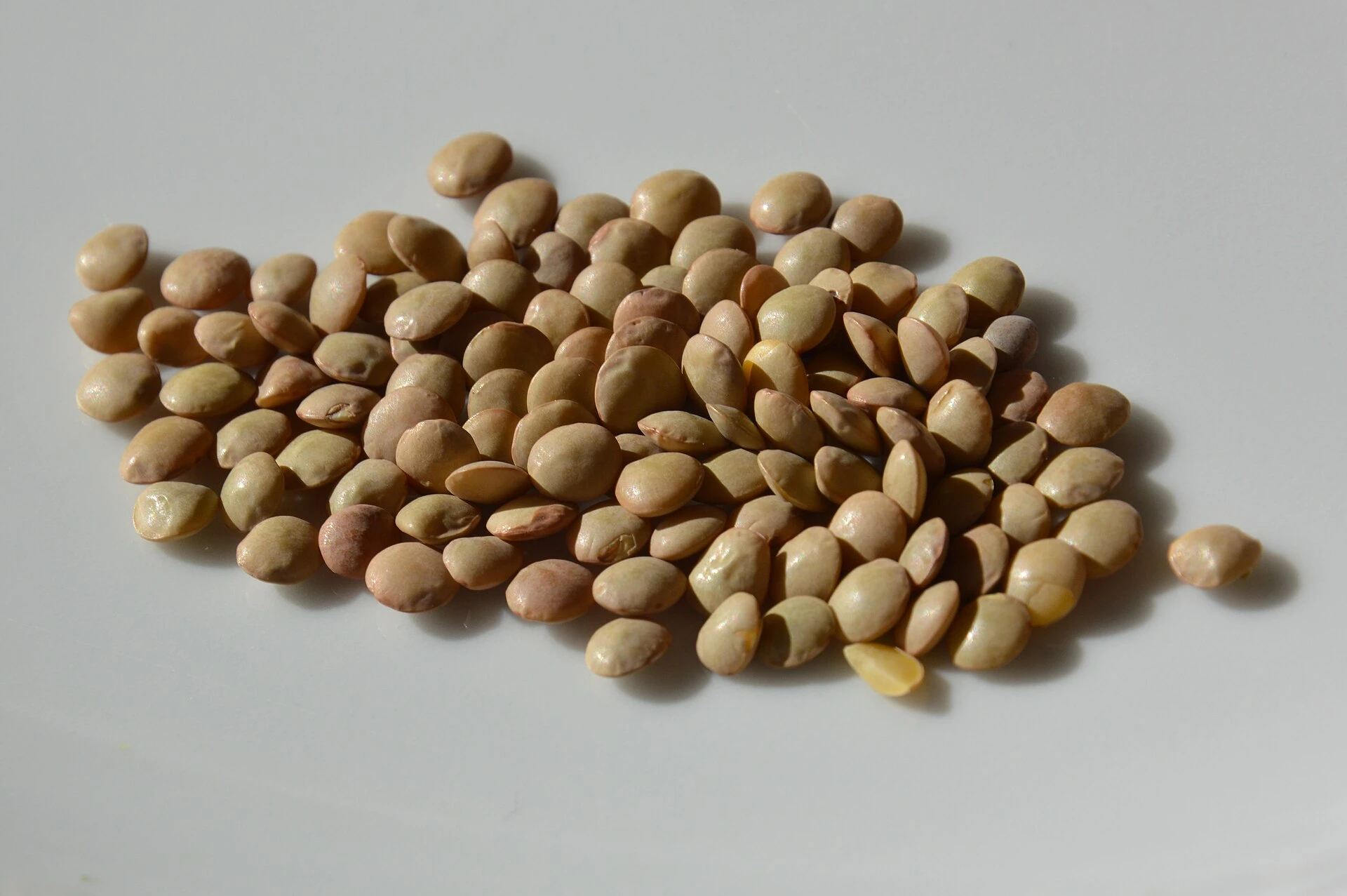
Meat with lentils
Residue interpretation connects this combination with the Gordion funerary feast. Sheep or goat meat and pulses introduce a specific ceremonial meal rather than a universal Phrygian staple.
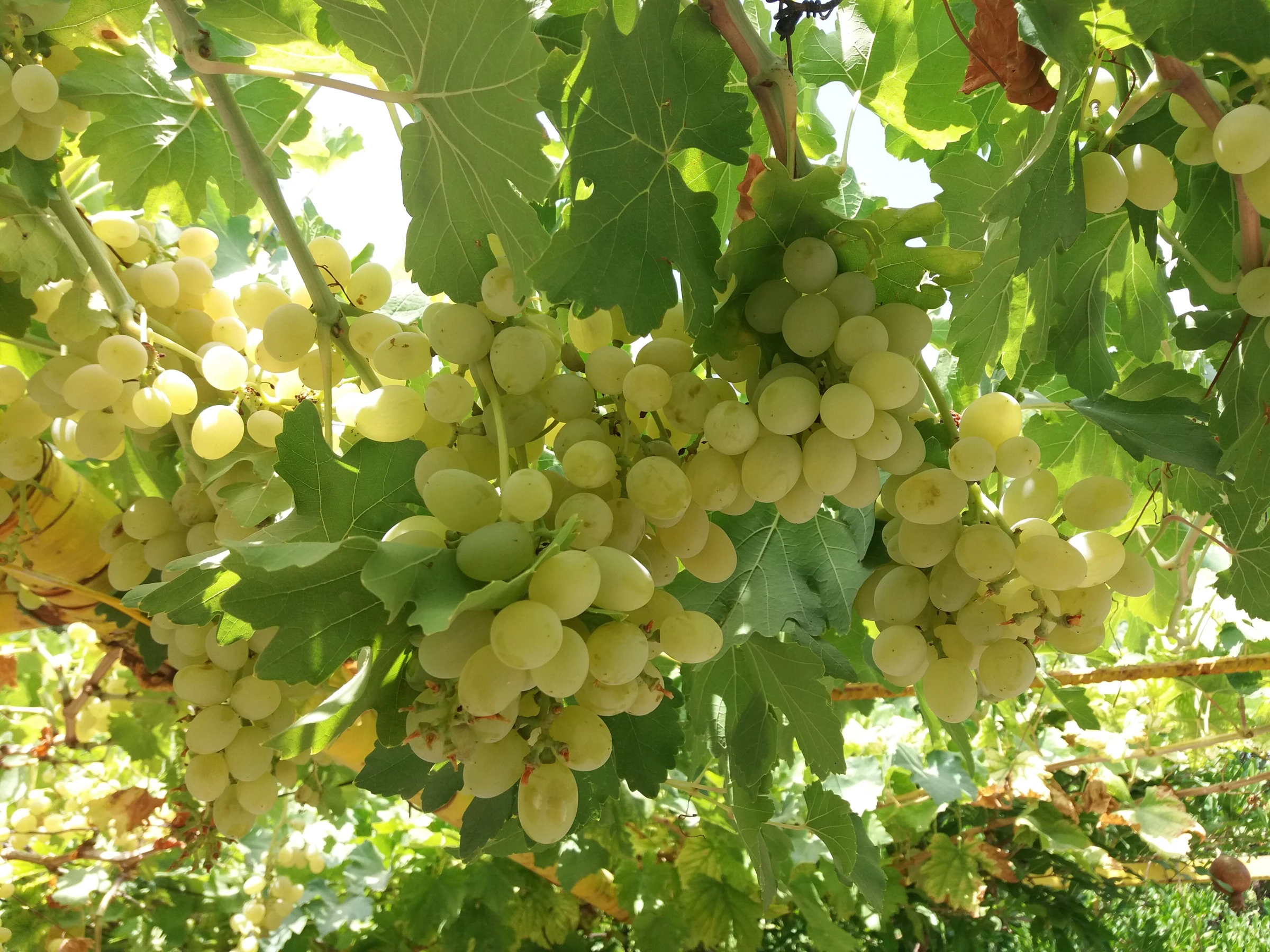
Mixed fermented drink
Gordion vessels yielded evidence interpreted as wine, barley beer and honey fermentation. The combination should not be presented as a cocktail with an established ancient recipe.
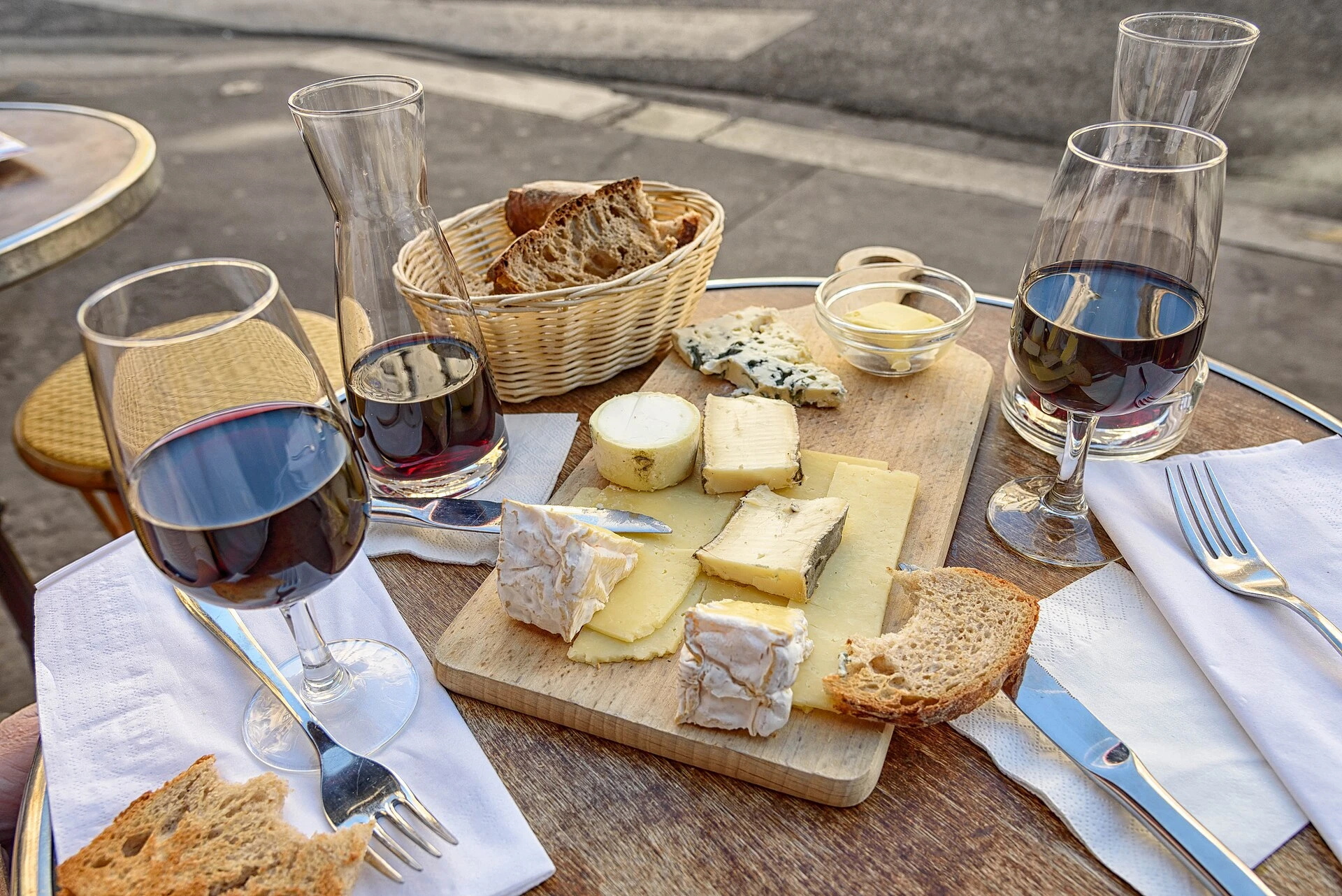
Kandaulos
An ancient dish associated with Lydia through literary testimony. Meat, cheese and bread appear in descriptions, while any reconstruction necessarily involves additional choices by the cook.
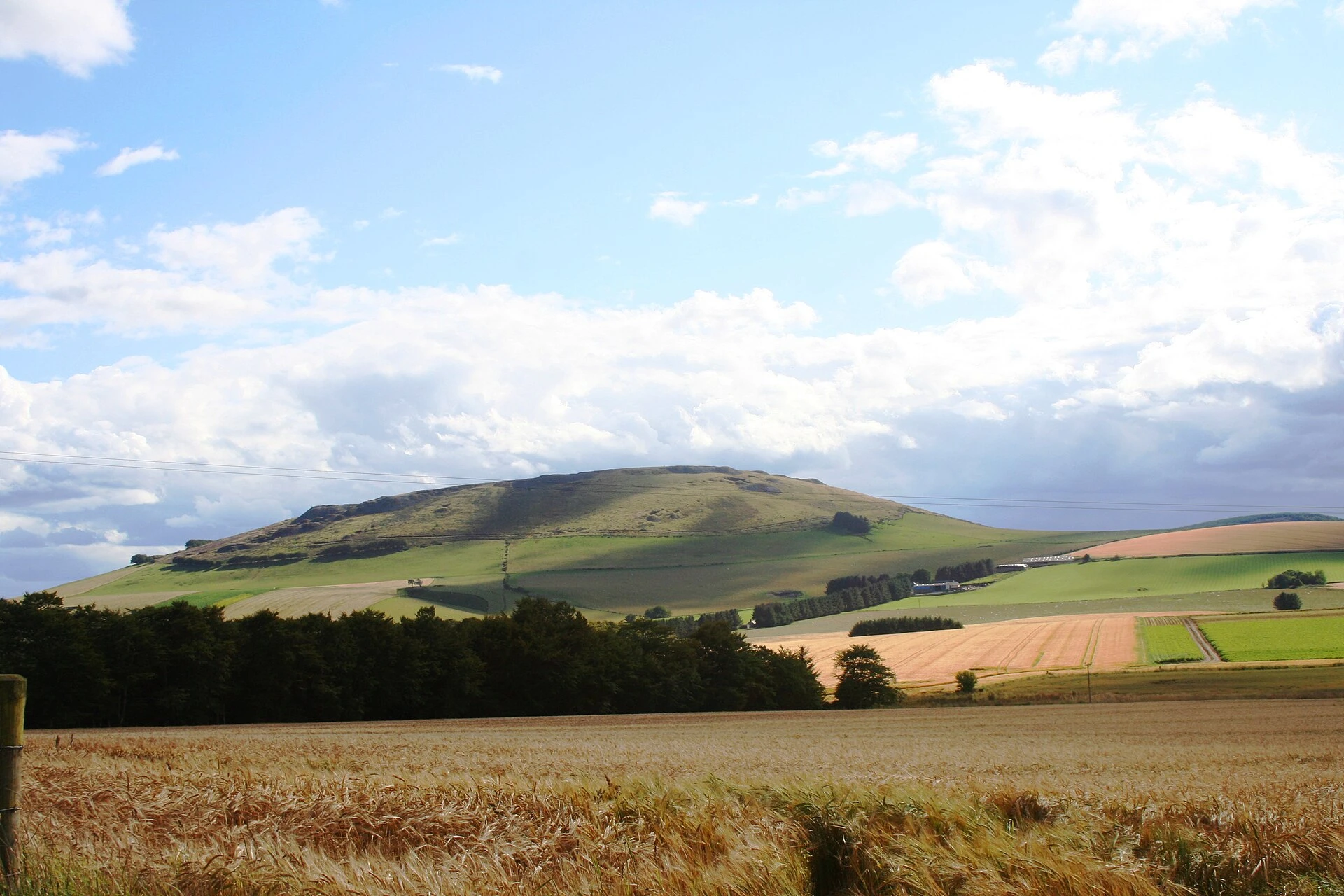
Barley
A basic cereal linked with domestic evidence at Sardis. Grain preserved in household equipment offers a different perspective from literary celebrations of luxury and elaborate feasting.
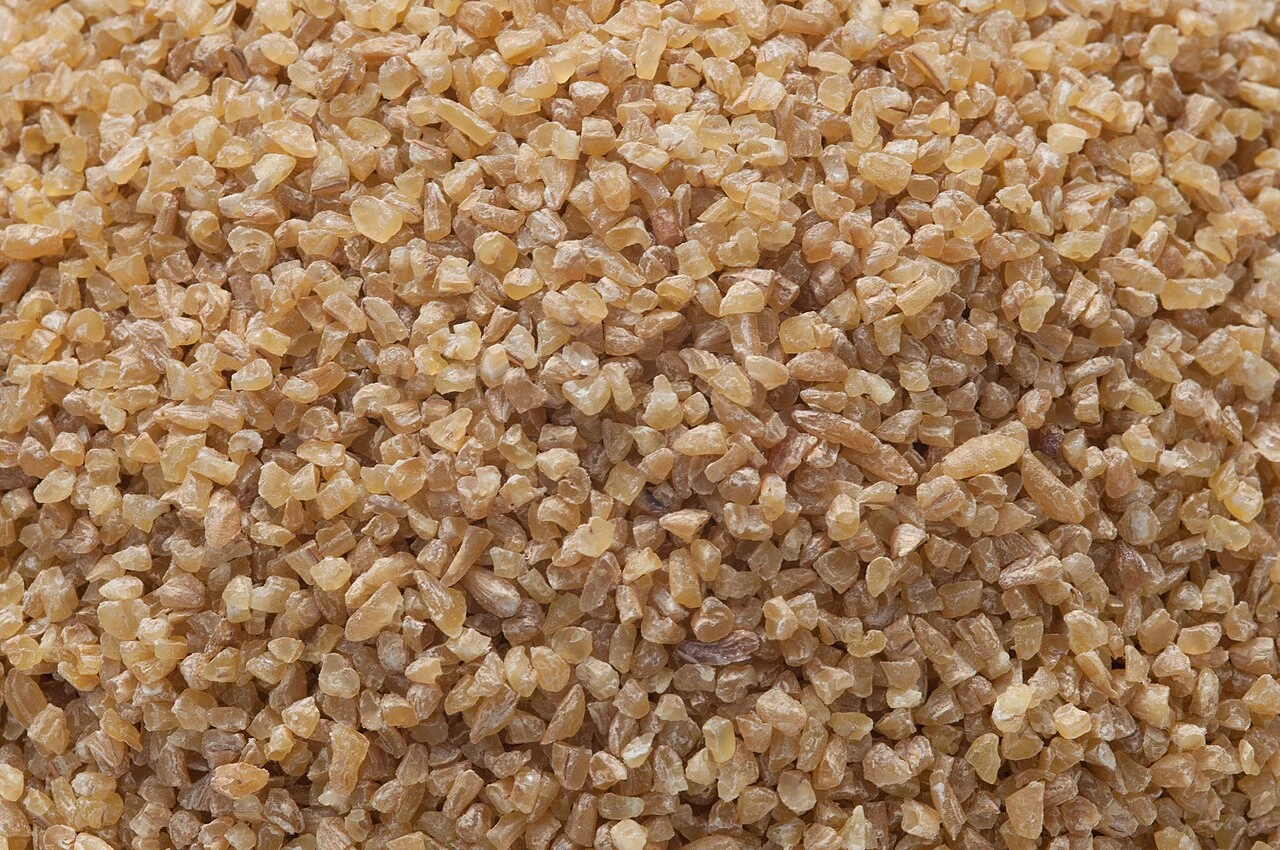
Processed wheat
Remains at Ayanis suggest preparation resembling bulgur. The discovery illuminates grain processing without establishing the complete recipe or seasoning of any particular modern Turkish dish.
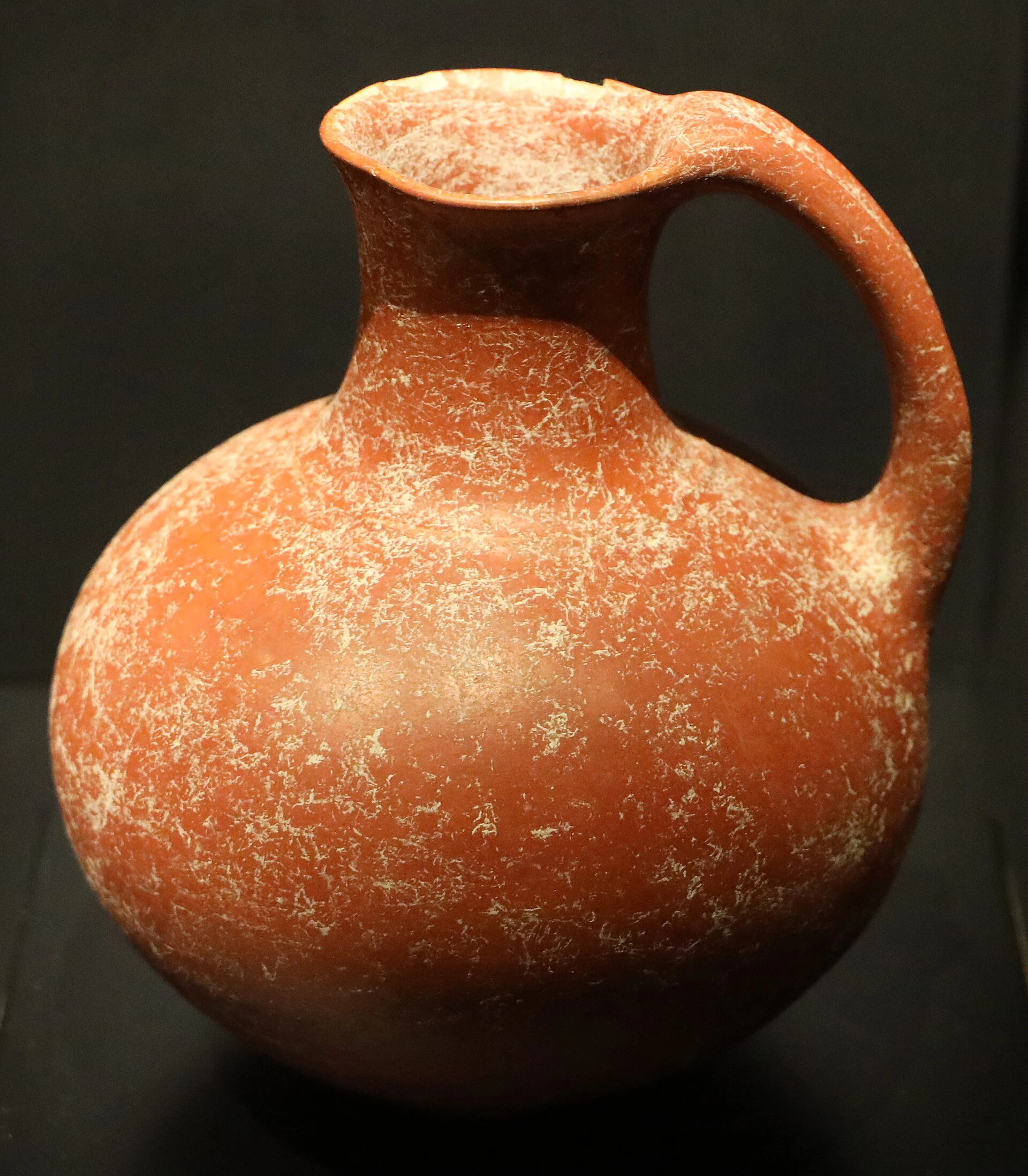
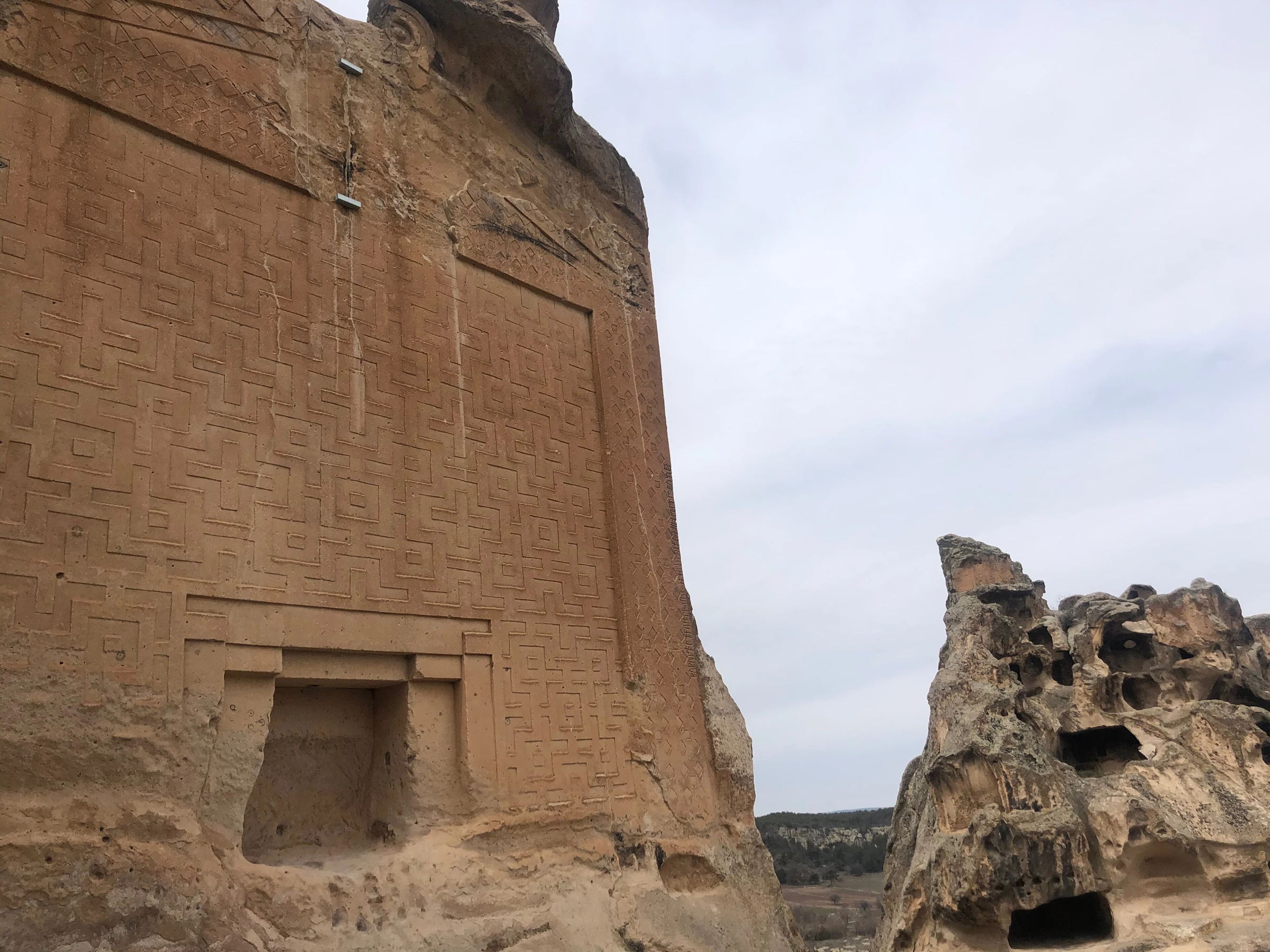
These tables encourage a more attentive encounter with Anatolian food. A contemporary lentil preparation or lamb dish may invite comparison, but shared ingredients are not proof of uninterrupted transmission. The stronger lesson concerns adaptation: different communities transformed available crops into distinctive ways of cooking, storing and sharing. Museum vessels become especially revealing when viewed as working objects within those relationships.