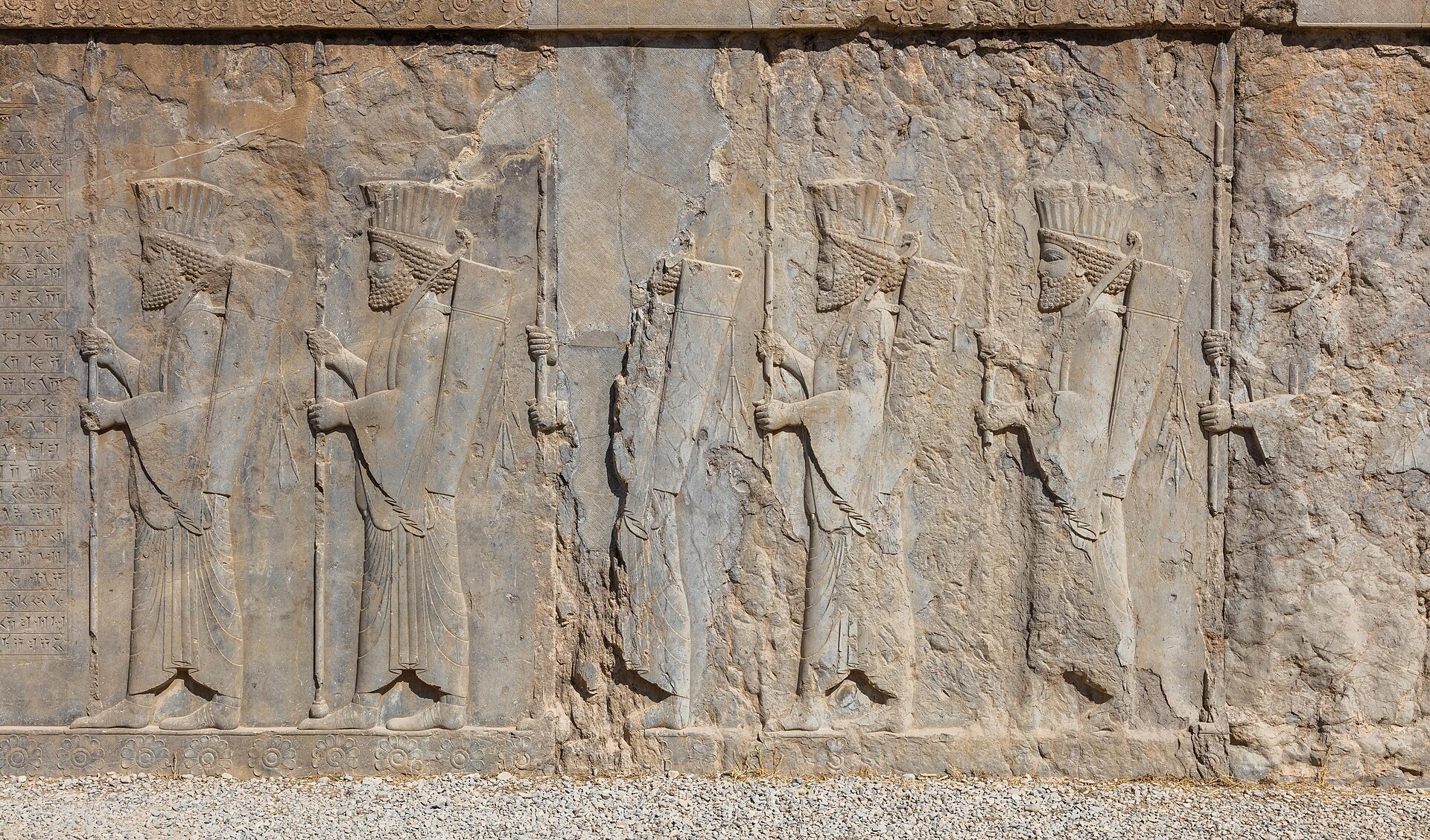
Assyrian, Babylonian and Persian food should not be combined into one imperial menu. These names encompass different periods, centres and political traditions. Considering them together is useful for exploring connections across Mesopotamia, Iran and Anatolia. Grain, meat and fermented drinks provide recurring themes, while surviving evidence varies greatly in what it can tell us about cooking and consumption.
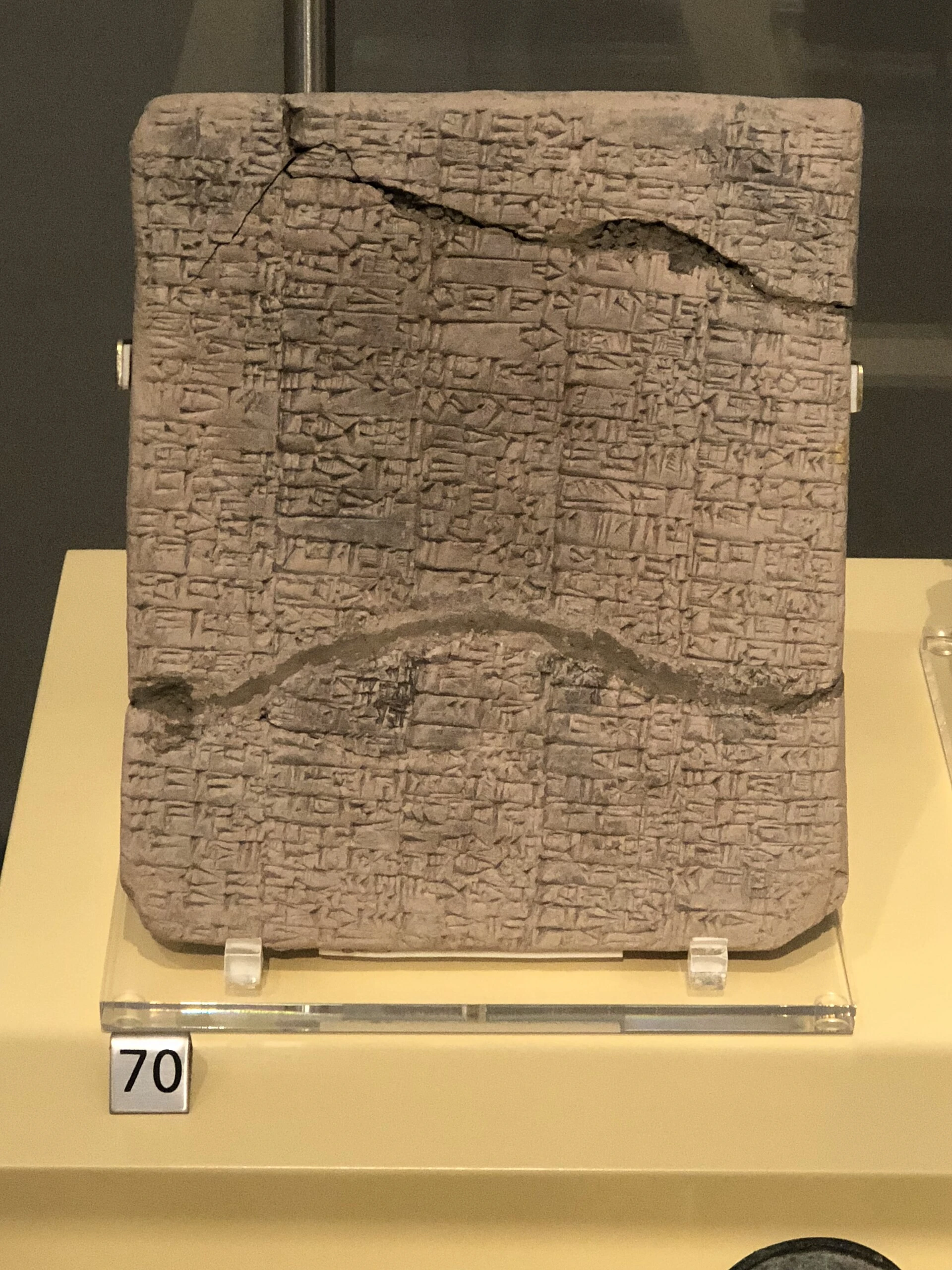
The culinary tablets at Yale offer a window into Babylonian preparation. Old Babylonian examples record meat and vegetable stews, but their instructions differ from those in a contemporary cookbook. Quantities and timings remain unclear, and some ingredient names remain uncertain. Cooking from these texts therefore requires interpretation in addition to translation. A convincing reconstruction is not the same as a recovered recipe.
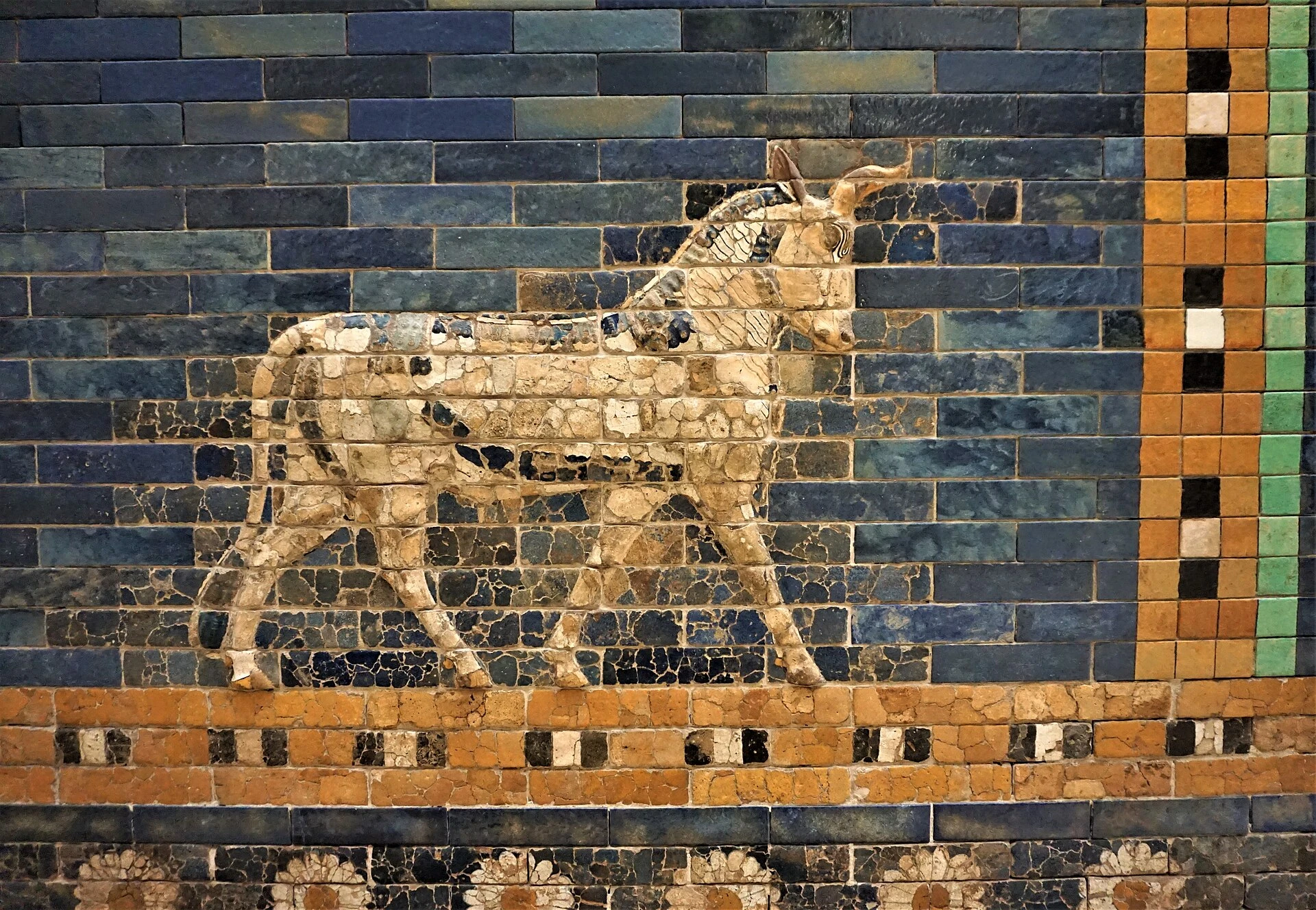
Experiments involving Yale and Harvard researchers have explored combinations including lamb and beet, alongside other preparations involving grain. Their interest extends beyond recovering unfamiliar flavours. They show how scholars and cooks negotiate gaps in the written record, testing possibilities without pretending that every decision came directly from antiquity. Such work makes scholarly uncertainty genuinely productive.
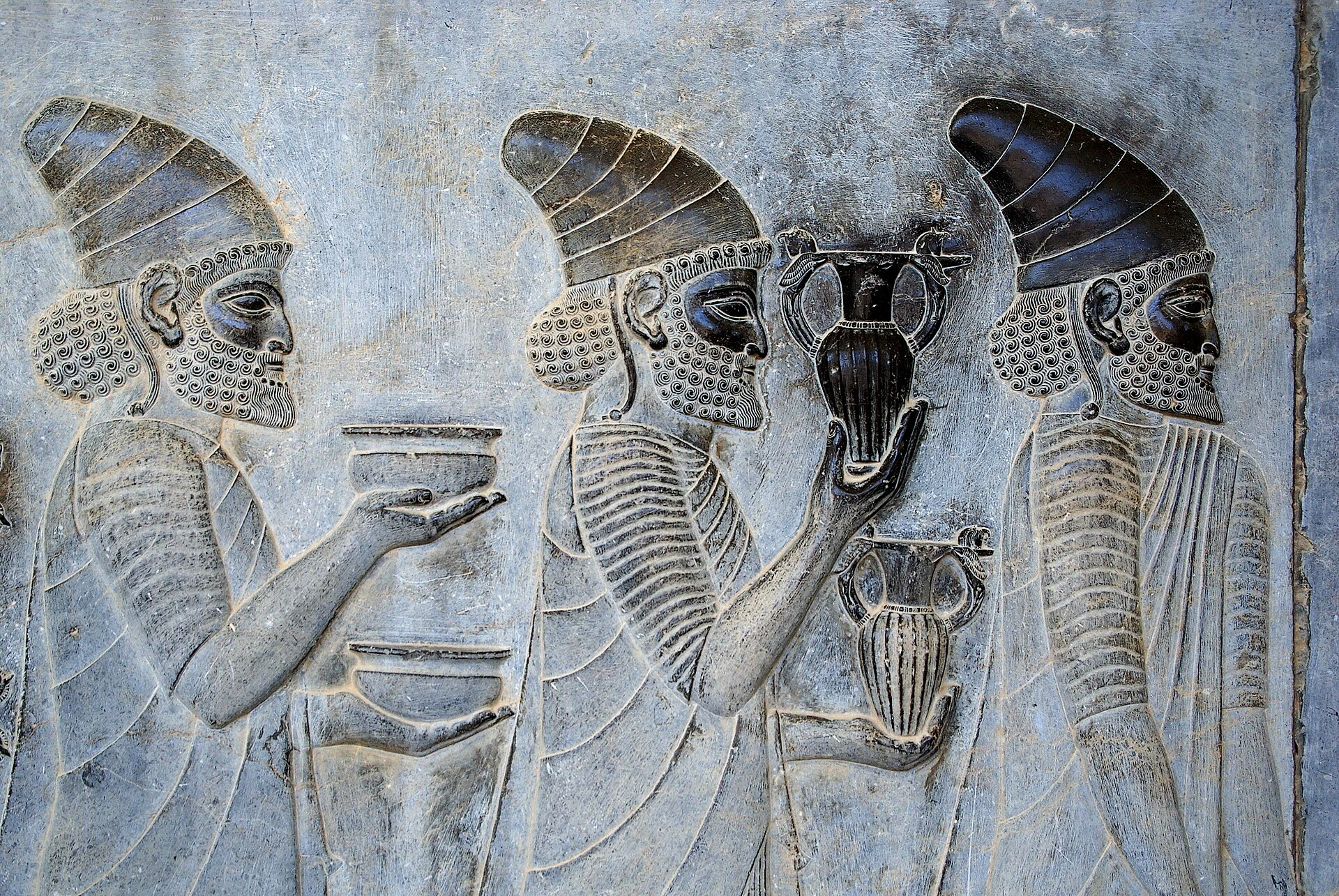
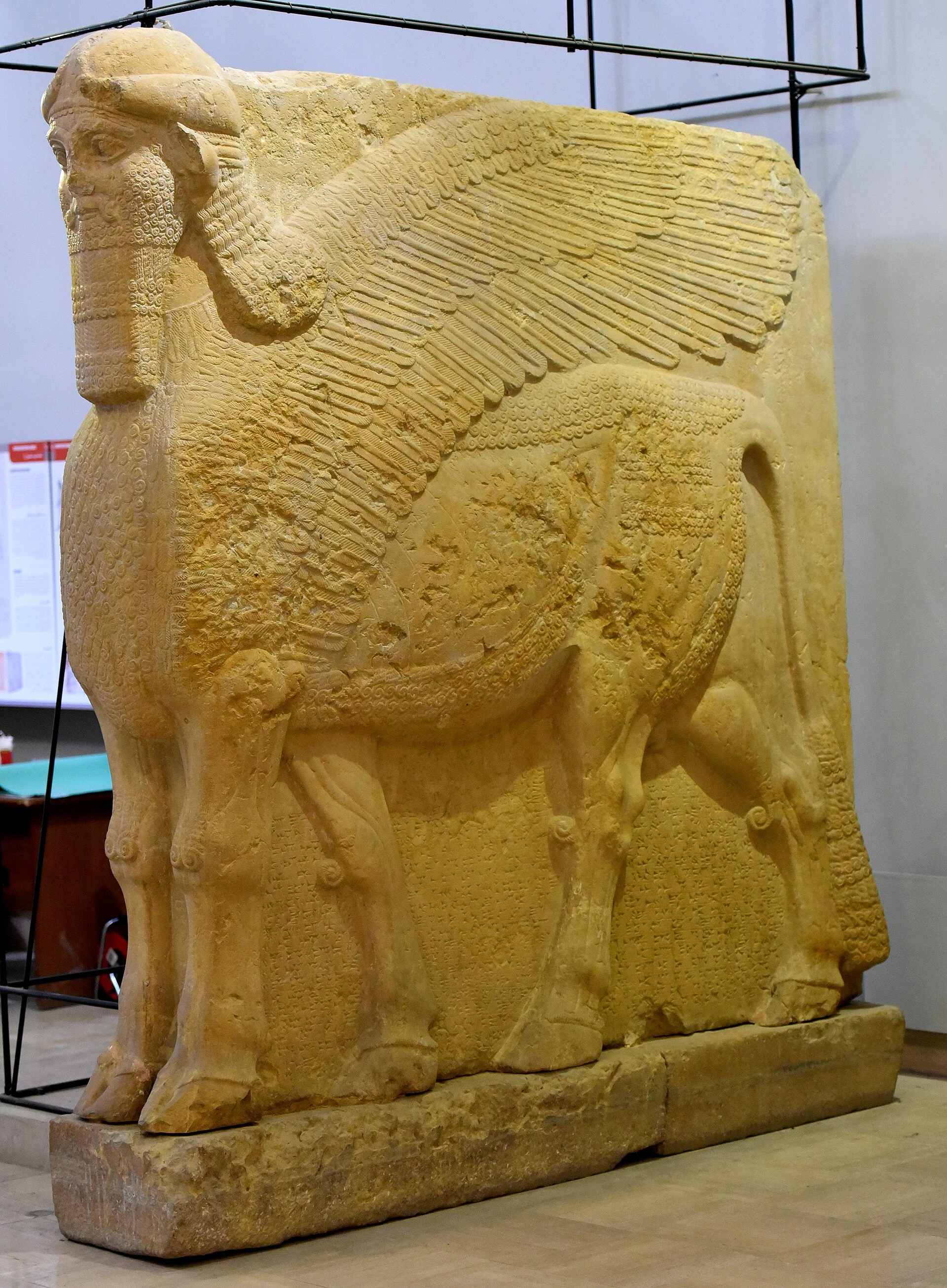
Assyrian evidence introduces different perspectives. A British Museum tablet lists offerings of wine and beer, while palace reliefs portray feasting, attendants and entertainment. These objects help explain the relationship between food, ritual and power. They cannot simply be treated as photographs of ordinary daily consumption. Who commissioned an image, and what it sought to communicate, remain questions.
For the Persian world, records from Persepolis illuminate the distribution of provisions. They are administrative documents rather than a collection of palace recipes. Encyclopaedia Iranica emphasises that knowledge of ancient Iranian cooking techniques remains fragmentary. Recognising this limit prevents modern rice dishes or kebabs from being casually labelled unchanged Achaemenid creations. The five selections below focus instead on foods and preparations supported by the surviving record.
At the heart of the table
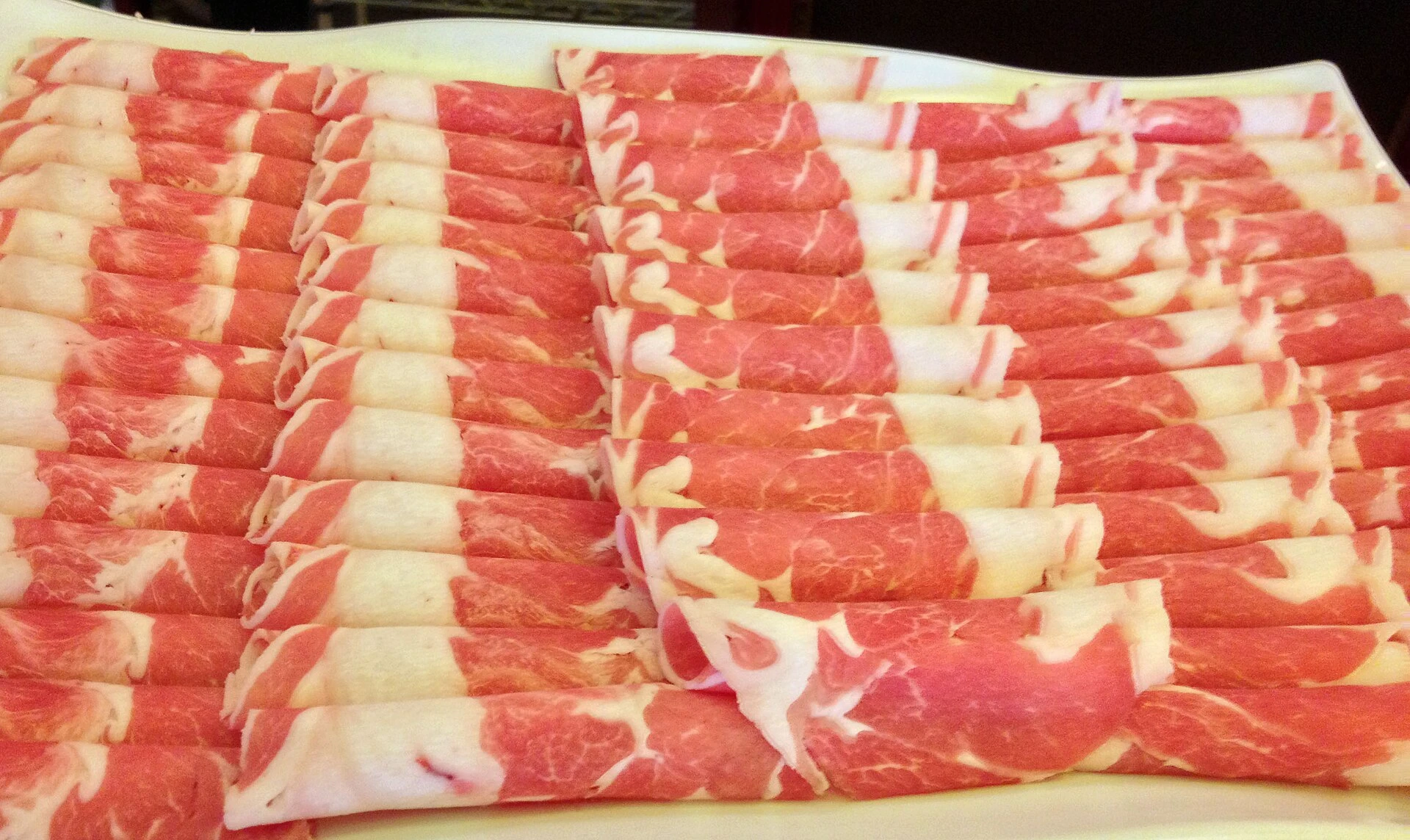
Babylonian lamb stew
A preparation associated with the Old Babylonian culinary tablets. Contemporary experiments necessarily supply practical decisions where ancient instructions leave quantities, timings or ingredient identification unresolved.
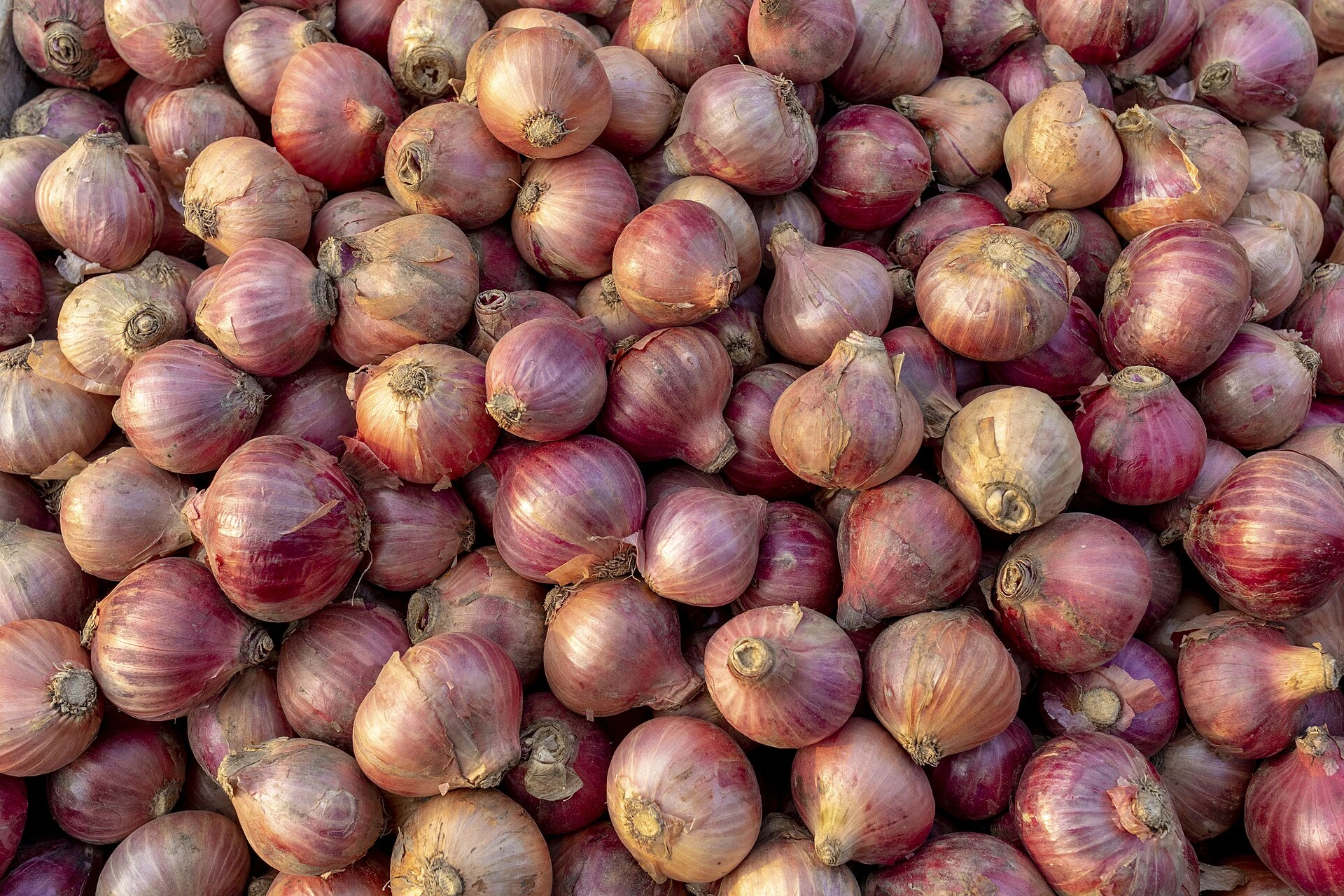
Vegetable stew
Meatless preparations also appear among the Yale recipes. Their presence reminds us that ancient cooking cannot be represented solely through spectacular royal meat banquets or extravagant literary descriptions.
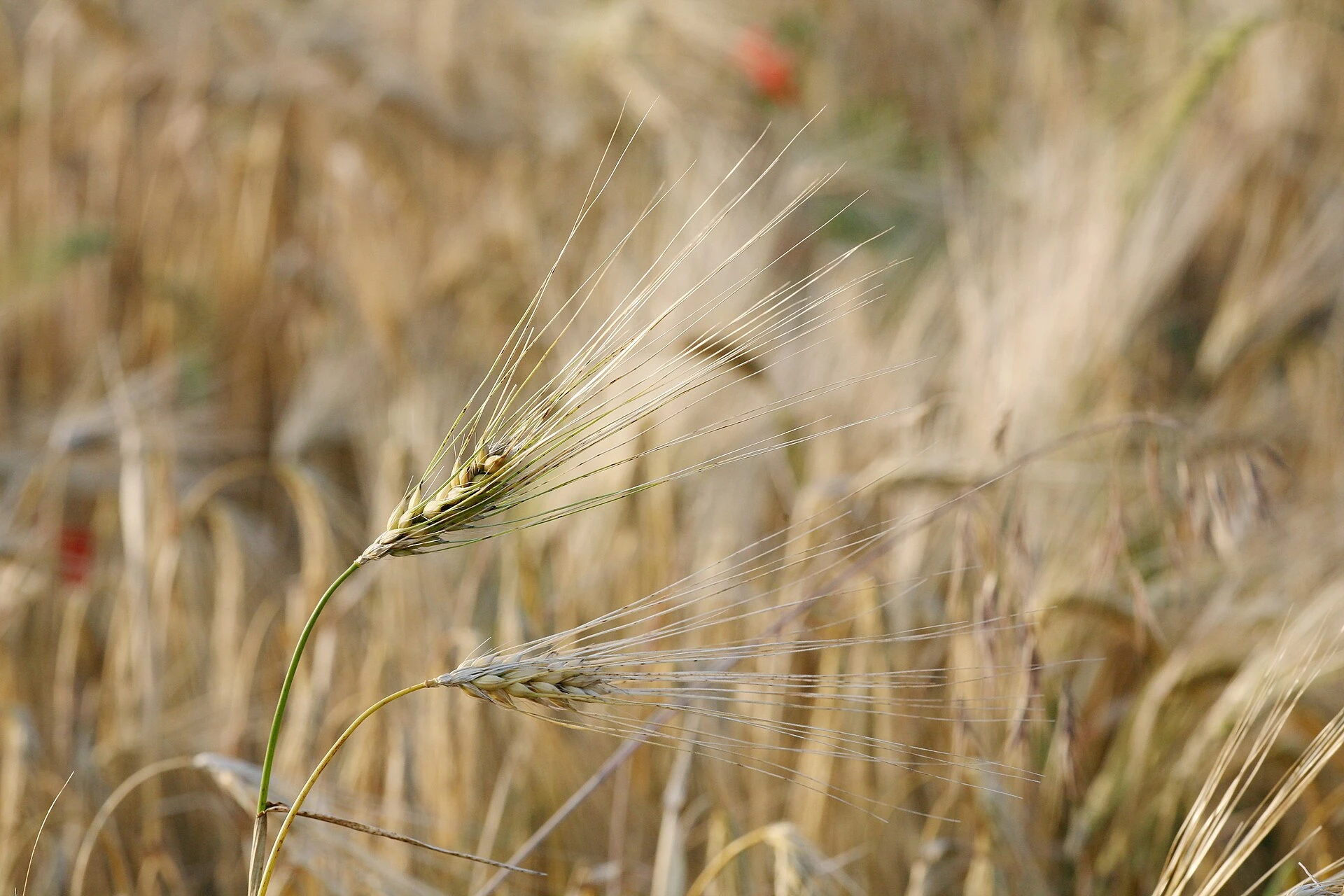
Barley
A cereal prominent in Mesopotamian and Persepolis documentation. Studying its distribution reveals relationships between production, labour and administration that a list of prestigious dishes might obscure.

Beer
A fermented beverage recorded in Assyrian offerings. Evidence of ceremonial use should not be stretched into a claim that every social group consumed the same drink in identical circumstances.
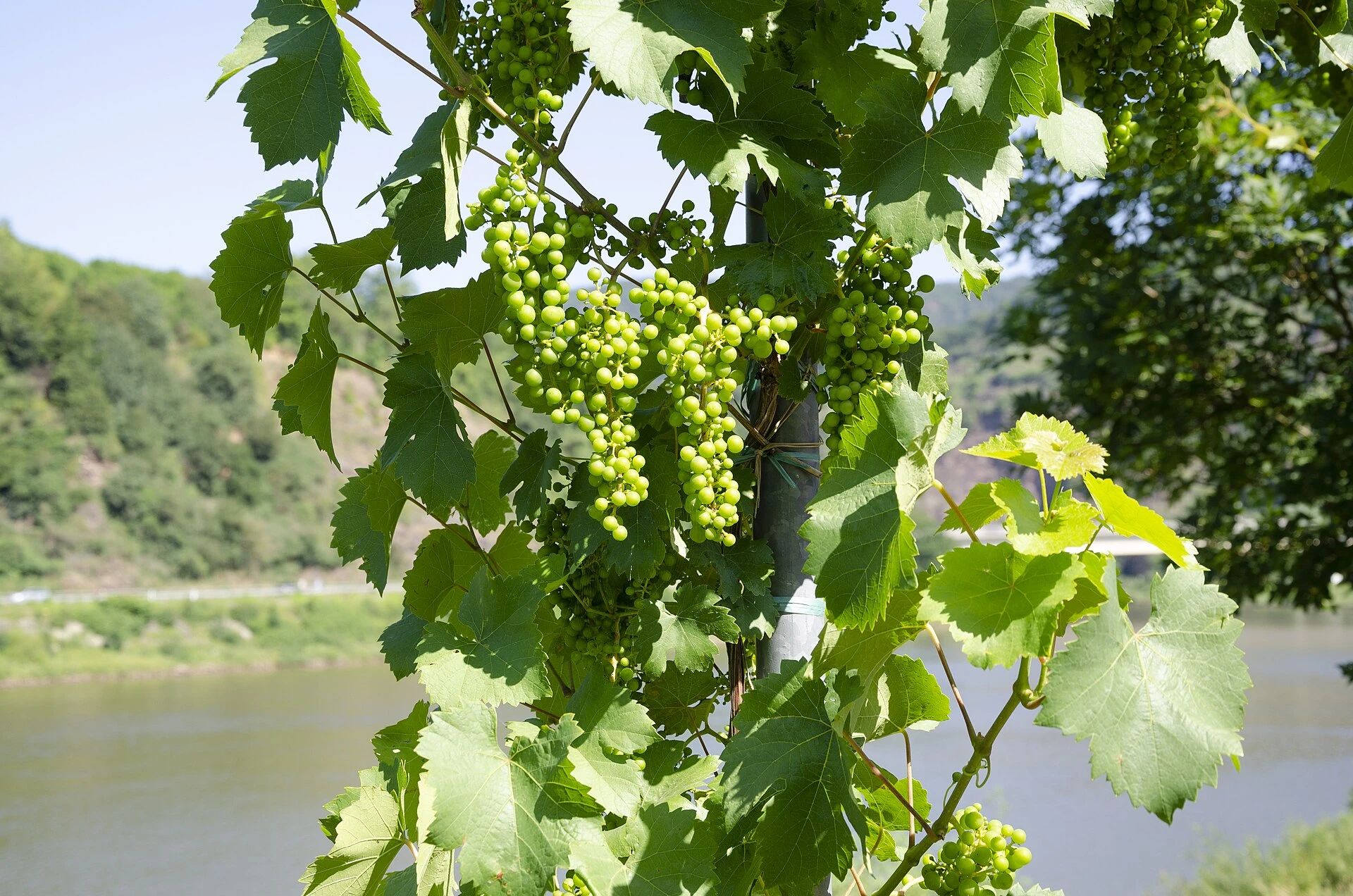
Wine
Documented across Assyrian and Persian contexts, but not within a single unchanging tradition. Different records describe different institutions, and their distinct settings deserve to remain visible.
A casserole or grain dish in Cappadocia can encourage reflection on these connected landscapes without needing an invented ancient pedigree. The most compelling comparisons ask how familiar materials acquired different meanings in different societies. Reading a ration list beside a recipe or a royal image reveals those contrasts. Food history becomes richer when resemblance opens questions instead of closing them.