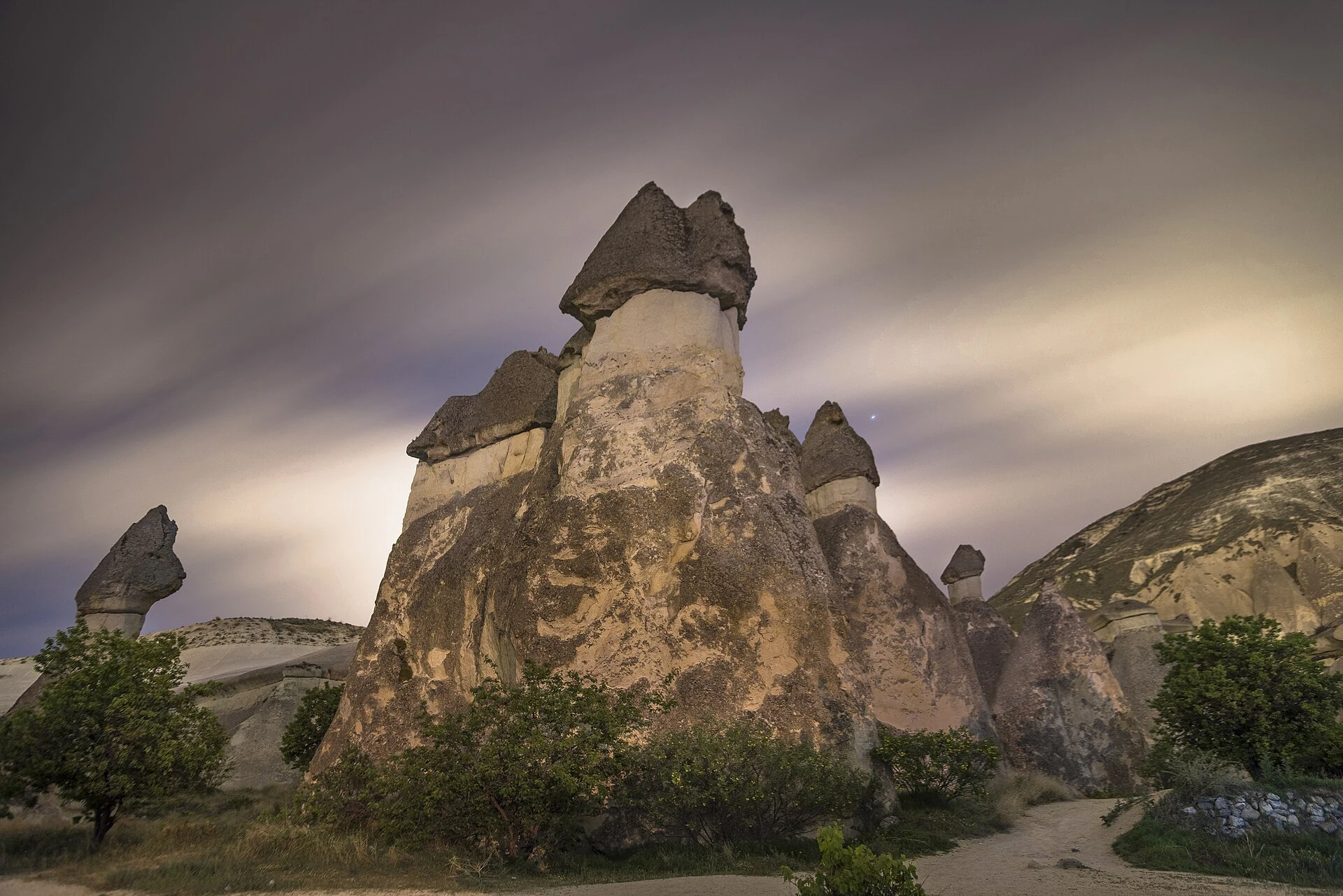
Anatolian cooking cannot be reduced to one menu. Coastal olive groves, upland dairies, inland grain fields and southeastern kitchens describe different environments and livelihoods. A dish carrying the same name may change its herbs, fat or cooking method between neighbouring towns. Such variation makes cuisine a living record of encounters rather than a fixed identity.
Turkish, Kurdish, Armenian, Greek, Syriac and other communities belong within this culinary geography. Migration, markets, trade and everyday neighbourliness helped techniques and ingredients circulate. Similarity, however, does not establish a single origin. Closely related dishes can retain distinct names, religious calendars and family memories. Recognising shared practices should therefore make individual traditions more visible, rather than flattening them into an anonymous regional inheritance.
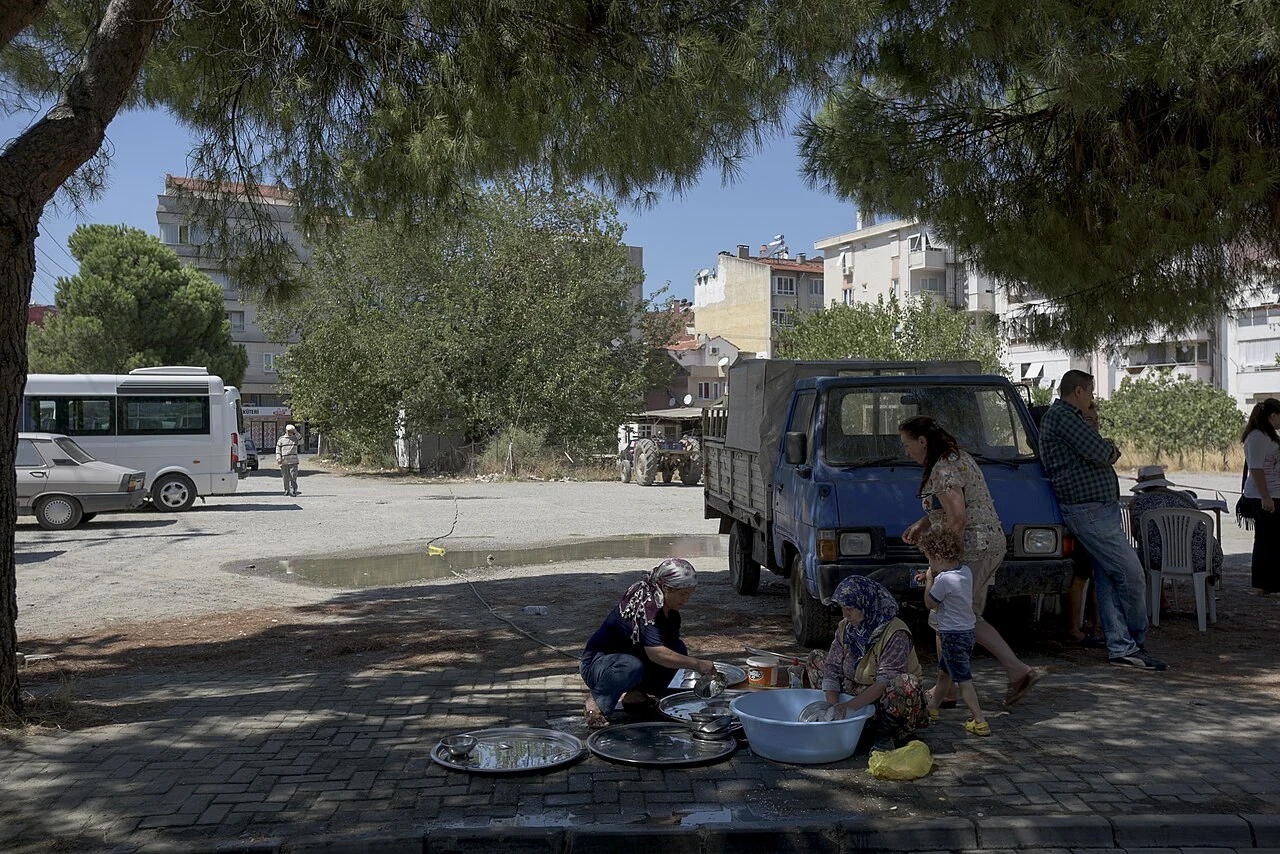
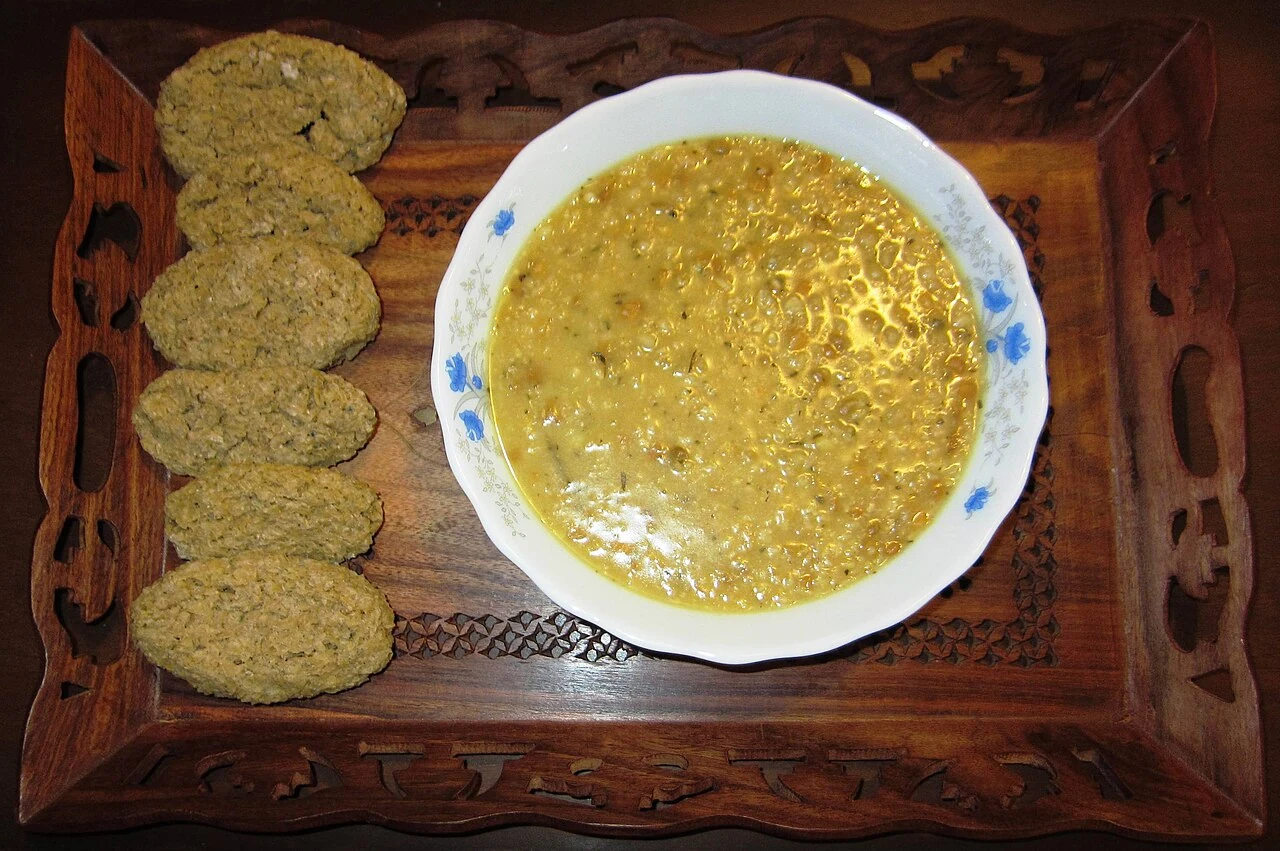
Seasonal preservation gives many kitchens their rhythm. Vegetables dried during summer, stored grain, cultured dairy products and dried fruit return to the table during colder months. These practices preserve flavour as well as food. The fragrance of dried peppers or the acidity of homemade tarhana can distinguish one household from another. Recipes passed between generations remain flexible, responding to available produce, changing work patterns and personal taste.
Houshamadyan documents Armenian food memories from Van, including breads, harisa and festive dishes. Syriac heritage guides describe foods associated with Mardin, including sembusek and stuffed bulgur preparations. Such records invite us to look beyond menu names. Collective baking, fasting periods, holiday cooking and hospitality all help explain what a dish means. A shared pot may tell us as much about social relationships as its ingredients reveal about agriculture.
At the heart of the table
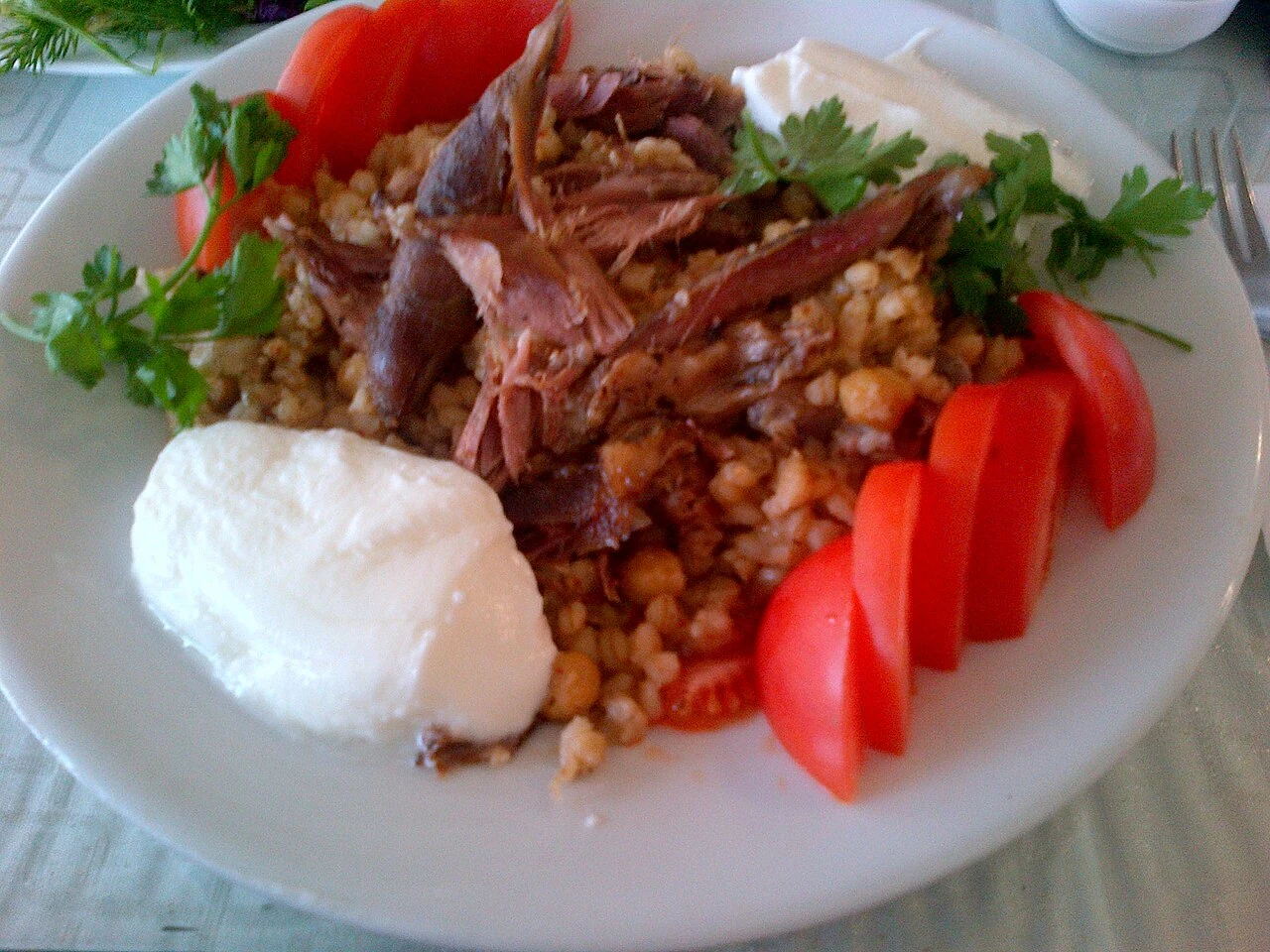
Keşkek
Wheat and meat are cooked together until they form a cohesive ceremonial dish. UNESCO recognises the associated preparation and sharing tradition. Collective work around the pot matters alongside flavour, while texture and serving customs can differ between communities.
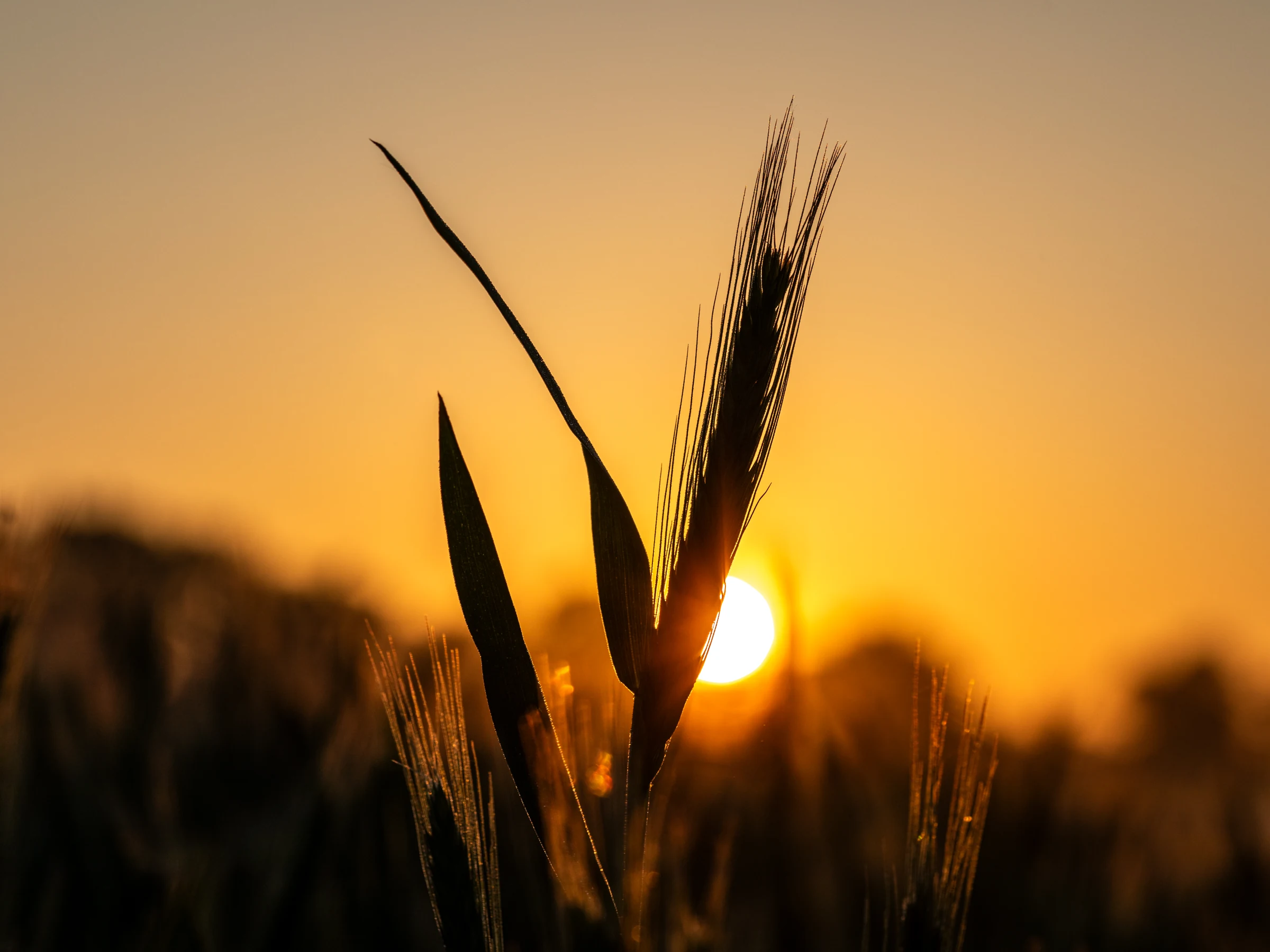
Harisa
This Armenian wheat and meat preparation is associated with festive meals. Accounts from Van describe sheep or rooster cooked with hulled wheat. Its resemblance to keşkek does not erase the particular celebrations and household memories surrounding each tradition.
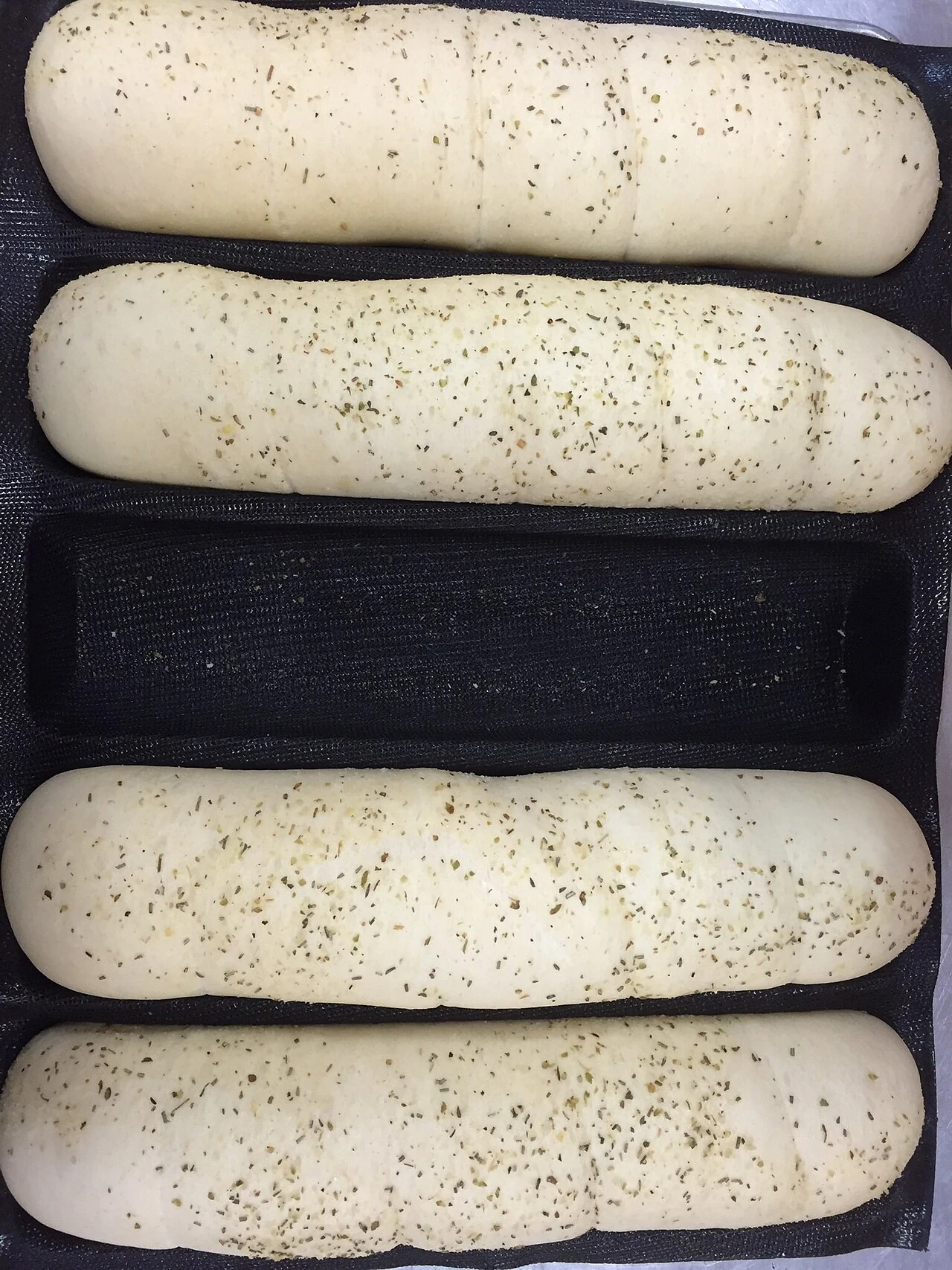
Sembusek
A folded savoury pastry associated with Mardin, sembusek also appears in Syriac heritage accounts. Filling and shaping practices vary. Its presence across local tables offers a useful way to discuss neighbourhood exchange without assigning every version an identical history.
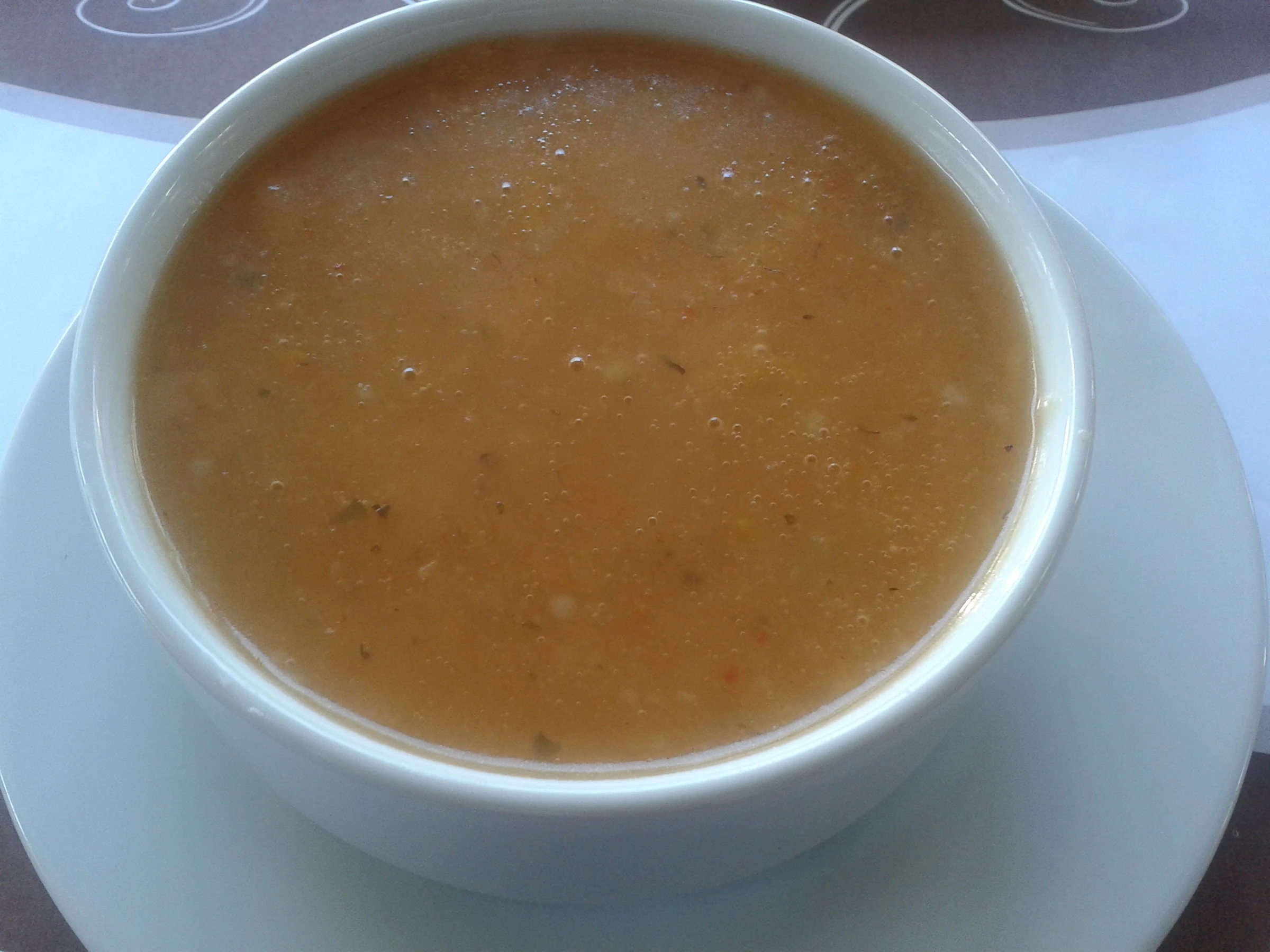
Tarhana
This family of preserved soup ingredients combines grain with fermented dairy in varied forms. There is no single universal recipe. Acidity, herbs and particle size help define household versions, which are dried and later cooked into warming soups.
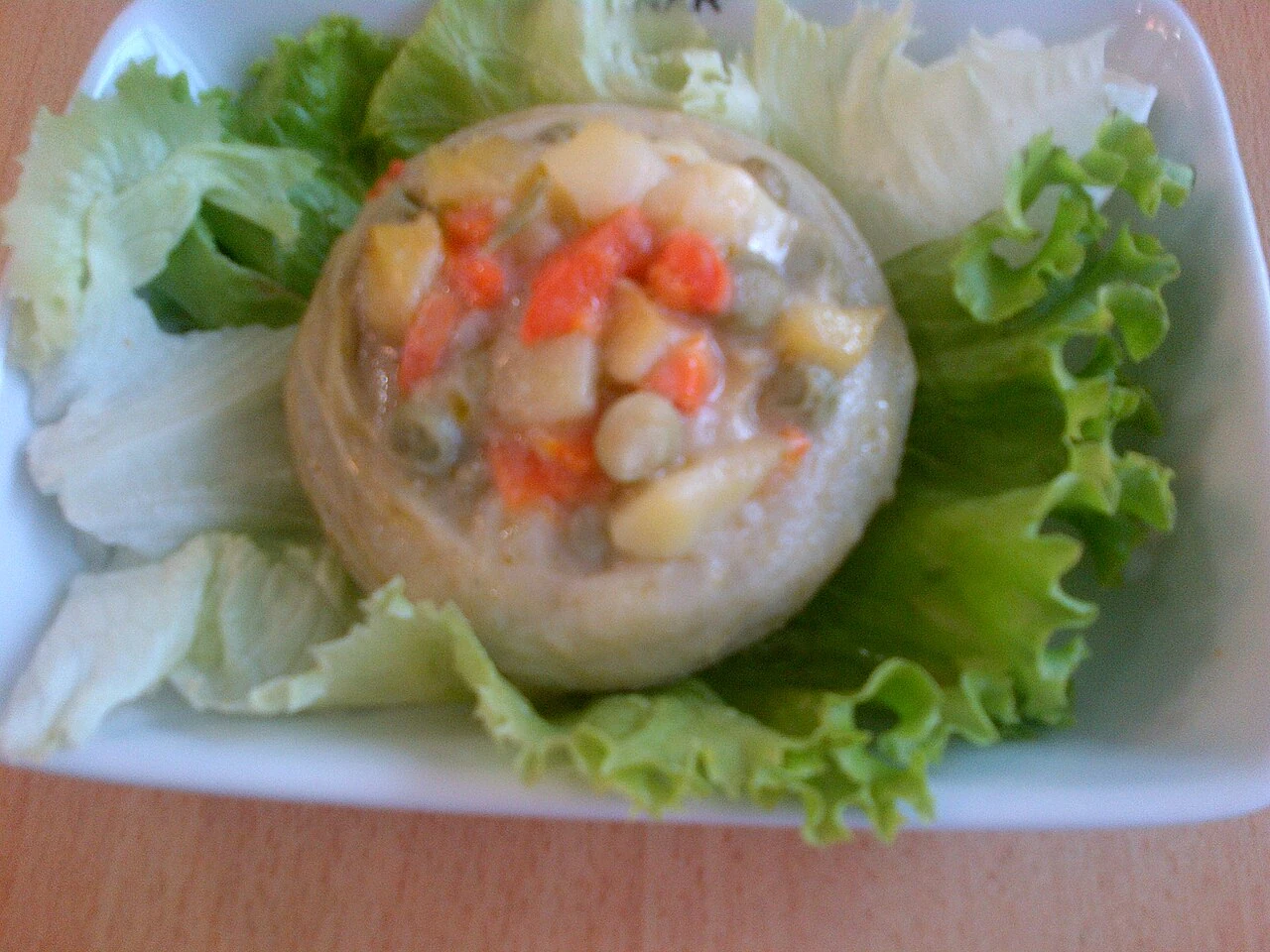
Vegetables in olive oil
Seasonal vegetables prepared with olive oil are important in western Anatolian cooking. This is a broad culinary family, not one dish. Artichokes, courgettes and green beans illustrate how availability and local preferences shape the table throughout the year.
When exploring Anatolian food in Cappadocia, ask about the grain, yogurt, herbs and cooking vessel alongside the dish name. A cook explaining a family adaptation can reveal how tradition continues to change. Simple bread, soup and cheese may offer an unusually rich introduction to this shared, diverse landscape.